
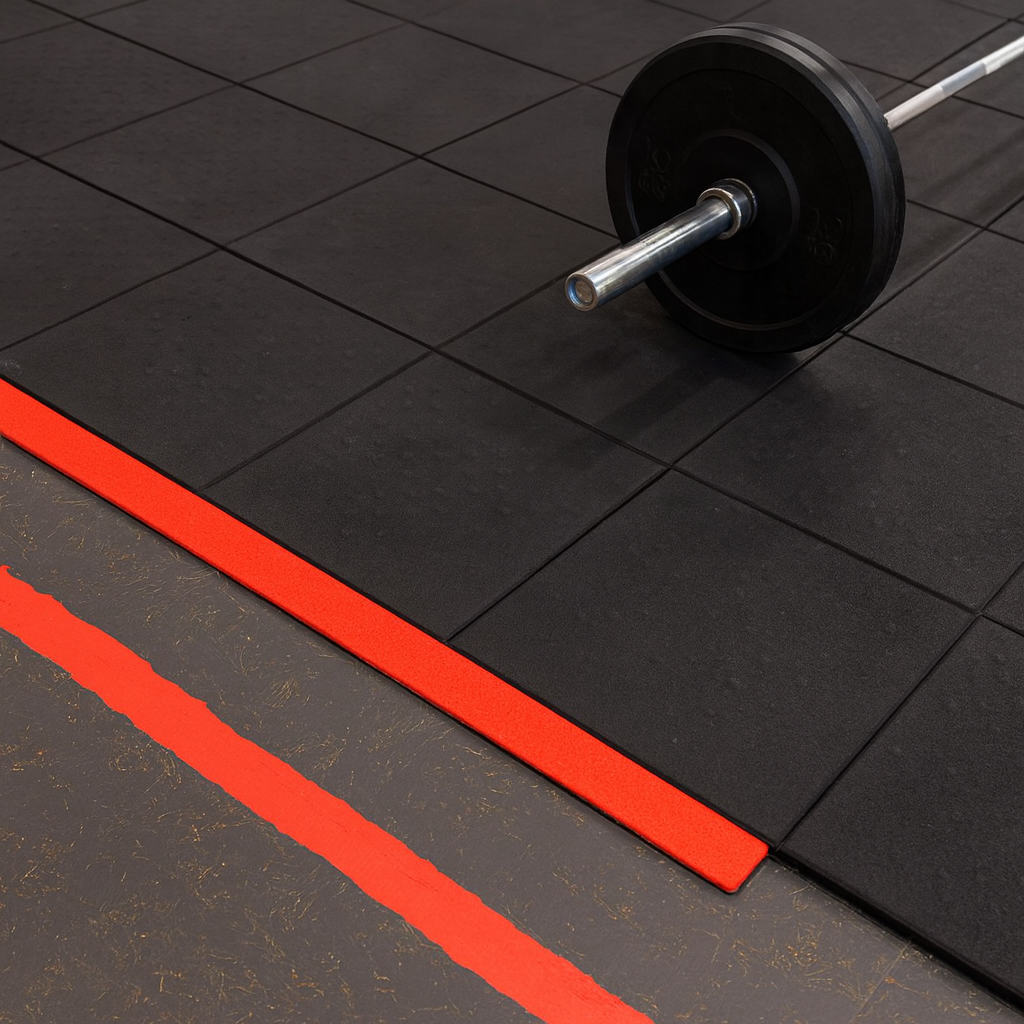
Heavy-Duty Gym Floor Tiles UK 2026: Expert Installation & Buying Guide
Heavy-duty gym floor tiles UK installations have become the gold standard for fitness facilities across England, Scotland, Wales, and Northern Ireland in 2026. Whether you're outfitting a commercial gym in Manchester, converting a garage in Edinburgh, or upgrading a CrossFit box in Cardiff, selecting the right professional gym flooring determines the safety, longevity, and performance of your training environment. This comprehensive guide draws on over a decade of UK facility installations to provide evidence-based recommendations for choosing, installing, and maintaining premium rubber gym tiles that protect your investment and enhance athletic performance. From shock absorption specifications to lifecycle cost analysis, we'll cover everything facilities managers and gym owners need to make informed flooring decisions in 2026.

Why Heavy-Duty Gym Floor Tiles Matter for UK Facilities in 2026
The flooring beneath your feet represents far more than an aesthetic choice—it's a critical safety system, equipment protector, and long-term investment that impacts every aspect of your facility's operation. In 2026, UK gym owners face increasing insurance requirements, stricter noise regulations in multi-occupancy buildings, and heightened member expectations for professional-grade environments. Heavy-duty interlocking gym floor tiles address all these challenges simultaneously whilst delivering measurable performance benefits.
Premium rubber gym tiles reduce injury risk through superior shock absorption that cushions joints during high-impact movements. They protect expensive equipment from vibration damage that can affect calibration and longevity. The acoustic insulation properties prevent neighbour complaints and regulatory violations in residential conversions and upper-floor facilities throughout the UK. Most importantly, professional-grade flooring creates the psychological foundation for serious training—athletes perform better when they trust their environment.
For commercial facilities across the UK, flooring quality directly impacts member retention and acquisition. Prospective members assess facility quality within seconds of entering, and worn, inadequate flooring signals poor management and compromised safety standards. Conversely, premium gym floor tiles UK installations communicate professionalism, safety consciousness, and commitment to member experience—factors that justify premium membership pricing and reduce churn rates in competitive markets.
Heavy-Duty Gym Floor Tiles UK Comparison 2026
Not all gym flooring delivers equivalent performance. This comparison evaluates the leading options available to UK facilities in 2026, highlighting why premium interlocking rubber tiles represent the optimal choice for serious training environments:
| Feature | Premium Interlocking Tiles (Our Product) | Standard Rubber Mats | Foam Tiles | Vinyl Flooring |
|---|---|---|---|---|
| Shock Absorption | Heavy-duty professional grade, Olympic lifting approved | Moderate protection, degrades over time | Minimal impact resistance, compresses permanently | Poor shock absorption, hard surface |
| Durability Rating | Commercial-grade, 10+ years intensive use | 3-5 years typical lifespan | 1-2 years before significant compression | 5-7 years with careful maintenance |
| Anti-Slip Performance | Textured surface maintains grip in all conditions | Variable, surface degrades with wear | Poor when wet, becomes slippery | Dangerous when wet or sweaty |
| Installation Method | Interlocking, no adhesive, fully reconfigurable | Loose-lay or glued, difficult to reposition | Interlocking but unstable under load | Professional glue-down installation required |
| Weight Capacity | Heavy Olympic lifting, loaded racks, all equipment | Light to moderate weights only | Bodyweight exercises, light dumbbells | Not suitable for weight dropping |
| Noise Reduction | Excellent acoustic insulation, multi-storey suitable | Moderate sound dampening | Minimal noise control | Poor acoustic properties, transmits impact |
| Maintenance | Simple wipe-clean, non-porous surface | Regular deep cleaning required, absorbs odours | Absorbs moisture, harbours bacteria | Requires specialist cleaning products |
| Lifecycle Cost (10 years) | £££ (single purchase, minimal maintenance) | ££££ (multiple replacements needed) | £££££ (frequent replacement, poor value) | ££££ (installation + maintenance costs) |
This comparison demonstrates why premium interlocking tiles dominate professional installations across the UK in 2026. The superior performance across all critical metrics—combined with lower lifecycle costs—makes them the economically rational choice for facilities planning beyond short-term budgets.
How to Choose the Right Gym Floor Tiles for Your UK Facility
Selecting appropriate gym flooring requires systematic evaluation of your specific requirements, usage patterns, and environmental constraints. Follow this expert framework to ensure your investment delivers optimal performance:
Assess Your Training Intensity and Equipment
Heavy Olympic lifting, powerlifting, and CrossFit demand maximum shock absorption and durability. If your facility includes loaded barbell work, dropping weights, or heavy equipment, commercial-grade rubber tiles are non-negotiable. Lighter training focused on cardio, bodyweight movements, or machine-based work may tolerate thinner options, though professional facilities should never compromise on quality.
Evaluate Your Subfloor and Building Constraints
Concrete subfloors in ground-level facilities offer maximum stability and support heavy-duty tiles without concern. Wooden subfloors in upper-storey locations or residential conversions require careful consideration of weight distribution and acoustic insulation. Multi-occupancy buildings across the UK face increasingly strict noise regulations—premium rubber tiles with superior sound dampening prevent complaints and regulatory violations.
Consider Installation and Reconfiguration Needs
Rental properties, temporary facilities, and evolving gym layouts benefit enormously from interlocking systems that install without adhesives and reconfigure easily. Permanent installations in owned facilities might consider glued options, though the flexibility of interlocking tiles provides future-proofing that fixed installations cannot match.
Calculate Lifecycle Costs, Not Just Initial Price
Budget-conscious buyers often focus exclusively on purchase price, overlooking the total cost of ownership. Premium tiles costing more initially deliver 10+ years of service with minimal maintenance, whilst cheaper alternatives require replacement every 2-3 years plus higher cleaning costs. Calculate the 10-year total including replacement, installation, and maintenance to identify genuine value.
Verify UK-Specific Performance Standards
Ensure your chosen flooring meets UK safety standards, fire ratings, and slip resistance classifications. Products designed for other markets may not comply with British regulations, creating liability exposure and potential insurance complications.
Step-by-Step Installation Guide for Gym Floor Tiles UK
Professional installation ensures optimal performance and longevity. Follow this comprehensive process for successful gym floor tiles UK installations:
Phase 1: Pre-Installation Preparation (24-48 Hours Before)
Step 1: Thoroughly clean your subfloor, removing all debris, dust, oil, and moisture. Sweep, vacuum, and mop concrete floors. For wooden subfloors, ensure all boards are secure and level.
Step 2: Inspect for structural issues including cracks, significant irregularities, or moisture problems. Address any defects before proceeding—tiles cannot compensate for fundamentally compromised subfloors.
Step 3: Acclimatise tiles to room temperature for 24-48 hours. This allows the rubber compound to reach optimal flexibility, ensuring interlocking mechanisms engage properly during installation.
Step 4: Measure your space precisely and plan your layout. Identify your starting point (typically the most visible corner) and calculate where cut tiles will fall, ideally in less prominent areas.
Phase 2: Core Installation Process
Step 5: Begin with your corner tile, ensuring it's perfectly square to your starting walls. This first tile determines the alignment of your entire installation—take time to position it correctly.
Step 6: Connect the second tile by aligning interlocking edges at a slight angle, then pressing down firmly until you hear or feel the connection engage. The mechanism should click into place securely.
Step 7: Continue row by row, maintaining consistent pressure when connecting tiles. Use a rubber mallet if necessary to ensure complete engagement, but avoid excessive force that might damage the interlocking system.
Step 8: For perimeter areas requiring cuts, measure twice and cut once using a sharp utility knife and straight edge. Make multiple light passes rather than attempting to cut through in one stroke for cleaner, more precise edges.
Phase 3: Finishing and Quality Assurance
Step 9: Install transition edge pieces around the perimeter to create smooth, safe borders. These bevelled edges should align flush with the tile surface, eliminating trip hazards and providing a professional finish.
Step 10: Walk across the entire installation systematically, checking that all connections are secure. Address any loose areas immediately by disconnecting and reconnecting the affected tiles.
Step 11: Clean the surface with a pH-neutral cleaner to remove installation residue and fingerprints. Allow 24 hours before placing heavy equipment to let the installation settle completely.
Step 12: Document your installation with photographs and retain spare tiles for future repairs or expansion. Store spares in a cool, dry location away from direct sunlight.
Cost Analysis: Gym Floor Tiles UK Investment in 2026
Understanding the complete financial picture enables informed decision-making. Here's a comprehensive cost breakdown for gym floor tiles UK installations in 2026:
Initial Purchase Costs
- Premium interlocking rubber tiles: £40-65 per square metre depending on thickness and specifications
- Transition edge pieces: £8-15 per linear metre for professional finishing
- Delivery: Variable based on location and quantity, typically £50-150 for residential deliveries across the UK
- Installation tools: £20-50 for utility knife, straight edge, and rubber mallet if not already owned
Installation Labour (If Professional Fitting Required)
- DIY installation: £0 labour cost, suitable for most home gym projects with basic DIY skills
- Professional installation: £15-25 per square metre for commercial projects requiring perfect finish
- Subfloor preparation: £10-30 per square metre if levelling or repairs needed before installation
Ongoing Maintenance Costs (Annual)
- Cleaning supplies: £30-60 annually for pH-neutral cleaners and maintenance products
- Rubber conditioner: £20-40 every 6-12 months to maintain material flexibility and appearance
- Replacement tiles: £50-100 contingency for high-wear area rotation or damage replacement
10-Year Lifecycle Cost Comparison
- Premium interlocking tiles: Initial investment + minimal maintenance = £4,500-7,000 for 100m² facility
- Standard rubber mats: 2-3 replacements + higher maintenance = £6,000-9,500 for equivalent coverage
- Foam tiles: 4-5 replacements + frequent repairs = £5,500-8,500 with inferior performance
- Vinyl flooring: Professional installation + 1-2 replacements = £7,000-11,000 with poor shock absorption
This analysis demonstrates that premium gym floor tiles UK options deliver superior lifecycle value despite higher initial costs. The combination of longevity, minimal maintenance, and DIY installation capability makes them the most economically rational choice for facilities planning beyond 2-3 year horizons.
Common Mistakes When Installing Gym Floor Tiles UK
Avoid these frequent errors that compromise performance and longevity:
Inadequate Subfloor Preparation
Installing over dirty, damp, or uneven subfloors creates immediate problems. Debris prevents proper interlocking engagement, moisture causes odour and degradation, and irregularities create unstable areas that separate under load. Always invest time in thorough preparation—it's impossible to correct after installation without complete removal.
Insufficient Acclimatisation Period
Installing tiles immediately after delivery, especially in cold weather, prevents the rubber from reaching optimal flexibility. This results in difficult installation, poor interlocking engagement, and potential gaps as materials later expand. Always allow 24-48 hours at room temperature before beginning installation.
Incorrect Starting Point Selection
Beginning installation from an inconspicuous corner forces cut tiles into prominent, visible areas. Always start from the most visible location, working towards less prominent areas where cut tiles and minor imperfections will be less noticeable.
Excessive Force During Connection
Hammering tiles together with excessive force damages interlocking mechanisms, creating weak connections that separate under use. Use firm, controlled pressure and a rubber mallet only when necessary—properly aligned tiles should engage with moderate force.
Neglecting Transition Edges
Omitting bevelled transition edges creates trip hazards, violates accessibility standards, and produces an unprofessional appearance. Always budget for and install proper edge pieces around your entire perimeter.
Premature Equipment Placement
Positioning heavy equipment immediately after installation prevents the flooring from settling properly. Allow 24 hours before loading the surface to ensure all connections have fully engaged and the installation has stabilised.
Expert Recommendations for Gym Floor Tiles UK Selection
Drawing on extensive UK facility installations, these expert recommendations ensure optimal outcomes:
For Home Gyms in Residential Properties
Prioritise noise reduction and easy installation. Premium interlocking tiles excel in garage conversions and spare room installations across the UK, providing commercial-grade performance without permanent modifications that might affect property value or rental agreements. The acoustic insulation prevents neighbour complaints in semi-detached and terraced properties throughout England, Scotland, Wales, and Northern Ireland.
For Commercial Fitness Centres
Invest in maximum durability and professional appearance. Commercial facilities face intensive daily use from multiple members with varying skill levels and equipment handling practices. Only heavy-duty, commercial-grade tiles withstand this demanding environment whilst maintaining the professional appearance that justifies premium membership pricing. The low maintenance requirements reduce operational costs and staff time allocation.
For CrossFit and Functional Training Facilities
Specify maximum shock absorption for Olympic lifting and high-impact movements. CrossFit boxes and functional training facilities subject flooring to the most demanding conditions—loaded barbell drops, box jumps, and dynamic movements that would destroy inferior options within months. Premium rubber tiles engineered for these applications protect both athletes and equipment whilst meeting the performance expectations of serious training communities.
For Martial Arts and Combat Sports Studios
Balance firmness for striking practice with sufficient cushioning for controlled takedowns. Martial arts facilities require stable surfaces that don't compress excessively under footwork whilst providing adequate impact absorption for grappling and throwing techniques. The anti-slip texture maintains grip during rapid movements, and the easy-clean surface meets hygiene standards for contact sports.
For Physiotherapy and Rehabilitation Centres
Emphasise shock absorption and anti-slip properties for patient safety. Rehabilitation facilities serve individuals with compromised mobility, balance issues, and injury recovery needs. Premium gym tiles reduce joint stress during therapeutic exercises whilst providing the confident footing that patients require. The professional appearance and easy maintenance meet clinical environment standards throughout NHS and private healthcare sectors.
Maintenance Tips for Long-Term Performance
Proper maintenance extends flooring lifespan and preserves performance characteristics:
Daily Maintenance Protocol
Sweep or vacuum to remove loose debris, chalk dust, and dirt that can act as abrasives. Wipe up spills immediately with a damp cloth to prevent moisture accumulation and staining. For high-traffic commercial facilities, daily cleaning maintains hygiene standards and prevents debris buildup that accelerates wear.
Weekly Deep Cleaning Routine
Mop with a pH-neutral gym floor cleaner diluted according to manufacturer instructions. Avoid harsh chemicals, bleach, or abrasive cleaners that degrade rubber compounds and reduce anti-slip properties. Ensure the floor is completely dry before resuming use to maintain optimal traction and prevent slip hazards.
Monthly Inspection and Preventive Maintenance
Systematically check interlocking connections for any separation or damage, particularly in high-impact areas under weight racks and dropping zones. Inspect for signs of excessive wear, compression, or surface degradation. Address any issues promptly to prevent progressive damage that might require extensive repairs.
Quarterly Deep Maintenance
Apply rubber floor conditioner to maintain material flexibility and appearance. This prevents the surface from becoming brittle or developing micro-cracks that compromise performance. Clean under equipment and in corners where debris accumulates but daily cleaning might miss.
Annual Comprehensive Review
Rotate tiles in high-wear areas to distribute impact stress evenly across your installation. This extends overall lifespan by preventing localised degradation. Assess whether additional tiles are needed for expansion or whether any areas require replacement. Update your maintenance protocols based on observed wear patterns.
Frequently Asked Questions About Gym Floor Tiles UK
What thickness is recommended for heavy Olympic lifting in UK gyms?
For serious Olympic lifting and heavy deadlifts, we recommend tiles with maximum thickness (typically 20mm or greater) which provide optimal shock absorption and floor protection. The increased density handles repeated impacts from loaded barbells whilst significantly reducing noise transmission—essential for multi-storey facilities and residential conversions across the UK.
Can interlocking gym tiles be installed over existing flooring?
Yes, interlocking tiles install successfully over most existing hard surfaces including concrete, wood, and existing vinyl, provided the subfloor is level, clean, and structurally sound. This makes them ideal for garage conversions and rental properties where permanent modifications aren't permitted. Ensure the existing surface is dry and free from loose material before installation.
Are rubber gym tiles suitable for outdoor installations in the UK?
Whilst premium rubber tiles are moisture-resistant and temperature-stable, they're optimised for indoor environments. For outdoor applications in the UK's variable climate with frequent rain and temperature fluctuations, we recommend consulting flooring specialists about specialised outdoor rubber solutions designed specifically for weather exposure and UV resistance.
How do I calculate the quantity of tiles needed for my gym space?
Measure your space in square metres (length × width) and add 5-10% for cutting waste and future repairs. For example, a 6m × 8m gym requires 48m² of coverage, so order 50-53m² of tiles. Don't forget to calculate linear metres of transition edge pieces for your perimeter (add all four sides together).
Will gym floor tiles damage my concrete or wooden subfloor?
No, premium rubber tiles are non-marking and won't damage properly sealed concrete or finished wood floors. The rubber composition is non-reactive and actually protects your subfloor from equipment damage, moisture, and wear that would occur without protective flooring. They can be removed without leaving residue or causing damage.
Can I install gym floor tiles myself or do I need professional fitting?
The interlocking design enables straightforward DIY installation for most home gym projects—no specialist skills or equipment required beyond basic measuring and cutting tools. Commercial installations may benefit from professional fitting to ensure optimal layout and finish, but the system doesn't require adhesives or complex techniques that necessitate professional labour.
How do rubber gym tiles perform in unheated garage gyms during UK winters?
Premium rubber compounds remain flexible and maintain anti-slip properties even in unheated spaces during British winters. Unlike cheaper alternatives that become brittle in cold temperatures, quality tiles deliver consistent performance year-round across all UK climate zones. Allow tiles to acclimatise to room temperature before installation for optimal results.
What's the expected lifespan of heavy-duty gym floor tiles in commercial facilities?
Commercial-grade interlocking rubber tiles typically deliver 10-15 years of service in intensive-use environments when properly maintained. Home gym installations with lighter usage patterns often exceed 15-20 years. The actual lifespan depends on usage intensity, maintenance quality, and whether tiles are rotated periodically to distribute wear evenly.
Transform Your UK Training Facility with Premium Gym Flooring
Selecting the right gym floor tiles UK solution represents one of the most important decisions for your facility's safety, performance, and long-term value. Whether you're building a home gym in Birmingham, upgrading a commercial facility in Glasgow, or outfitting a CrossFit box in Belfast, premium interlocking rubber tiles provide the professional foundation that serious training demands.
The evidence is clear: heavy-duty gym floor tiles deliver superior shock absorption, exceptional durability, professional anti-slip performance, and outstanding lifecycle value compared to inferior alternatives. The straightforward installation process, minimal maintenance requirements, and complete reconfigurability make them the rational choice for facilities planning beyond short-term horizons.
Don't compromise on the foundation of your fitness facility. Invest in flooring that protects your equipment, enhances safety, reduces noise complaints, and creates the professional environment that attracts and retains members. Our premium gym floor tiles are backed by comprehensive product documentation, transparent specifications, and responsive UK-based customer support.
Ready to transform your training space? Order your professional gym floor tiles today and experience the Price Cart UK difference. Our team is ready to assist with technical specifications, quantity calculations, and installation guidance to ensure your project succeeds. Create the safe, durable, high-performance training environment your facility deserves.