
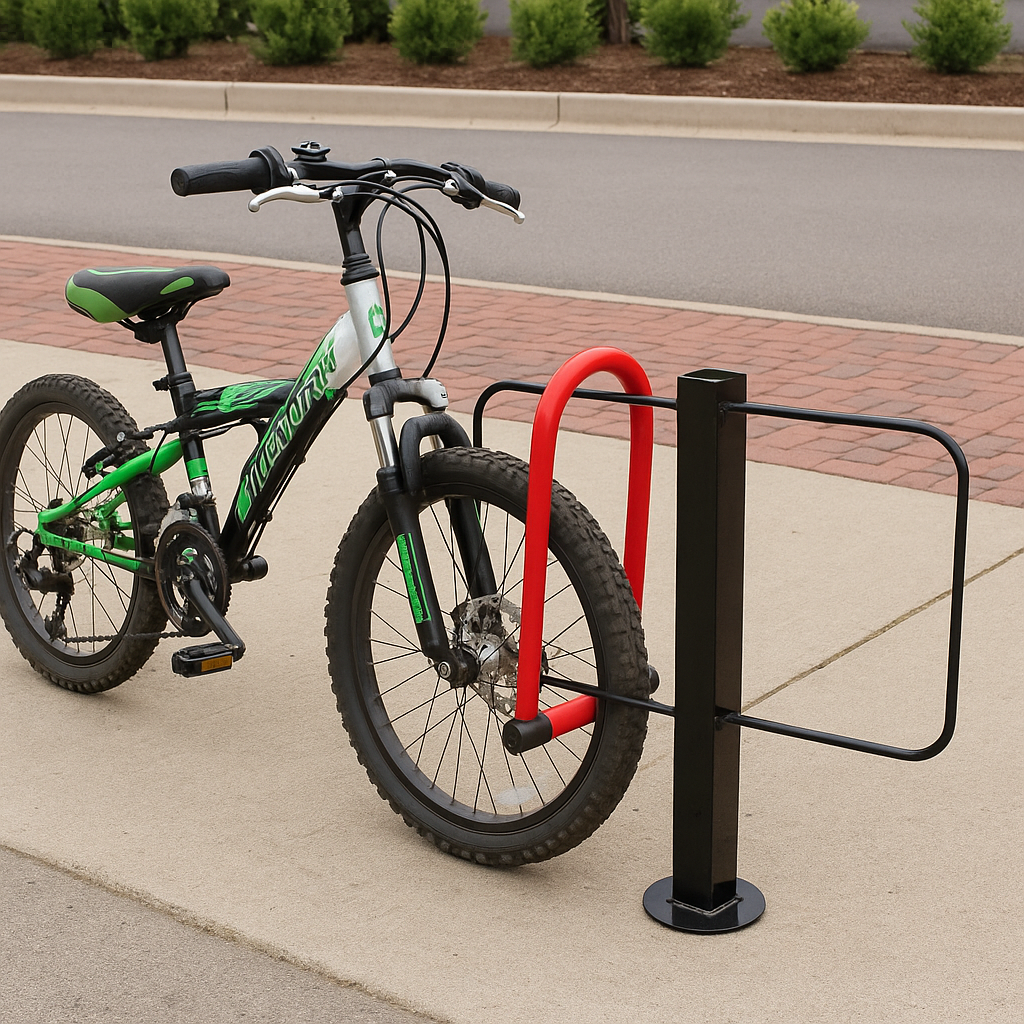
Heavy-duty steel bike racks in the UK represent the gold standard for professional bicycle parking infrastructure across commercial properties, educational institutions, and public facilities throughout 2026. When facilities managers across England, Scotland, Wales, and Northern Ireland need reliable, secure, and compliant bicycle parking solutions, they turn to premium-grade steel bike racks engineered specifically for British conditions and regulatory requirements.
This comprehensive guide explores everything you need to know about selecting, installing, and maintaining heavy-duty steel bike racks for your UK facility in 2026, ensuring you make informed decisions that deliver decades of reliable performance whilst meeting stringent safety and accessibility standards.
Why Heavy-Duty Steel Bike Racks Matter for UK Facilities in 2026
The landscape of sustainable transport infrastructure continues evolving throughout 2026, with UK facilities facing increasing pressure to provide professional-grade bicycle parking that encourages active commuting whilst protecting valuable assets. Unlike lightweight alternatives that deteriorate rapidly under British weather conditions, professional steel bike racks deliver unmatched durability, security, and long-term value.
Facilities across the UK require bicycle parking infrastructure that withstands constant daily use, extreme weather fluctuations, and potential vandalism whilst maintaining compliance with evolving accessibility regulations. Heavy-duty steel construction provides the structural integrity necessary for high-traffic environments, ensuring your investment continues performing optimally year after year without costly replacements or constant maintenance interventions.
Key Benefits Driving UK Adoption in 2026
- Superior weather resistance: Advanced corrosion-resistant coatings protect against rain, snow, coastal salt spray, and temperature extremes common across British climates
- Enhanced security features: Robust construction allows cyclists to secure both frame and wheels, significantly reducing theft risk compared to basic alternatives
- Regulatory compliance: Engineered to meet UK accessibility standards and safety requirements for commercial bicycle parking infrastructure
- Long-term cost efficiency: 20+ year lifespan with minimal maintenance delivers superior return on investment versus frequent replacement of lightweight options
- Professional aesthetics: Clean, contemporary design enhances property appeal whilst demonstrating commitment to sustainable transport
- Universal compatibility: Accommodates all bicycle types from traditional road bikes to modern electric bicycles and cargo bikes
Comparing Heavy-Duty Steel Bike Racks with Alternative Solutions
Understanding how premium steel bike racks compare against alternative bicycle parking solutions helps facilities managers across the UK make informed procurement decisions that align with operational requirements and budget constraints.
| Feature | Heavy-Duty Steel Rack | Standard Lightweight Racks | Wall-Mounted Options | Portable Stands |
|---|---|---|---|---|
| Material Construction | Premium structural steel with reinforced welding | Thin-gauge steel or aluminium | Basic tubular steel | Lightweight alloy |
| Weather Resistance | Advanced corrosion-resistant coating for UK climates | Standard paint finish | Basic galvanization | Minimal protection |
| Security Level | Frame and wheel locking with anti-tamper mounting | Frame-only locking | Limited locking points | Minimal security |
| Typical Lifespan | 20+ years with minimal maintenance | 5-8 years typical | 8-12 years | 3-5 years |
| UK Standards Compliance | Full accessibility and safety compliance | Variable compliance | Limited accessibility | Non-compliant |
| Installation Type | Permanent floor-mounted with professional hardware | Surface-mounted or portable | Wall-dependent installation | Temporary placement |
How to Choose the Right Heavy-Duty Steel Bike Rack for Your UK Facility
Selecting appropriate bicycle parking infrastructure requires careful consideration of multiple factors specific to your facility's operational requirements, user demographics, and environmental conditions across the UK in 2026.
Capacity Requirements Assessment
Begin by evaluating current and projected bicycle parking demand. Educational institutions across England typically require higher capacity solutions accommodating student and staff volumes, whilst commercial properties in Scotland may prioritize compact designs maximizing limited urban space. Consider peak usage periods and allow 20-30% additional capacity for future growth.
Location and Environmental Factors
Facilities in coastal areas of Wales and Northern Ireland face more aggressive corrosion challenges requiring enhanced protective coatings. Urban environments across major UK cities demand robust construction resisting vandalism and heavy use. Assess exposure to weather elements, available installation surfaces, and proximity to building entrances when specifying requirements.
Security and Compliance Considerations
Verify that selected bike rack solutions meet current UK accessibility standards and provide adequate security features. Healthcare facilities and public sector properties across the UK must ensure full regulatory compliance whilst commercial properties benefit from enhanced security reducing liability concerns.
Budget and Total Cost of Ownership
Whilst premium heavy-duty steel bike racks command higher initial investment, the total cost of ownership over 20+ years significantly undercuts frequent replacement of cheaper alternatives. Factor in installation costs, ongoing maintenance requirements, and potential replacement expenses when evaluating options.
Step-by-Step Installation Guide for UK Contractors
Professional installation ensures optimal performance and longevity of heavy-duty steel bike racks across UK facilities. Follow this comprehensive process for successful deployment in 2026.
Step 1: Site Preparation and Assessment
Conduct thorough site survey evaluating installation surface integrity, drainage patterns, and compliance with UK accessibility guidelines. Verify adequate clearances from building entrances, vehicle traffic routes, and pedestrian pathways. Mark precise mounting positions using provided templates ensuring accurate alignment.
Step 2: Surface Preparation and Marking
Clean installation area thoroughly removing debris, loose material, and surface contaminants that could compromise mounting integrity. Use precision measuring tools to mark drilling positions, double-checking alignment and spacing accuracy before proceeding with permanent modifications.
Step 3: Drilling and Anchor Installation
Using appropriate masonry drill bits matched to substrate type (concrete, tarmac, or paving), create mounting holes to specified depth and diameter. Install chemical anchors or mechanical fixings suitable for UK installation conditions, following manufacturer torque specifications precisely.
Step 4: Rack Positioning and Securing
Carefully position the heavy-duty steel bike rack over prepared mounting points, ensuring level alignment in both horizontal planes. Use calibrated torque wrenches to tighten all mounting hardware to specified values, applying tamper-resistant caps to exposed fixings preventing unauthorized removal.
Step 5: Quality Verification and Testing
Conduct comprehensive inspection of all mounting points, checking secure attachment, correct alignment, and structural stability. Test the rack under simulated loading conditions verifying installation integrity before releasing for operational use across your UK facility.
Cost Analysis: Investment and Long-Term Value in 2026
Understanding the complete financial picture helps UK facilities managers justify investment in premium bicycle parking infrastructure throughout 2026.
Initial Investment Considerations
Professional-grade heavy-duty steel bike racks typically range from £200-£400 per unit depending on capacity and specification. Installation costs vary based on surface type and site conditions, generally adding £100-£200 per rack for professional deployment across UK facilities.
Ongoing Maintenance Expenses
Annual maintenance costs remain minimal, typically under £20 per rack for periodic cleaning and inspection. This contrasts sharply with lightweight alternatives requiring frequent repairs, component replacements, or complete unit replacement every 5-8 years.
Total Cost of Ownership Comparison
Over a 20-year operational period, premium steel bike racks deliver total costs of approximately £500-£700 per unit including installation and maintenance. Lightweight alternatives requiring replacement every 6 years accumulate costs exceeding £1,200-£1,500 over the same period, making heavy-duty steel the economically superior choice for UK facilities.
Common Mistakes to Avoid When Implementing Bicycle Parking
Learn from widespread errors that compromise bicycle parking effectiveness across UK facilities in 2026.
Insufficient Capacity Planning
Many facilities across England and Scotland underestimate bicycle parking demand, leading to overcrowding and user frustration. Always specify 20-30% additional capacity beyond current requirements, accommodating growth in active commuting throughout 2026 and beyond.
Poor Location Selection
Positioning bicycle parking in poorly lit, inconvenient, or weather-exposed locations discourages use and increases security concerns. Prioritize visible, accessible locations with natural surveillance and convenient access to building entrances across your UK property.
Inadequate Security Features
Selecting racks that only accommodate frame locking leaves wheels vulnerable to theft, creating user dissatisfaction. Ensure chosen solutions allow cyclists to secure both frame and wheels using standard D-locks or chain locks.
Ignoring Accessibility Requirements
Failing to meet UK accessibility standards creates regulatory compliance issues and excludes users with varying abilities. Verify spacing, height positioning, and approach angles comply with current British accessibility legislation.
Neglecting Maintenance Planning
Even durable steel bike racks require periodic inspection and maintenance. Establish quarterly inspection schedules and address minor issues promptly preventing costly repairs and maintaining optimal performance across your UK facility.
Expert Recommendations for UK Facilities in 2026
Drawing on extensive experience across commercial properties, educational institutions, and public facilities throughout the UK, these expert recommendations optimize bicycle parking infrastructure deployment.
Prioritize Quality Over Initial Cost
Investing in premium heavy-duty steel bike racks delivers superior long-term value compared to budget alternatives requiring frequent replacement. The total cost of ownership over 20+ years strongly favours quality construction engineered for British conditions.
Plan for Future Growth
Bicycle commuting continues growing across the UK throughout 2026. Specify infrastructure with 30-50% additional capacity beyond current demand, avoiding costly expansion projects as usage increases across England, Scotland, Wales, and Northern Ireland.
Integrate with Broader Sustainability Initiatives
Position bicycle parking infrastructure as part of comprehensive sustainability strategies, enhancing corporate environmental credentials whilst supporting employee wellbeing initiatives. Communicate availability prominently encouraging active commuting across your UK facility.
Establish Proactive Maintenance Protocols
Implement quarterly inspection schedules checking coating integrity, mounting hardware security, and structural condition. Address minor issues immediately preventing deterioration and maintaining professional appearance throughout operational lifespan.
Maintenance Tips for Maximum Longevity
Proper maintenance ensures heavy-duty steel bike racks deliver decades of reliable performance across UK facilities.
Quarterly Visual Inspections
Conduct comprehensive visual inspections every three months, checking for coating damage, structural issues, or mounting hardware loosening. Early detection of minor problems prevents costly repairs and maintains optimal performance throughout the rack's operational lifespan across your UK property.
Regular Cleaning Protocols
Remove accumulated dirt, debris, and organic matter using mild detergent and water. Avoid abrasive cleaners or harsh chemicals that could compromise protective coatings. In coastal areas of Scotland and Wales, increase cleaning frequency combating salt spray accumulation.
Coating Maintenance and Touch-Up
Address minor scratches or coating damage promptly using touch-up paint matched to original finish. This prevents moisture ingress and corrosion initiation, preserving structural integrity and professional appearance across your UK facility.
Hardware Verification and Tightening
Annually verify all mounting hardware remains secure, retorquing fixings if necessary using calibrated tools. Replace any damaged or corroded components immediately maintaining installation security and user safety.
Frequently Asked Questions About Heavy-Duty Steel Bike Racks UK
What capacity do heavy-duty steel bike racks typically provide?
Capacity varies by model configuration, with double-sided designs accommodating multiple bicycles within compact footprints. Contact suppliers for specific capacity specifications tailored to your UK facility requirements, ensuring optimal space utilization whilst maintaining accessibility standards.
Are heavy-duty steel bike racks suitable for coastal UK locations?
Absolutely. Advanced corrosion-resistant coating technology is specifically engineered for harsh British coastal environments across Scotland, Wales, England, and Northern Ireland. Protective finishes withstand salt spray, moisture, and temperature fluctuations without compromising structural integrity or appearance.
How long does professional installation typically take?
Experienced contractors across the UK typically complete installation within 2-4 hours depending on site conditions and substrate type. This includes surface preparation, drilling, mounting, and quality verification, minimizing disruption to facility operations.
Do heavy-duty steel bike racks meet UK accessibility regulations?
Yes, professional-grade designs comply with British accessibility standards and safety requirements for commercial bicycle parking infrastructure. Spacing, height positioning, and approach angles accommodate users of varying abilities, ensuring regulatory compliance across your UK facility.
What maintenance is required for long-term performance?
Minimal maintenance is required – quarterly visual inspections, periodic cleaning with mild detergent, and annual hardware verification ensure decades of reliable service. Durable construction and protective coatings eliminate constant upkeep required by lightweight alternatives.
Can cyclists secure both frame and wheels?
Yes, intelligent design provides multiple locking points allowing cyclists to secure both frame and wheels using standard D-locks or chain locks. This comprehensive security approach significantly reduces theft risk compared to basic racks offering frame-only locking.
What surface types support floor-mounted installation?
Heavy-duty steel bike racks install permanently on concrete, tarmac, and paving surfaces commonly found across UK commercial properties. Professional contractors adapt installation methods to suit specific substrate conditions, ensuring secure mounting regardless of surface type.
How do heavy-duty steel racks compare to lightweight alternatives?
Premium steel construction delivers 20+ year lifespan with minimal maintenance, whilst lightweight alternatives typically require replacement every 5-8 years. Total cost of ownership over two decades strongly favours heavy-duty steel, providing superior long-term value for UK facilities.
Conclusion: Invest in Professional Bicycle Parking Infrastructure
As we progress through 2026, UK facilities across England, Scotland, Wales, and Northern Ireland face increasing demand for professional-grade bicycle parking infrastructure that delivers reliability, security, and regulatory compliance. Heavy-duty steel bike racks represent the definitive solution for facilities managers prioritizing long-term value, minimal maintenance, and superior performance under demanding British conditions.
From commercial properties and educational institutions to healthcare facilities and public sector buildings, premium steel bicycle parking infrastructure supports sustainable transport initiatives whilst protecting valuable assets and enhancing property appeal. The combination of robust construction, advanced weather resistance, comprehensive security features, and full UK regulatory compliance makes heavy-duty steel the professional choice for discerning facilities managers throughout 2026.
Don't compromise on quality when it comes to your facility's bicycle parking infrastructure. Invest in professional-grade heavy-duty steel bike racks engineered specifically for UK conditions, delivering decades of reliable performance whilst supporting your sustainability objectives and providing cyclists with the secure, accessible parking they deserve.
Ready to upgrade your UK facility's bicycle parking infrastructure? Explore our complete range of heavy-duty steel bike racks and contact our expert team today for personalized recommendations tailored to your specific requirements across England, Scotland, Wales, and Northern Ireland.