
Platform Floor Scale UK 2026: Expert Guide to Industrial Weighing Solutions

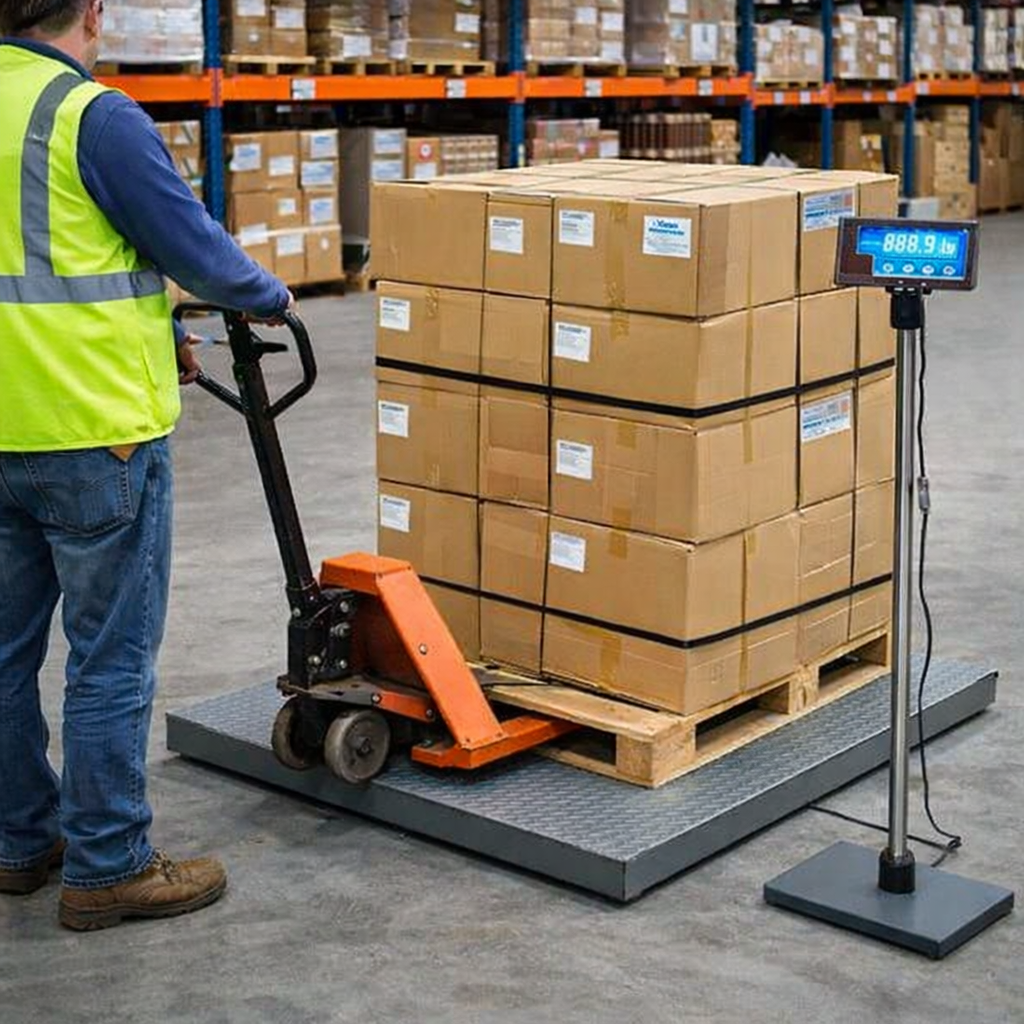
Platform floor scale UK solutions have become indispensable for warehouses, distribution centres, and manufacturing facilities across England, Scotland, Wales, and Northern Ireland in 2026. When precision weighing meets industrial-grade durability, businesses gain the competitive advantage of accurate inventory management, compliant shipping operations, and streamlined logistics processes. The heavy-duty platform floor scale with remote LCD indicator represents the pinnacle of professional weighing technology, engineered specifically for demanding UK commercial environments where reliability and accuracy are non-negotiable. This comprehensive guide explores everything UK facility managers, warehouse operators, and logistics professionals need to know about selecting, implementing, and maintaining industrial platform weighing systems that deliver measurable value throughout 2026 and beyond.
Why Platform Floor Scales Matter for UK Industrial Operations in 2026
The landscape of UK industrial operations has evolved dramatically, with regulatory compliance, operational efficiency, and cost management driving unprecedented demand for precision weighing equipment. Platform floor scales serve as critical infrastructure in modern warehouses, enabling accurate weight verification for shipping compliance, inventory control, and quality assurance processes.
In 2026, UK businesses face stringent trade standards and increasing pressure to optimise logistics costs. A professional platform floor scale UK solution eliminates costly shipping errors, prevents overloading violations, and provides the documented accuracy required for regulatory compliance. Facilities across Manchester, Glasgow, Cardiff, and Belfast rely on these systems to process thousands of shipments daily whilst maintaining the precision standards that protect profit margins.
The integration of remote LCD indicators enhances workplace safety by allowing operators to read measurements from a safe distance, particularly crucial when weighing hazardous materials or unstable loads. This technological advancement, combined with robust construction designed for UK industrial environments, makes modern platform scales essential equipment rather than optional accessories.
Understanding Platform Floor Scale Technology and Specifications
Modern platform floor scales incorporate sophisticated load cell technology that converts mechanical force into precise electrical signals. High-precision strain gauge sensors deliver exceptional accuracy, typically within ±0.1% to ±0.5% of capacity, ensuring reliable measurements across the full weighing range.
The construction quality separates professional-grade equipment from budget alternatives. Reinforced steel platforms with powder-coated finishes resist corrosion, impacts, and chemical exposure common in UK warehouse environments. Low-profile designs facilitate effortless loading with pallet jacks and forklifts, reducing manual handling risks whilst accelerating throughput in fast-paced distribution operations.
Key technical specifications to evaluate include:
- Weight capacity range (typically 500kg to 5000kg for industrial applications)
- Platform dimensions suitable for UK standard pallets (1200mm x 1000mm)
- Display resolution and readability in varying lighting conditions
- Connectivity options for warehouse management system integration
- Power requirements and battery backup capabilities
- Environmental protection ratings for specific operating conditions
- Calibration procedures and certification requirements
- Overload protection systems to safeguard sensitive components
Comprehensive Platform Floor Scale Comparison for UK Buyers
| Feature | Heavy-Duty Platform Floor Scale (Price Cart UK) | Standard Competitor Model | Budget Alternative |
|---|---|---|---|
| Platform Construction | Reinforced steel with powder coating | Standard steel construction | Lightweight aluminium |
| Load Cell Technology | High-precision strain gauge sensors | Standard load cells | Basic sensor technology |
| Display Type | Remote LCD with extended cable | Fixed display on platform | Basic LED readout |
| Accuracy | ±0.1% of capacity | ±0.3% of capacity | ±0.5% of capacity |
| Overload Protection | Integrated protection system | Limited protection | No protection |
| Calibration | User-friendly with certification | Professional calibration required | Factory calibration only |
| UK Warranty | Comprehensive coverage | Standard warranty | Limited warranty |
| Technical Support | Dedicated UK support team | International support | Email support only |
| Price Point | £1,519.00 (Premium value) | £1,200-£1,400 (Mid-range) | £600-£900 (Budget) |
| Best For | Professional UK warehouses requiring reliability | General industrial use | Light-duty occasional use |
The comparison clearly demonstrates why the heavy-duty platform floor scale delivers superior value for UK operations. Whilst budget alternatives may appear attractive initially, the combination of precision accuracy, robust construction, and comprehensive support justifies the investment for facilities where downtime and measurement errors carry significant costs.
How to Choose the Right Platform Floor Scale for Your UK Facility
Selecting appropriate weighing equipment requires careful evaluation of your operational requirements, environmental conditions, and compliance obligations. Begin by assessing your maximum typical load weight, adding 20-30% capacity overhead to protect load cells and maintain accuracy under dynamic loading conditions.
Platform dimensions must accommodate your largest items with clearance on all sides. For standard UK pallet weighing, platforms measuring 1250mm x 1250mm provide adequate space whilst fitting efficiently into warehouse layouts. Facilities handling oversized freight or irregular loads may require custom platform configurations.
Consider these critical selection factors:
- Application type: Shipping verification, inventory management, quality control, or regulatory compliance
- Usage frequency: Occasional use versus continuous high-volume operations
- Environmental conditions: Temperature ranges, moisture exposure, chemical presence
- Accuracy requirements: Trade-approved precision versus general industrial standards
- Integration needs: Standalone operation or warehouse management system connectivity
- Operator safety: Remote display requirements for hazardous load weighing
- Maintenance capabilities: In-house calibration versus professional service requirements
- Budget constraints: Initial investment versus total cost of ownership
For most UK warehouse applications, the platform floor scale UK solution with 1000-2000kg capacity, remote LCD indicator, and trade-approved accuracy provides optimal versatility and long-term value.
Step-by-Step Installation Guide for Platform Floor Scales
Proper installation ensures accurate measurements and extends equipment lifespan. Follow this professional installation procedure for optimal results:
Step 1: Site Preparation and Assessment
Select a level, stable surface away from vibration sources, drafts, and temperature fluctuations. Concrete floors provide ideal stability, whilst wooden or composite surfaces may require reinforcement. Ensure adequate clearance for pallet jack or forklift access, typically 1.5 metres on the loading side and 0.5 metres on remaining sides.
Step 2: Unpacking and Component Verification
Carefully remove the scale from packaging, inspecting for transit damage. Verify all components are present including the platform, remote indicator, connection cables, mounting hardware, and calibration documentation. Report any discrepancies immediately to ensure warranty coverage and avoid installation delays.
Step 3: Platform Positioning and Levelling
Position the platform in the prepared location, ensuring all adjustable feet make solid contact with the floor. Use a precision spirit level to check levelness in multiple directions, adjusting feet until the platform sits perfectly level. This critical step directly impacts measurement accuracy.
Step 4: Remote Indicator Installation
Connect the LCD indicator to the platform using the supplied cable, routing it to prevent tripping hazards and protect against damage from traffic. Mount the indicator at a comfortable viewing height, typically 1.2-1.5 metres from the floor, ensuring clear visibility from typical operating positions.
Step 5: Electrical Connection and Power-Up
Connect to UK mains power (230V) using the supplied adapter, ensuring compliance with UK wiring regulations. Provide adequate surge protection to safeguard sensitive electronics. For battery backup models, install batteries according to manufacturer specifications before initial power-up.
Step 6: Initial Calibration Procedure
Power on the scale and allow 15-30 minutes warm-up time for sensor stabilisation. Perform initial calibration using certified test weights, following the manufacturer's detailed calibration procedure. Record calibration results, including date, technician name, and test weight values for compliance documentation.
Step 7: Comprehensive Verification Testing
Test the scale with known weights across the full capacity range, verifying accuracy at 25%, 50%, 75%, and 100% of maximum capacity. Check tare function, unit conversion capabilities, and all operational modes. Ensure the remote display provides clear, stable readings from typical operating distances.
Step 8: Operator Training and Documentation
Train all operators on proper scale use, including zero calibration, tare procedures, and basic troubleshooting. Provide clear operating instructions near the scale and maintain calibration records in an accessible location for regulatory inspections.
Cost Analysis: Investment and Total Ownership Considerations
Understanding the complete financial picture helps justify equipment investments and budget appropriately for long-term operations. The initial purchase price represents only one component of total cost of ownership.
Initial Investment Breakdown:
- Platform floor scale equipment: £1,519.00
- Professional installation (optional): £150-£300
- Initial calibration and certification: £100-£200
- Operator training: £50-£150
- Total initial investment: £1,819-£2,169
Annual Operating Costs:
- Quarterly calibration verification: £200-£400
- Annual trade certification (if required): £150-£250
- Routine maintenance and cleaning: £100-£200
- Electricity consumption: £20-£40
- Total annual operating costs: £470-£890
Value Delivered:
- Elimination of shipping cost errors: £2,000-£5,000 annually
- Reduced inventory discrepancies: £1,500-£3,000 annually
- Improved operational efficiency: £1,000-£2,500 annually
- Compliance violation prevention: £500-£2,000 annually
- Total annual value: £5,000-£12,500
The return on investment typically occurs within 3-6 months for active warehouse operations, with the platform floor scale delivering measurable value throughout its 10-15 year operational lifespan. Budget alternatives may cost less initially but often require replacement within 3-5 years, making professional-grade equipment more economical long-term.
Common Mistakes to Avoid When Using Platform Floor Scales
Even high-quality weighing equipment delivers inaccurate results when used improperly. Avoid these frequent errors that compromise measurement accuracy and equipment longevity:
Mistake 1: Neglecting Regular Calibration
Skipping scheduled calibration allows measurement drift to accumulate, leading to costly shipping errors and compliance violations. Establish a documented calibration schedule and adhere to it rigorously, even when the scale appears to function correctly.
Mistake 2: Improper Platform Loading
Placing loads off-centre or allowing them to extend beyond platform edges introduces measurement errors. Always centre loads on the platform and ensure complete weight transfer before recording measurements.
Mistake 3: Ignoring Environmental Factors
Temperature fluctuations, drafts, and vibrations affect measurement accuracy. Shield scales from direct sunlight, heating vents, and high-traffic areas where vibrations from forklifts or machinery introduce instability.
Mistake 4: Overloading Beyond Rated Capacity
Exceeding maximum capacity damages sensitive load cells and voids warranty coverage. Whilst overload protection systems provide some safeguarding, repeated overloading causes permanent accuracy degradation.
Mistake 5: Using Damaged or Dirty Platforms
Debris accumulation, corrosion, or structural damage compromises accuracy and creates safety hazards. Implement daily cleaning procedures and address any damage immediately to maintain measurement integrity.
Mistake 6: Inadequate Operator Training
Untrained operators make procedural errors that affect accuracy and equipment lifespan. Invest in comprehensive training covering proper use, basic troubleshooting, and when to request professional service.
Mistake 7: Failing to Document Calibration and Maintenance
Inadequate record-keeping creates compliance issues during regulatory inspections and makes it difficult to identify developing problems. Maintain detailed logs of all calibration, maintenance, and repair activities.
Expert Recommendations for Platform Floor Scale Selection in 2026
Based on extensive experience with UK warehouse operations, these professional recommendations guide optimal equipment selection:
For High-Volume Distribution Centres: Prioritise robust construction, rapid stabilisation times, and warehouse management system connectivity. The heavy-duty platform floor scale with remote indicator delivers the durability and speed required for processing hundreds of shipments daily.
For Manufacturing Facilities: Select models with high precision accuracy and multiple weighing modes to support quality control processes. Trade-approved certification ensures compliance with regulatory requirements for production documentation.
For Cold Storage Operations: Specify temperature-compensated models with appropriate environmental protection ratings. Standard scales may experience accuracy drift in sub-zero conditions, making specialised equipment essential.
For Multi-Site Operations: Standardise on a single platform floor scale UK model across all facilities to simplify training, maintenance, and spare parts inventory. Bulk purchasing often yields significant cost savings.
For Budget-Conscious Buyers: Resist the temptation to purchase the cheapest option. Mid-range professional equipment like the platform floor scale at £1,519 delivers far superior total cost of ownership compared to budget alternatives requiring frequent replacement.
For Compliance-Critical Applications: Invest in trade-approved models with comprehensive calibration documentation and UK-based technical support. The cost of compliance violations far exceeds the premium for certified equipment.
Maintenance Tips for Long-Term Platform Floor Scale Performance
Proper maintenance extends equipment lifespan, maintains accuracy, and prevents costly downtime. Implement this comprehensive maintenance programme:
Daily Maintenance Procedures:
- Inspect the platform for debris, damage, or obstructions before first use
- Clean the weighing surface with appropriate cleaning agents, avoiding harsh chemicals
- Verify the display functions correctly and readings appear stable at zero
- Check that the remote indicator cable remains secure and undamaged
- Document any unusual behaviour or error messages for technical review
Weekly Maintenance Tasks:
- Verify platform levelness using a spirit level, adjusting feet if necessary
- Test tare function and zero calibration with a known reference weight
- Inspect all cable connections for security and signs of wear
- Clean the indicator display and check for any error messages
- Review usage logs to identify any patterns suggesting developing issues
Monthly Maintenance Requirements:
- Perform accuracy verification using certified test weights at multiple capacity points
- Inspect load cell mounting points for tightness and signs of stress
- Check platform feet for wear and replace if necessary
- Verify overload protection systems function correctly
- Update maintenance logs with all inspection results and corrective actions
Quarterly Maintenance Activities:
- Conduct comprehensive calibration using traceable test weights
- Inspect all structural components for corrosion, cracks, or deformation
- Test all operational modes and advanced functions
- Review operator feedback to identify training needs or procedural improvements
- Schedule professional service if any issues are identified
Annual Maintenance Programme:
- Schedule professional calibration and certification for trade-approved applications
- Replace batteries in backup power systems
- Conduct thorough inspection of all electrical connections
- Update firmware if applicable and available
- Review operational procedures with all staff members
- Assess whether the scale continues to meet operational requirements
Frequently Asked Questions About Platform Floor Scales UK
What weight capacity platform floor scale do I need for standard UK warehouse operations?
For typical pallet weighing in UK warehouses, 1000-2000kg capacity suits most applications. This range accommodates standard UK pallets (1200mm x 1000mm) loaded with typical goods whilst providing 20-30% overhead capacity to protect load cells. Facilities handling heavier freight or bulk materials may require 3000-5000kg capacity models.
How accurate are platform floor scales for commercial shipping and compliance?
Trade-approved platform floor scales meet UK legal metrology standards with accuracy typically ±0.1% of capacity or better. For example, a 2000kg capacity scale provides ±2kg accuracy, more than sufficient for shipping cost calculations and regulatory compliance. Non-trade models offer ±0.2-0.5% accuracy, adequate for inventory management and internal quality control.
Can platform floor scales be used in cold storage or outdoor UK environments?
Standard models operate reliably in typical warehouse temperatures (0-40°C). For cold storage facilities, outdoor use, or extreme environments common in UK industrial settings, specify temperature-compensated models with appropriate IP (Ingress Protection) ratings. Consult technical specialists for application-specific recommendations based on your environmental conditions.
How often does a platform floor scale require calibration in UK facilities?
Initial calibration upon installation, then quarterly verification for most warehouse applications. Trade-approved scales used for commercial transactions require annual certification by approved UK calibration services. High-use environments or critical applications benefit from monthly verification to maintain optimal accuracy and catch developing issues early.
What platform size should I choose for weighing UK standard pallets?
UK standard pallets measure 1200mm x 1000mm, requiring platforms of at least 1250mm x 1250mm to provide adequate clearance on all sides. This sizing ensures stable load placement and accurate weight distribution across load cells. Facilities handling oversized or irregular loads may require custom platform configurations.
Are platform floor scales compatible with warehouse management systems?
Many professional models offer RS-232, USB, or Ethernet connectivity for seamless integration with WMS, ERP, and inventory management systems. Data output formats include ASCII, continuous transmission, and command-response protocols. Specify connectivity requirements when ordering to ensure compatibility with your existing systems.
What warranty and support is provided for UK platform floor scale customers?
Reputable suppliers like Price Cart UK provide comprehensive warranty coverage protecting against manufacturing defects, with UK-based technical support available for installation guidance, troubleshooting, and maintenance advice. Extended warranty options and preventive maintenance contracts are available for critical applications requiring maximum uptime.
How long do platform floor scales typically last in UK warehouse environments?
Professional-grade platform floor scales with proper maintenance deliver 10-15 years of reliable service in typical UK warehouse conditions. Budget alternatives often require replacement within 3-5 years, making premium equipment more economical long-term. Harsh environments or extremely high-volume use may reduce lifespan, whilst light-duty applications can extend it beyond 15 years.
Conclusion: Invest in Professional Platform Floor Scale Solutions for UK Success
The platform floor scale UK market in 2026 offers unprecedented choice, but selecting the right equipment requires careful evaluation of your operational requirements, environmental conditions, and long-term value considerations. Professional-grade weighing solutions like the heavy-duty platform floor scale with remote LCD indicator deliver the accuracy, durability, and reliability that UK warehouses, distribution centres, and manufacturing facilities demand.
From Manchester to Glasgow, Cardiff to Belfast, businesses across the United Kingdom rely on precision weighing equipment to maintain competitive advantage through accurate inventory management, compliant shipping operations, and streamlined logistics processes. The investment in quality equipment pays dividends through eliminated shipping errors, reduced inventory discrepancies, improved operational efficiency, and compliance violation prevention.
Don't compromise on weighing accuracy or equipment reliability. The platform floor scale at £1,519 represents exceptional value for UK operations, combining professional-grade construction, high-precision load cells, remote LCD indicator convenience, and comprehensive UK support. With proper installation, regular calibration, and routine maintenance, this equipment will serve your facility reliably throughout 2026 and for many years beyond.
Transform your warehouse weighing operations today. Contact Price Cart UK to discuss your specific requirements with technical specialists who understand UK industrial environments. We'll help you select the optimal configuration, provide detailed specifications, and arrange fast delivery anywhere across England, Scotland, Wales, and Northern Ireland. Order your heavy-duty platform floor scale now and experience the Price Cart UK difference where premium quality meets professional service for industrial weighing solutions that deliver measurable value to your operation.