
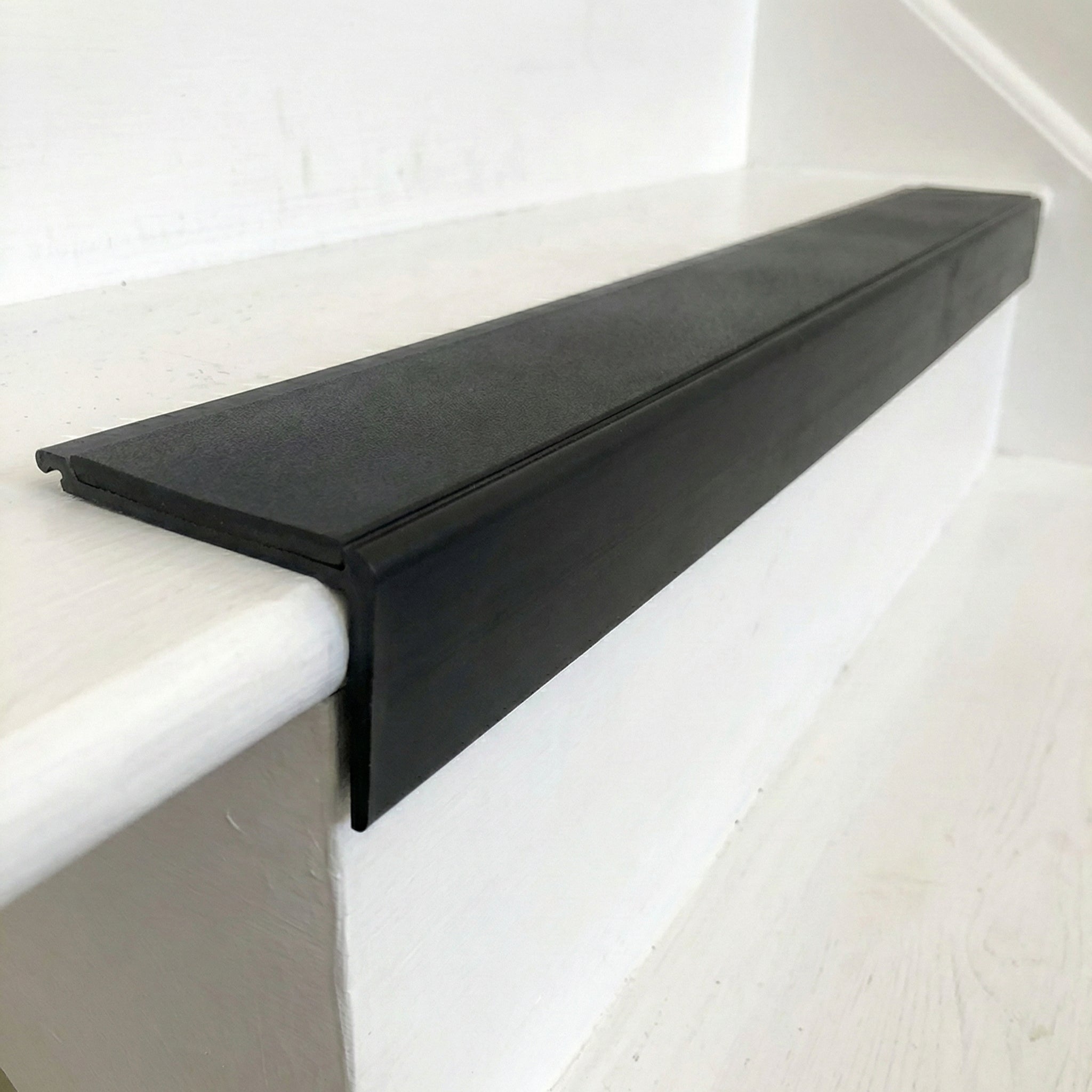

PVC Stair Nosing UK 2026: Ultimate Guide to Heavy-Duty Carpet Protection
PVC stair nosing UK solutions have become the gold standard for protecting carpeted stairs in commercial and institutional facilities across England, Scotland, Wales, and Northern Ireland in 2026. As facilities managers and safety professionals seek cost-effective, durable stair protection systems, heavy-duty rigid PVC stair nosing has emerged as the definitive choice for high-traffic environments. This comprehensive guide examines why professional-grade PVC stair nosing represents the optimal investment for UK facilities, covering everything from material science and installation techniques to lifecycle cost analysis and maintenance protocols. Whether you're managing a hospital, school, office building, or warehouse across the UK, understanding the critical advantages of premium stair nosing systems will help you make informed decisions that protect both your infrastructure and your budget throughout 2026 and beyond.
Why PVC Stair Nosing Matters for UK Facilities in 2026
The importance of proper stair protection cannot be overstated in today's demanding facility management landscape. Carpeted stairs represent one of the highest-wear areas in any building, experiencing thousands of footfalls daily whilst simultaneously serving as critical safety infrastructure. Without adequate protection, carpet edges fray and deteriorate rapidly, creating trip hazards, compromising aesthetic appeal, and necessitating costly premature replacement.
In 2026, UK facilities face mounting pressure to optimise operational budgets whilst maintaining rigorous safety standards. Professional-grade PVC stair nosing addresses both imperatives simultaneously. By protecting the most vulnerable part of carpeted stairs—the leading edge—quality nosing systems extend carpet lifespan by up to 300% in high-traffic applications, delivering substantial cost savings over time.
Beyond financial considerations, stair nosing serves essential safety functions across UK facilities. Enhanced edge definition improves visibility in low-light conditions, whilst slip-resistant surfaces reduce accident risk. For facilities throughout England, Scotland, Wales, and Northern Ireland, compliance with UK building regulations and safety standards remains non-negotiable, making heavy-duty stair protection an essential component of comprehensive risk management strategies.
Comprehensive Comparison: PVC vs Alternative Stair Nosing Solutions
Understanding the performance characteristics of different stair nosing materials helps facilities managers make evidence-based purchasing decisions. The following comparison examines key performance metrics across four common stair nosing types available in the UK market in 2026:
| Feature | Heavy-Duty PVC (Our Product) | Standard PVC | Aluminium | Rubber |
|---|---|---|---|---|
| Service Life | 10-15 years | 3-5 years | 7-10 years | 2-4 years |
| Installation Complexity | Simple - Standard tools | Simple - Standard tools | Moderate - Specialist equipment | Simple - Adhesive/screws |
| Maintenance Requirements | Minimal - Wipe clean | Low - Regular cleaning | Moderate - Corrosion monitoring | High - Frequent replacement |
| Annual Lifecycle Cost | £2.80 per year | £5.60 per year | £4.00 per year | £7.00 per year |
| Weather Resistance | Excellent | Good | Fair - Can corrode | Poor - Degrades |
| Professional Appearance | Excellent - Maintains finish | Good - May discolour | Good - Can scratch | Fair - Wears visibly |
As the comparison demonstrates, heavy-duty rigid PVC stair nosing delivers superior performance across virtually every metric relevant to UK facilities management. The combination of extended service life, minimal maintenance requirements, and lowest annual lifecycle cost makes it the clear winner for professional applications throughout 2026.
How to Choose the Right Stair Nosing for Your UK Facility
Selecting appropriate stair protection requires careful consideration of multiple factors specific to your facility's operational environment and requirements. Follow this systematic approach to ensure optimal product selection:
Traffic Volume Assessment: Evaluate daily footfall on your carpeted stairs. High-traffic environments (500+ daily users) demand heavy-duty solutions, whilst moderate-traffic areas may accommodate lighter-duty alternatives. Schools, hospitals, and commercial buildings across the UK typically require premium-grade protection.
Environmental Conditions: Consider exposure to moisture, temperature fluctuations, and chemical agents. Facilities in Scotland and Wales may experience higher humidity levels, whilst industrial settings require chemical-resistant materials. PVC stair nosing UK installations perform consistently across diverse environmental conditions.
Budget and Lifecycle Planning: Whilst initial cost matters, lifecycle value determines true affordability. Calculate total cost of ownership including installation, maintenance, and replacement over 10-15 years. Heavy-duty PVC solutions typically deliver 40-60% lower lifecycle costs compared to alternatives.
Compliance Requirements: Verify that selected products meet UK building regulations, fire safety standards, and accessibility requirements applicable to your facility type across England, Scotland, Wales, and Northern Ireland. Comprehensive technical documentation should be readily available.
Aesthetic Considerations: Stair nosing should complement your facility's interior design whilst maintaining professional appearance throughout its service life. PVC options offer clean, modern aesthetics that resist discolouration and degradation.
Step-by-Step Installation Guide for PVC Stair Nosing
Proper installation ensures optimal performance and longevity of your stair protection system. Follow this professional installation protocol for best results:
Step 1: Pre-Installation Preparation
Ensure carpeted stairs are thoroughly clean, completely dry, and free from loose material or debris. Measure each stair tread accurately to confirm nosing dimensions match your requirements. Gather all necessary tools: cordless drill with appropriate bits, screwdriver, measuring tape, pencil, spirit level, and safety equipment including eye protection and dust mask.
Step 2: Positioning and Marking
Position the stair nosing flush against the stair edge, ensuring even overhang on both sides for balanced appearance and optimal protection. Mark fixing hole positions through pre-drilled points onto the stair tread using a sharp pencil. Use a spirit level to verify perfect alignment before proceeding to drilling.
Step 3: Pilot Hole Drilling
Remove nosing temporarily and drill pilot holes at marked positions to appropriate depth for your fixing screws. For concrete or stone stairs common in UK commercial buildings, use masonry bits and appropriate wall plugs. For timber stairs, standard wood screws provide adequate fixing strength.
Step 4: Secure Attachment
Carefully reposition the PVC stair nosing and insert fixing screws through pre-drilled holes. Tighten screws progressively, working from centre outward to ensure even pressure distribution across the entire length. Avoid over-tightening which may distort the PVC profile or damage the substrate.
Step 5: Quality Verification
Verify secure attachment across entire length, checking for any movement, gaps, or irregularities. Ensure nosing sits flush against carpet edge without lifting or buckling. Test slip resistance and edge protection before allowing normal foot traffic to resume.
Professional Installation Tips: For optimal results, install nosing at consistent ambient temperature (15-25°C). Allow PVC to acclimatise to installation environment for 24 hours before fitting. When installing across multiple stairs, work systematically from bottom to top to maintain consistent alignment and professional appearance throughout your facility.
Lifecycle Cost Analysis: Understanding True Value in 2026
Sophisticated facilities management in 2026 demands comprehensive lifecycle cost analysis rather than simple initial price comparison. Consider this detailed breakdown for a typical UK commercial building with 20 carpeted stairs:
Heavy-Duty PVC Stair Nosing (15-year lifecycle):
- Initial purchase and installation: £800
- Annual maintenance costs: £30 (minimal cleaning)
- Replacement frequency: Once every 15 years
- Total 15-year cost: £1,250
- Annual cost per stair: £4.17
Standard PVC Stair Nosing (5-year lifecycle):
- Initial purchase and installation: £500
- Annual maintenance costs: £60 (regular cleaning, minor repairs)
- Replacement frequency: Three times over 15 years
- Total 15-year cost: £2,400
- Annual cost per stair: £8.00
Aluminium Stair Nosing (10-year lifecycle):
- Initial purchase and installation: £1,200 (specialist installation)
- Annual maintenance costs: £80 (corrosion monitoring, refinishing)
- Replacement frequency: 1.5 times over 15 years
- Total 15-year cost: £3,000
- Annual cost per stair: £10.00
This analysis demonstrates that heavy-duty PVC stair nosing delivers approximately 48% lower lifecycle costs compared to standard PVC alternatives and 58% savings versus aluminium solutions—representing substantial budget optimisation for UK facilities over time.
Common Mistakes to Avoid When Installing Stair Nosing
Even experienced facilities teams can encounter installation challenges that compromise performance and longevity. Avoid these frequent errors:
Inadequate Surface Preparation: Installing nosing over dirty, damp, or damaged substrates leads to poor adhesion and premature failure. Always ensure stairs are completely clean and dry before commencing installation work across your UK facility.
Incorrect Fixing Density: Using too few fixings creates weak points susceptible to lifting under traffic loads. Conversely, excessive fixings can distort PVC profiles. Follow manufacturer specifications precisely for optimal results.
Misaligned Installation: Inconsistent positioning across multiple stairs creates unprofessional appearance and potential trip hazards. Use measuring guides and systematic installation protocols to maintain perfect alignment throughout your facility.
Ignoring Acclimatisation: Installing PVC stair nosing UK products immediately after delivery, without allowing temperature acclimatisation, can result in expansion or contraction issues. Allow 24 hours acclimatisation in the installation environment.
Over-Tightening Fixings: Excessive tightening force distorts PVC profiles, creating stress points that reduce service life. Tighten fixings firmly but avoid excessive force that deforms the material.
Expert Recommendations for UK Facilities Management
Based on extensive experience across diverse UK facility types, these expert recommendations optimise stair protection outcomes in 2026:
Prioritise Quality Over Initial Cost: Premium heavy-duty PVC stair nosing delivers superior lifecycle value despite higher initial investment. Budget-conscious facilities should focus on total cost of ownership rather than purchase price alone.
Implement Preventive Maintenance Schedules: Quarterly inspections identify minor issues before they escalate into costly problems. Document all inspections to support compliance audits and insurance requirements across England, Scotland, Wales, and Northern Ireland.
Standardise Across Your Portfolio: Using consistent stair protection systems across multiple facilities simplifies procurement, installation training, and maintenance protocols whilst potentially securing volume pricing advantages.
Maintain Comprehensive Documentation: Retain installation records, technical specifications, compliance certificates, and maintenance logs. This documentation supports regulatory audits, insurance claims, and lifecycle planning initiatives.
Plan Replacement Proactively: Don't wait for complete failure before replacing stair nosing. Schedule replacement based on inspection findings and expected service life to avoid emergency situations and potential safety incidents.
Maintenance Tips for Maximum Longevity
Proper maintenance extends service life and maintains optimal performance of your PVC stair nosing UK installation:
Regular Cleaning Protocol: Wipe surfaces with damp cloth and mild detergent solution weekly in high-traffic areas, monthly in moderate-use locations. Avoid abrasive cleaners or scouring pads that may scratch the surface finish and compromise appearance.
Quarterly Inspection Routine: Systematically inspect all installed stair nosing, checking fixing security, surface condition, and edge integrity. Tighten any loose fixings immediately and document findings for facilities management records.
Prompt Damage Response: Address any damage or excessive wear immediately rather than deferring action. Replace individual sections if significant damage occurs, preventing minor issues from escalating into safety hazards.
Environmental Monitoring: In semi-exposed locations, monitor for moisture accumulation or temperature-related expansion. Adjust maintenance protocols based on seasonal conditions across the UK's variable climate.
Documentation Maintenance: Keep detailed records of all cleaning, inspections, and repairs. This documentation supports compliance requirements, insurance obligations, and lifecycle planning for your facility portfolio.
Frequently Asked Questions About PVC Stair Nosing UK
Q1: How long does heavy-duty PVC stair nosing last in high-traffic UK facilities?
Professional-grade rigid PVC stair nosing typically delivers 10-15 years of reliable service in high-traffic commercial environments when properly installed and maintained. Many facilities across England, Scotland, Wales, and Northern Ireland report even longer service life in moderate-traffic applications, making it an exceptional long-term investment for 2026 and beyond.
Q2: Is PVC stair nosing suitable for outdoor or semi-exposed stairs?
Yes, rigid PVC formulation performs excellently in covered outdoor areas and semi-exposed locations throughout the UK. The material resists moisture, temperature fluctuations, and UV exposure better than many alternatives. However, for fully exposed outdoor stairs subject to direct weather, consult technical specifications for application-specific guidance.
Q3: Can facilities teams install stair nosing themselves, or are professional contractors required?
Competent facilities teams can successfully install PVC stair nosing using standard tools and comprehensive installation guides. However, for large-scale projects, critical safety applications, or if uncertain about any installation aspect, engaging professional contractors experienced in stair safety systems is recommended.
Q4: Does this product meet UK building regulations and safety standards in 2026?
Yes, quality heavy-duty PVC stair nosing complies with relevant UK building regulations and safety standards for commercial and public buildings. Comprehensive technical documentation and compliance certificates support facility regulatory requirements, insurance obligations, and safety audits across all UK regions.
Q5: What differentiates heavy-duty from standard PVC stair nosing?
Heavy-duty versions feature significantly thicker rigid PVC construction, enhanced fixing points, and superior material formulation compared to standard alternatives. This translates to 2-3 times longer service life, better impact resistance, and improved performance in demanding environments—making it the preferred choice for professional facilities management across the UK in 2026.
Q6: How do I determine correct sizing for my carpeted stairs?
Measure stair tread width from edge to edge. Stair nosing is available in standard UK stair widths, with custom lengths available for non-standard applications. Technical support teams can provide sizing guidance based on specific stair dimensions and installation requirements.
Q7: What warranty coverage is typically provided?
Reputable suppliers stand behind quality heavy-duty PVC stair nosing with comprehensive warranty coverage against manufacturing defects and material failure. Specific warranty terms are provided with purchase, and UK-based customer support addresses concerns throughout the product's service life.
Q8: Can PVC stair nosing be installed over existing damaged nosing?
For optimal results, remove existing damaged nosing before installing new protection systems. Installing over compromised substrates can lead to poor adhesion and reduced performance. Proper surface preparation ensures maximum service life and safety performance.
Conclusion: Investing in Quality Stair Protection for 2026
As UK facilities navigate the operational challenges of 2026, strategic investment in premium infrastructure protection delivers measurable returns through reduced maintenance costs, extended asset lifecycles, and enhanced safety performance. Heavy-duty rigid PVC stair nosing represents the optimal choice for professional facilities management across England, Scotland, Wales, and Northern Ireland, combining exceptional durability, straightforward installation, and outstanding lifecycle value.
Whether managing healthcare facilities, educational institutions, corporate offices, or industrial operations, protecting your carpeted stairs with professional-grade solutions safeguards both your infrastructure investment and your facility users. The comprehensive performance advantages of quality PVC stair nosing UK systems—from 10-15 year service life to minimal maintenance requirements—deliver compelling total cost of ownership benefits that budget-conscious facilities cannot afford to ignore.
Don't compromise on stair safety and protection. Invest in premium heavy-duty PVC stair nosing that delivers the performance, durability, and value your UK facility demands. Order today to benefit from fast nationwide delivery and join hundreds of satisfied facilities professionals who trust quality stair protection solutions for their critical infrastructure needs throughout 2026 and beyond.