
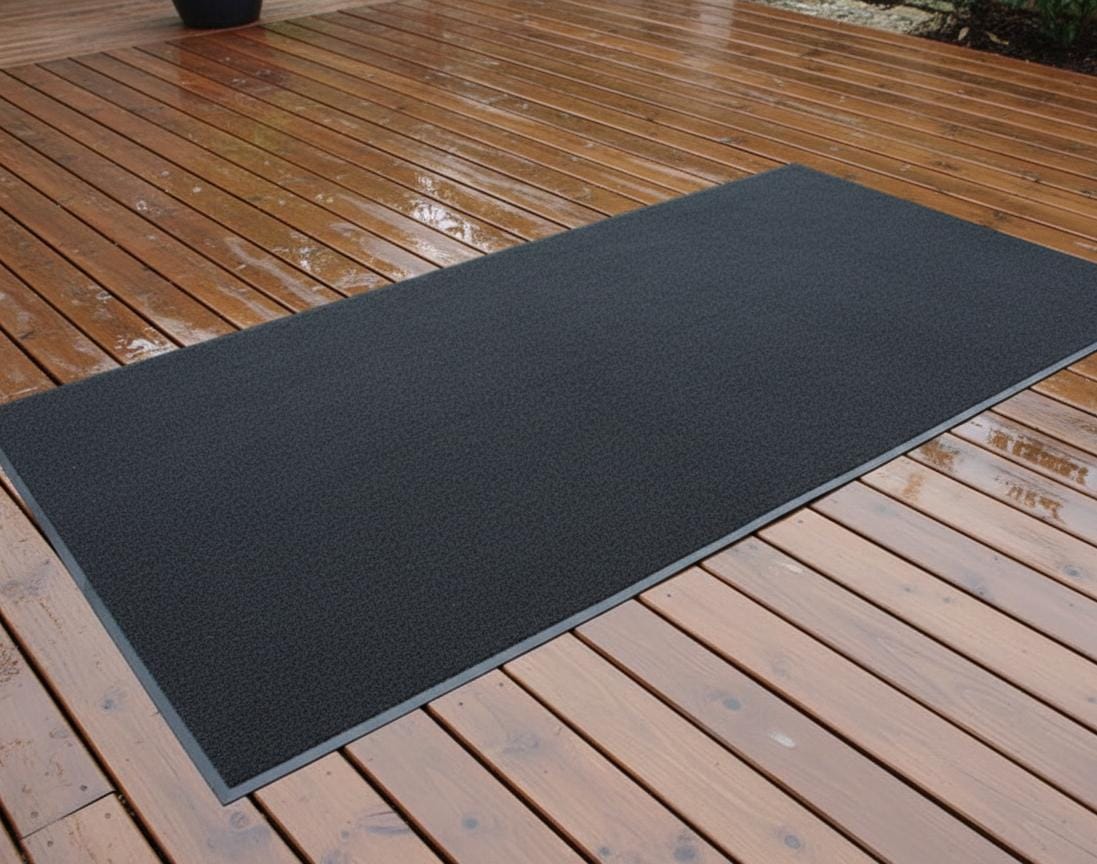
Anti-slip rubber floor sheets in the UK have become the definitive workplace safety solution for 2026, protecting employees across industrial, commercial, and institutional environments throughout England, Scotland, Wales, and Northern Ireland. As facilities managers and health and safety officers prioritize both compliance and employee wellbeing, the 10mm anti-slip rubber floor sheet stands out as the premium choice for demanding UK workplaces. This comprehensive guide examines everything you need to know about selecting, installing, and maintaining professional-grade anti-slip rubber flooring in 2026, from technical specifications and cost analysis to expert recommendations and common implementation mistakes.
Whether you're outfitting a manufacturing facility in Manchester, a commercial kitchen in Edinburgh, a warehouse in Cardiff, or a healthcare facility in Belfast, understanding the nuances of anti-slip rubber floor sheets ensures you make an informed investment that delivers measurable safety improvements and long-term value across your UK operations.
Why Anti-Slip Rubber Floor Sheets Matter in UK Workplaces 2026
Workplace slip, trip, and fall incidents remain among the most common causes of employee injuries across the United Kingdom, with the Health and Safety Executive reporting thousands of major injuries annually. In 2026, regulatory scrutiny continues to intensify whilst employee expectations for safe working conditions have never been higher. Anti-slip rubber floor sheets address this critical challenge by providing proven slip resistance across wet, oily, and dry conditions whilst simultaneously delivering anti-fatigue benefits that improve productivity and reduce musculoskeletal disorders.
The financial implications extend far beyond compliance. Workplace injuries result in lost productivity, increased insurance premiums, potential legal liability, and damage to employer reputation. Premium anti-slip rubber flooring represents a proactive investment that demonstrably reduces incident rates whilst supporting employee comfort during extended standing periods. For UK facilities operating in food processing, manufacturing, healthcare, warehousing, and automotive sectors, professional-grade safety matting has transitioned from optional enhancement to essential infrastructure.
Modern anti-slip rubber floor sheets also address environmental considerations increasingly important to UK businesses in 2026. Durable construction means fewer replacements, reduced waste, and lower lifecycle environmental impact compared to disposable alternatives or frequently reapplied coatings. The combination of safety performance, ergonomic benefits, durability, and sustainability makes heavy-duty rubber flooring the intelligent choice for forward-thinking UK facilities.
Comprehensive Comparison: Anti-Slip Rubber Floor Sheets vs. Alternative Solutions 2026
Understanding how anti-slip rubber floor sheets compare to alternative safety flooring solutions helps UK facilities managers make evidence-based decisions. The following comparison evaluates key performance criteria across four common approaches to workplace slip prevention:
| Feature | 10mm Rubber Floor Sheet | Standard 3-5mm Matting | PVC Floor Covering | Anti-Slip Paint |
|---|---|---|---|---|
| Thickness & Cushioning | Premium 10mm – maximum comfort | 3-5mm – minimal cushioning | 2-3mm – negligible comfort | 0.5mm – no cushioning |
| Slip Resistance | Excellent in wet/oil/dry conditions | Good in dry, variable when wet | Moderate, degrades with wear | Good initially, wears quickly |
| Durability | Heavy-duty – 5-10+ years | Light-duty – 2-4 years | Moderate – 3-5 years | Poor – 1-2 years |
| Chemical Resistance | Excellent resistance to oils/chemicals | Moderate resistance | Poor – degrades with chemicals | Variable – substrate dependent |
| Installation | Easy cutting and fitting | Easy cutting and fitting | Requires adhesive, difficult | Requires prep, specialist application |
| Maintenance | Simple sweep and mop | Simple sweep and mop | Frequent cleaning required | Reapplication needed regularly |
| Anti-Fatigue | Excellent ergonomic support | Minimal support | No support | No support |
| Lifecycle Cost | Low – excellent value | Moderate – frequent replacement | Moderate – maintenance intensive | High – constant reapplication |
As the comparison demonstrates, the 10mm anti-slip rubber floor sheet delivers superior performance across virtually every criterion relevant to UK workplace safety applications. The premium thickness provides unmatched anti-fatigue benefits, the heavy-duty construction ensures exceptional durability, and the chemical-resistant formulation maintains performance in challenging industrial environments across England, Scotland, Wales, and Northern Ireland.
How to Choose the Right Anti-Slip Rubber Floor Sheet for Your UK Facility 2026
Selecting optimal anti-slip rubber flooring requires evaluating several critical factors specific to your UK workplace environment and operational requirements:
Thickness Requirements: For applications where workers stand for extended periods, 10mm thickness provides optimal anti-fatigue benefits. Manufacturing assembly lines, packing stations, quality control areas, and food processing environments benefit significantly from this premium cushioning. Thinner alternatives may suffice for light-duty applications but compromise on ergonomic support.
Environmental Conditions: Assess the typical contaminants present in your facility. Wet environments like commercial kitchens and food processing require excellent slip resistance when wet. Automotive workshops and manufacturing facilities with oil and grease exposure need chemical-resistant formulations. The heavy-duty rubber floor sheet excels across all these challenging UK workplace conditions.
Traffic Intensity: High-traffic areas including warehouse aisles, production floors, and loading bays demand heavy-duty construction that withstands constant foot traffic and wheeled equipment. Premium rubber compounds resist compression and maintain their anti-slip texture despite intensive use.
Installation Flexibility: Consider whether you need permanent installation or temporary safety zones. Rubber floor sheets accommodate both approaches, with adhesive options for permanent applications and friction-based placement for temporary or seasonal requirements.
Regulatory Compliance: Ensure your selected flooring meets UK Health and Safety Executive guidelines and any industry-specific requirements applicable to your sector. Professional-grade anti-slip rubber flooring typically exceeds standard compliance thresholds.
Budget and Lifecycle Value: Evaluate total cost of ownership rather than initial purchase price alone. Premium rubber flooring with 5-10+ year service life delivers superior value compared to cheaper alternatives requiring frequent replacement.
Step-by-Step Installation Guide for Anti-Slip Rubber Floor Sheets UK 2026
Proper installation ensures optimal performance and longevity from your anti-slip rubber flooring investment. Follow this professional installation process for UK workplace applications:
Step 1: Surface Preparation and Assessment
Thoroughly clean the installation surface, removing all debris, oil, grease, and loose material. The substrate should be dry, relatively smooth, and structurally sound. Repair any significant cracks or damage to the underlying floor before proceeding. For concrete surfaces common in UK industrial facilities, ensure the surface is fully cured and free from moisture.
Step 2: Material Acclimatisation
Allow the rubber floor sheets to acclimatise to the installation environment for 24 hours before fitting. This is particularly important when installing in temperature-controlled facilities or during seasonal temperature variations across England, Scotland, Wales, and Northern Ireland. Acclimatisation prevents expansion or contraction issues post-installation.
Step 3: Precise Measurement and Layout Planning
Measure the installation area carefully, accounting for columns, equipment, drains, and irregular shapes. Plan the layout to minimise cuts and waste whilst ensuring complete coverage without gaps that could create trip hazards. For large areas, consider how sheets will align and whether seams will occur in high-traffic zones.
Step 4: Accurate Cutting and Trimming
Using a sharp utility knife and metal straight edge, cut the rubber sheet to required dimensions. For straight cuts, score the material firmly and make multiple passes for clean edges. For curves and irregular shapes around equipment or columns, create cardboard templates first to ensure accuracy before cutting the rubber.
Step 5: Positioning and Alignment
Place cut sheets in position, ensuring edges align properly and seams are tight without gaps. Verify that the anti-slip textured surface faces upward. For multi-sheet installations, ensure consistent orientation and pattern alignment for professional appearance and optimal performance.
Step 6: Securing (Permanent vs. Temporary)
For temporary installations or low-movement areas, the weight and friction of the rubber may provide sufficient stability. For permanent installations in high-traffic UK workplace environments, apply recommended rubber flooring adhesive around perimeters and seams following manufacturer specifications. This prevents edge lifting and ensures long-term stability.
Step 7: Final Inspection and Quality Assurance
Inspect all edges, seams, and transitions to ensure they lie flat without creating trip hazards. Verify complete adhesion if adhesive was used. Test the anti-slip surface performance and confirm proper installation before allowing workplace traffic.
Cost Analysis: Anti-Slip Rubber Floor Sheet Investment UK 2026
Understanding the complete financial picture helps UK facilities managers justify anti-slip rubber flooring investments and secure necessary budget approvals:
Initial Investment: Premium 10mm anti-slip rubber floor sheets typically range from £40-80 per square metre depending on specifications, quantity, and supplier. For a typical 50 square metre production area, initial material costs range from £2,000-4,000. Installation costs vary based on complexity, with DIY installation possible for straightforward applications or professional installation adding £10-20 per square metre.
Lifecycle Costs: With proper maintenance, heavy-duty rubber flooring delivers 5-10+ years of service. Annual maintenance costs are minimal – primarily routine cleaning supplies. Compared to anti-slip coatings requiring reapplication every 1-2 years at £15-25 per square metre, the lifecycle cost advantage becomes substantial.
Risk Reduction Value: The average workplace slip incident costs UK employers £5,000-15,000 when accounting for lost productivity, investigation time, potential compensation, and insurance implications. Preventing even one incident annually through effective anti-slip flooring justifies the investment for most facilities.
Productivity Benefits: Anti-fatigue properties reduce employee discomfort and fatigue, translating to measurable productivity improvements. Studies indicate 10-20% productivity gains in standing work environments with proper anti-fatigue matting – a significant return on investment for UK manufacturing and processing facilities.
Total Cost of Ownership: When evaluated over a 10-year period, premium anti-slip rubber flooring costs approximately £8-12 per square metre annually including initial investment and maintenance. Alternative solutions like anti-slip coatings cost £15-25 per square metre annually due to frequent reapplication, whilst cheaper thin matting requires replacement every 2-4 years, increasing lifecycle costs.
Common Mistakes When Implementing Anti-Slip Rubber Flooring UK 2026
Avoid these frequent errors that compromise performance and value from anti-slip rubber floor sheet installations across UK workplaces:
Mistake 1: Selecting Insufficient Thickness
Choosing 3-5mm matting to save costs sacrifices the anti-fatigue benefits that justify the investment. For standing work environments, 10mm thickness is essential for meaningful ergonomic support and employee comfort.
Mistake 2: Inadequate Surface Preparation
Installing over dirty, oily, or damaged substrates compromises adhesion and creates uneven surfaces. Proper preparation is critical for professional results and long-term performance.
Mistake 3: Ignoring Acclimatisation Requirements
Installing rubber flooring immediately upon delivery without allowing temperature acclimatisation can result in expansion, contraction, or buckling issues, particularly in UK facilities with significant temperature variations.
Mistake 4: Creating Trip Hazards at Edges
Poorly finished edges or transitions create trip hazards that undermine the safety benefits. Proper edge treatment, bevelling, or transition strips are essential for safe installations.
Mistake 5: Using Inappropriate Cleaning Products
Harsh solvents, abrasive cleaners, or incompatible chemicals can degrade rubber compounds, reducing slip resistance and shortening service life. Use only recommended neutral pH cleaning solutions.
Mistake 6: Underestimating Coverage Requirements
Installing anti-slip flooring only in obvious high-risk areas whilst neglecting transition zones or adjacent areas creates inconsistent safety levels. Comprehensive coverage delivers optimal protection.
Mistake 7: Neglecting Regular Maintenance
Allowing contaminants to accumulate on the anti-slip surface reduces grip performance. Establish routine cleaning schedules to maintain optimal slip resistance throughout the product lifecycle.
Expert Recommendations for Anti-Slip Rubber Flooring UK 2026
Based on extensive experience with UK workplace safety implementations, these expert recommendations optimise anti-slip rubber floor sheet performance:
- Prioritise 10mm thickness for standing work environments – The ergonomic benefits justify the modest cost premium and deliver measurable productivity improvements across manufacturing, food processing, and assembly operations throughout England, Scotland, Wales, and Northern Ireland.
- Implement comprehensive coverage strategies – Rather than spot treatment, consider complete floor coverage in high-risk areas. Consistent flooring eliminates transition hazards and provides uniform safety and comfort benefits.
- Establish documented maintenance protocols – Create written cleaning schedules, approved product lists, and inspection procedures. Consistent maintenance preserves performance and extends service life.
- Consider modular installation for flexibility – In environments with changing layouts or seasonal requirements, modular rubber floor sheets allow reconfiguration without waste or permanent commitment.
- Integrate with comprehensive safety programs – Anti-slip flooring is one component of effective workplace safety. Combine with proper footwear policies, housekeeping standards, and employee training for maximum risk reduction.
- Document performance and ROI – Track incident rates, employee feedback, and productivity metrics before and after installation. Documented improvements justify expansion to additional areas and support future safety investments.
- Partner with knowledgeable suppliers – Work with UK suppliers who understand workplace safety regulations, can provide technical support, and offer comprehensive product information for informed decision-making.
Maintenance and Care Tips for Long-Term Performance 2026
Proper maintenance preserves the slip resistance, appearance, and longevity of anti-slip rubber floor sheets across UK workplace environments:
- Daily sweeping or vacuuming removes loose debris and prevents abrasive particles from being ground into the rubber texture, maintaining optimal slip resistance and extending service life.
- Weekly mopping with neutral pH cleaners removes accumulated contaminants without degrading the rubber compound. Avoid harsh chemicals, solvents, or abrasive cleaners that compromise material integrity.
- Immediate spill cleanup prevents tracking and maintains consistent slip resistance. Use appropriate absorbent materials for oils and chemicals, followed by proper cleaning.
- Quarterly deep cleaning with rubber floor cleaners and scrubbing equipment removes embedded contaminants and restores surface texture for optimal grip performance.
- Regular edge inspections identify lifting, damage, or wear requiring attention. Prompt repairs prevent trip hazards and extend overall flooring lifespan.
- Protective measures for equipment including pads under heavy machinery legs prevent compression damage and preserve the anti-fatigue properties of the rubber flooring.
- Seasonal deep cleaning before peak operational periods ensures optimal performance when workplace demands are highest across UK facilities.
- Documentation of maintenance activities supports compliance requirements and provides evidence of proper care for warranty purposes.
Frequently Asked Questions: Anti-Slip Rubber Floor Sheets UK 2026
Q1: What thickness anti-slip rubber floor sheet is best for UK manufacturing facilities in 2026?
A: The 10mm thickness provides optimal anti-fatigue benefits for workers who stand for extended periods in manufacturing environments. This substantial profile delivers superior cushioning compared to thinner 3-5mm alternatives whilst remaining practical for wheeled equipment and not creating trip hazards across England, Scotland, Wales, and Northern Ireland production facilities.
Q2: How does anti-slip rubber flooring perform in wet and oily UK workplace conditions?
A: Premium anti-slip rubber floor sheets are specifically engineered to maintain excellent grip performance in wet, oily, and greasy conditions. The textured surface pattern provides consistent slip resistance regardless of contamination, making it ideal for commercial kitchens, food processing facilities, automotive workshops, and manufacturing environments where liquid exposure is routine.
Q3: What is the expected lifespan of heavy-duty anti-slip rubber flooring in demanding UK environments?
A: With proper installation and maintenance, premium 10mm anti-slip rubber floor sheets typically deliver 5-10+ years of service in demanding UK industrial environments. Actual lifespan depends on traffic intensity, exposure to chemicals, and maintenance practices, but heavy-duty construction ensures exceptional durability compared to thinner or lower-grade alternatives.
Q4: Can anti-slip rubber floor sheets be installed without professional help?
A: Yes, the flexible rubber material allows straightforward DIY installation for facilities with basic tools and capabilities. The material cuts easily with sharp utility knives, and many applications don't require adhesive. However, large-scale installations or complex layouts may benefit from professional installation to ensure optimal results and avoid common mistakes.
Q5: How do anti-slip rubber floor sheets compare to anti-slip paint for UK workplace safety?
A: Anti-slip rubber floor sheets provide permanent, consistent slip resistance throughout their 5-10+ year service life, whilst anti-slip paints wear away and require reapplication every 1-2 years. Rubber flooring also delivers superior cushioning, noise dampening, and chemical resistance that coatings cannot match, resulting in significantly lower total cost of ownership for UK facilities.
Q6: Are anti-slip rubber floor sheets suitable for temperature-variable UK warehouse environments?
A: Yes, premium rubber formulations are engineered to perform reliably across the temperature ranges typical of UK facilities, from unheated warehouses to climate-controlled production areas. The material maintains flexibility, anti-slip properties, and structural integrity through seasonal temperature variations across England, Scotland, Wales, and Northern Ireland.
Q7: What maintenance is required to preserve anti-slip performance over time?
A: Maintenance is straightforward – daily sweeping or vacuuming removes debris, weekly mopping with neutral pH cleaners removes contaminants, and quarterly deep cleaning restores surface texture. Avoid harsh chemicals or abrasive cleaners. This simple routine preserves slip resistance and extends service life with minimal effort and cost.
Q8: Can anti-slip rubber floor sheets be used in food processing facilities with strict hygiene requirements?
A: Absolutely. Anti-slip rubber flooring is widely used in UK food processing and commercial kitchen environments. The material resists oils, fats, and cleaning chemicals whilst providing easy sanitisation through standard mopping procedures. The non-porous surface doesn't harbour bacteria when properly maintained, meeting stringent food safety requirements.
Conclusion: Invest in Premium Anti-Slip Rubber Floor Sheets for UK Workplace Safety 2026
As UK workplace safety standards continue to evolve in 2026, anti-slip rubber floor sheets represent a proven, cost-effective solution that protects employees whilst delivering measurable operational benefits. The combination of superior slip resistance, exceptional anti-fatigue properties, heavy-duty durability, and straightforward maintenance makes premium rubber flooring the intelligent choice for facilities managers and health and safety officers across England, Scotland, Wales, and Northern Ireland.
Whether you're addressing specific high-risk areas or implementing comprehensive safety flooring across entire facilities, the 10mm anti-slip rubber floor sheet delivers professional-grade performance that reduces incident rates, improves employee comfort, and provides exceptional lifecycle value. The evidence is clear: facilities that invest in quality anti-slip flooring experience fewer workplace injuries, improved productivity, and enhanced employee satisfaction.
Don't compromise on workplace safety and employee wellbeing. Explore the premium 10mm anti-slip rubber floor sheet available from Price Cart UK and experience the difference that professional-grade safety matting delivers to demanding UK workplace environments. With fast delivery across the United Kingdom, expert technical support, and comprehensive product information, Price Cart UK makes it easy to implement effective safety flooring solutions that protect your most valuable asset – your people.
Ready to enhance workplace safety across your UK facility? Visit Price Cart UK's anti-slip rubber floor sheet product page today to review detailed specifications, request technical guidance, or place your order. Our safety specialists are ready to help you create a safer, more productive workplace in 2026 and beyond.