
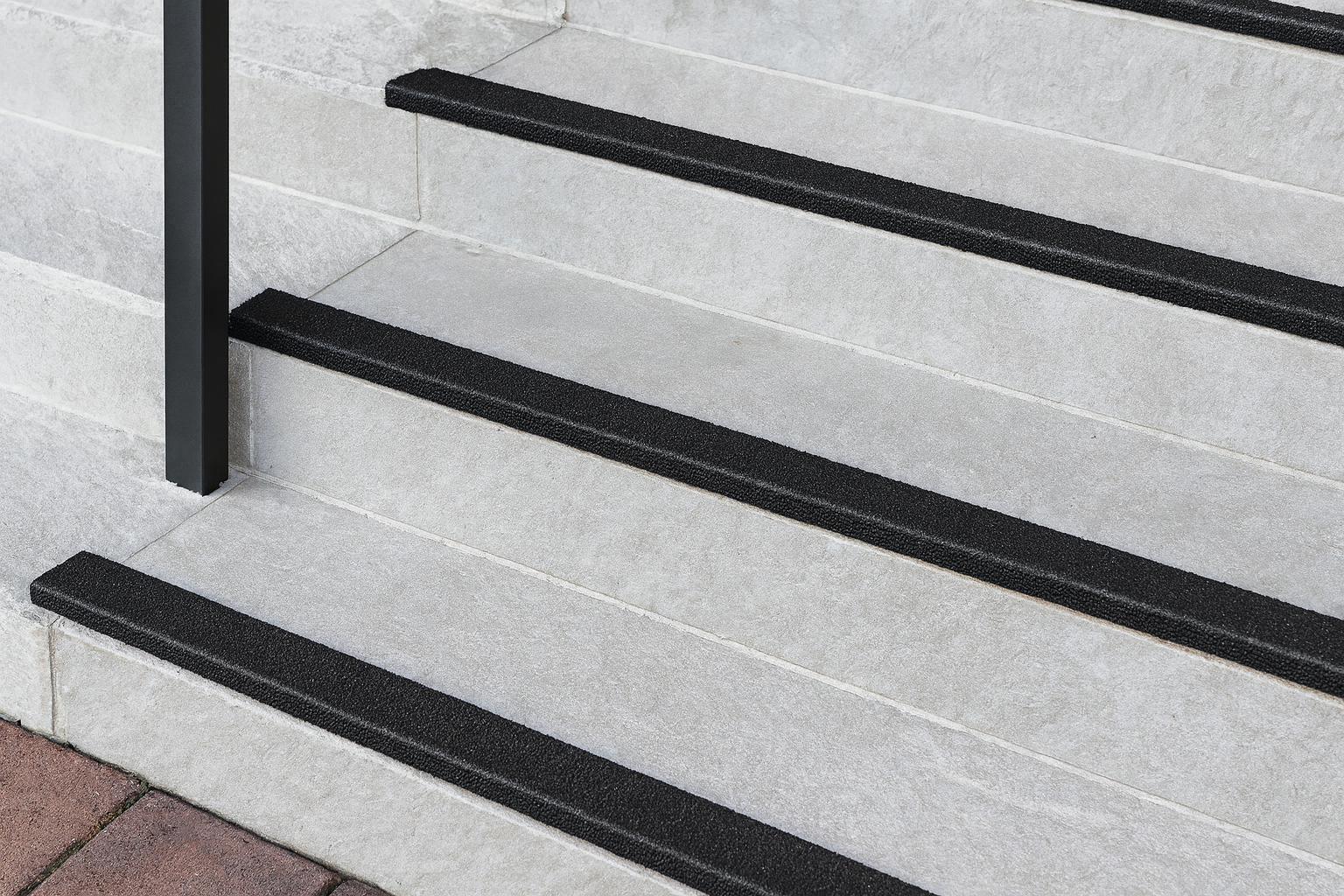
GRP grating panel UK solutions are revolutionising industrial flooring across England, Scotland, Wales, and Northern Ireland in 2026. As facilities managers and safety professionals seek durable, corrosion-resistant alternatives to traditional metal grating, fibreglass composite panels have emerged as the definitive choice for demanding environments. This comprehensive guide examines why GRP grating panels deliver superior performance, safety, and lifecycle value for UK industrial and commercial applications.
Why GRP Grating Panels Matter for UK Facilities in 2026
The shift toward GRP grating panel UK installations reflects fundamental changes in how British facilities approach flooring safety and maintenance. Traditional steel grating systems face accelerating corrosion from increasingly aggressive environmental conditions, stricter HSE safety regulations demand enhanced slip resistance, and budget pressures require solutions that minimise total cost of ownership over decades rather than years.
Glass-reinforced plastic (GRP) grating addresses these challenges through inherent material properties that metal alternatives simply cannot match. The non-corrosive fibreglass construction eliminates rust-related failures that plague steel systems throughout the UK, particularly in coastal regions, chemical processing facilities, and water treatment plants. Meanwhile, integrated anti-slip grit surfaces maintain consistent traction across all weather conditions without the degradation associated with painted or coated metal grating.
For facilities across England, Scotland, Wales, and Northern Ireland, premium GRP grating panels represent a strategic investment in operational continuity. The elimination of painting cycles, rust treatment, and premature replacement delivers measurable cost savings whilst reducing workplace disruption and maintaining compliance with evolving safety standards.
GRP Grating Panel UK vs Traditional Flooring: 2026 Performance Comparison
Understanding the performance differences between GRP grating panel UK systems and traditional materials is essential for informed specification decisions. The following comparison table presents objective data across critical performance factors:
| Performance Factor | GRP Fibreglass Grating | Galvanised Steel Grating | Aluminium Grating |
|---|---|---|---|
| Corrosion Resistance | Excellent – immune to rust, 20-30+ year life | Poor – rusts despite coating, 5-10 year life | Moderate – oxidises over time, 10-15 year life |
| Weight (kg/m²) | 15-25 kg/m² – 75% lighter than steel | 60-80 kg/m² – heavy structural loads | 25-35 kg/m² – moderate weight |
| Slip Resistance | Excellent – integrated R13 grit surface | Moderate – serrated surface only | Moderate – serrated surface only |
| Maintenance Required | Minimal – wash only, no painting | High – painting, rust treatment, replacement | Moderate – cleaning, oxidation management |
The data clearly demonstrates why GRP grating panels UK have become the preferred specification for forward-thinking facilities. The combination of superior corrosion resistance, reduced weight, enhanced safety performance, and minimal maintenance requirements delivers compelling advantages across the entire product lifecycle.
How to Choose the Right GRP Grating Panel for Your UK Application
Selecting appropriate GRP grating panel UK specifications requires careful consideration of operational requirements, environmental conditions, and loading characteristics. Follow this systematic approach to ensure optimal performance:
- Load Requirements: Determine whether the application involves pedestrian traffic only, light vehicular access, or equipment loads. Standard panels support distributed loads up to 500 kg/m² with proper support spacing, whilst heavy-duty variants accommodate higher loads.
- Support Spacing: Calculate the distance between support beams based on load requirements. Typical pedestrian applications use 300-600mm centres, whilst vehicular traffic demands closer spacing for adequate structural support.
- Environmental Exposure: Assess chemical exposure, temperature extremes, UV radiation, and moisture conditions. GRP panels excel in aggressive environments throughout England, Scotland, Wales, and Northern Ireland where metal alternatives fail rapidly.
- Slip Resistance Needs: Verify that the anti-slip grit surface meets HSE requirements for your specific application. R13-rated surfaces provide exceptional traction in wet, oily, or contaminated conditions common in industrial facilities.
- Electrical Safety: For electrical substations, switchgear rooms, or areas with live equipment, the non-conductive properties of fibreglass provide essential worker protection that metal grating cannot offer.
- Fire Rating Requirements: Confirm that fire-retardant resin formulations meet UK Building Regulations for your facility type. Class 1 fire-rated panels suit most commercial and industrial applications.
When specifying professional GRP grating panels, consult with technical specialists who can provide engineering calculations and load tables specific to your UK facility requirements.
Step-by-Step GRP Grating Panel Installation Guide
Proper installation ensures GRP grating panel UK systems deliver decades of reliable performance. Follow this professional installation sequence:
- Site Survey & Planning: Measure exact dimensions, verify support structure integrity, and plan panel layout to minimise cuts and waste. Ensure support beams are level and capable of supporting distributed loads.
- Tool Preparation: Gather standard woodworking tools including circular saw with fine-tooth carbide blade (minimum 40 teeth), electric drill with HSS bits, jigsaw, measuring tape, spirit level, and appropriate PPE (dust mask, safety glasses, gloves).
- Support Framework Preparation: Clean support surfaces removing rust and debris. Space support beams according to load requirements (typically 300-600mm centres for pedestrian traffic). Apply anti-slip tape to support beams if required.
- Panel Cutting & Shaping: Mark cutting lines clearly using permanent marker. Support panels fully during cutting to prevent vibration. Use fine-tooth saw blades at moderate speed for clean edges without delamination. Wear dust mask as GRP dust can irritate respiratory passages.
- Panel Positioning: Position panels ensuring consistent overhang on support beams (minimum 25mm bearing surface). Maintain 3-5mm expansion gaps between adjacent panels to accommodate thermal movement.
- Securing Panels: Fix using stainless steel or galvanised fixings with large-diameter washers to distribute clamping loads. Avoid over-tightening which can crush GRP material. Ensure all fixings are secure with no panel movement under load.
- Edge Finishing: Install edge trim or nosing profiles at exposed edges and platform perimeters. Ensure high-visibility safety edges align consistently. Seal panel joints with flexible sealant in wet areas where required.
- Final Inspection: Verify all panels are securely fixed, drainage falls function correctly, and slip resistance meets specifications. Document installation details for facility management records and HSE compliance.
The lightweight construction of GRP grating panels allows two-person installation teams to complete projects significantly faster than heavy metal grating systems, reducing labour costs and facility downtime.
GRP Grating Panel UK Cost Analysis: 2026 Lifecycle Value
While initial purchase costs for GRP grating panel UK systems may exceed basic galvanised steel grating, comprehensive lifecycle analysis reveals substantial long-term savings across multiple cost categories:
- Elimination of Painting Costs: Steel grating requires repainting every 3-5 years at £15-25 per square metre including labour and facility disruption. Over a 20-year period, this represents £60-125 per square metre in avoided costs.
- Reduced Replacement Frequency: GRP panels deliver 20-30+ year service life compared to 5-10 years for steel grating in corrosive UK environments. Avoiding premature replacement saves material costs, installation labour, and operational downtime.
- Lower Installation Labour: The 75% weight reduction compared to steel grating reduces manual handling requirements, allows smaller installation crews, and eliminates heavy lifting equipment needs. Typical labour savings range from 30-50% versus steel installation.
- Minimal Maintenance Expenditure: Annual maintenance costs for GRP grating average £2-5 per square metre (periodic washing only) compared to £15-30 per square metre for steel systems requiring rust treatment, painting, and repairs.
- Reduced Structural Loading: The lightweight construction may allow lighter support structures in new installations, reducing steel framework costs by 15-25% compared to heavy metal grating requirements.
- Insurance & Liability Benefits: Enhanced slip resistance and electrical insulation properties may qualify for reduced insurance premiums and lower liability exposure from workplace accidents across England, Scotland, Wales, and Northern Ireland facilities.
Total cost of ownership calculations consistently demonstrate that premium GRP grating panels deliver 40-60% lower lifecycle costs compared to traditional metal alternatives when evaluated over realistic 20-year operational periods.
Common GRP Grating Panel Mistakes to Avoid
Even experienced facilities managers can make specification and installation errors that compromise GRP grating panel UK performance. Avoid these common mistakes:
- Inadequate Support Spacing: Exceeding recommended support beam spacing causes excessive deflection and premature failure. Always follow manufacturer load tables and engineering specifications for your specific application.
- Over-Tightening Fixings: Excessive clamping force crushes GRP material and creates stress concentrations. Use torque-controlled tools and large-diameter washers to distribute loads properly.
- Ignoring Expansion Gaps: Failing to provide 3-5mm gaps between adjacent panels prevents thermal expansion, causing buckling and edge damage. Maintain consistent gaps throughout the installation.
- Using Abrasive Cleaning Methods: Wire brushes and abrasive cleaners damage the anti-slip grit surface. Use water, mild detergent, and soft brushes for routine cleaning to preserve slip resistance.
- Incorrect Panel Orientation: Installing panels with insufficient bearing surface on support beams creates failure points. Ensure minimum 25mm overhang on all support members.
- Neglecting Edge Protection: Exposed panel edges are vulnerable to impact damage. Install proper edge trim and nosing profiles at platform perimeters and step changes.
- Mixing Incompatible Materials: Using carbon steel fixings in corrosive environments defeats the corrosion resistance of GRP panels. Specify stainless steel or galvanised fixings appropriate for the operating environment.
Working with experienced suppliers of GRP grating panels UK ensures access to technical support that prevents costly specification and installation errors.
Expert Recommendations for GRP Grating Panel Applications
Based on extensive field experience across UK industrial facilities, these expert recommendations optimise GRP grating panel UK performance:
- Prioritise Fire-Retardant Formulations: For public buildings, transport infrastructure, and facilities requiring UK Building Regulations compliance, specify Class 1 fire-rated resin systems as standard.
- Specify High-Visibility Safety Edges: Factory-applied contrasting safety edges significantly reduce trip hazards and improve HSE compliance. The modest additional cost delivers substantial liability protection.
- Plan for Future Access Requirements: Design panel layouts with removable sections for access to underground services, cable trenches, and maintenance points. Individual panel replacement is straightforward with proper planning.
- Document Installation Details: Maintain comprehensive records including support spacing, fixing specifications, load ratings, and installation dates. This documentation proves invaluable for future modifications and HSE audits.
- Establish Inspection Schedules: Implement quarterly visual inspections focusing on high-traffic areas, vehicle crossing points, and locations subject to impact damage. Early detection prevents minor issues from becoming safety hazards.
- Consider Colour Coding: Different panel colours can designate specific zones, traffic routes, or hazard areas throughout England, Scotland, Wales, and Northern Ireland facilities, enhancing safety and operational efficiency.
GRP Grating Panel Maintenance Tips for Maximum Longevity
Proper maintenance ensures GRP grating panel UK installations deliver their full 20-30+ year service life potential:
- Quarterly Cleaning: Wash panels using water and mild detergent to remove accumulated dirt, oils, and contaminants. Pressure washing (maximum 100 bar) effectively cleans heavily soiled surfaces without damage.
- Seasonal Debris Removal: Remove accumulated leaves, snow, and debris that could reduce drainage efficiency or create slip hazards. GRP panels maintain traction even when frost or ice forms, unlike metal alternatives.
- Annual Fixing Inspection: Check all fixings for tightness and security. Retighten any loose fasteners and replace corroded fixings with stainless steel or galvanised alternatives appropriate for the environment.
- Damage Assessment: Inspect for cracks, chips, or excessive wear in high-traffic areas. Minor surface damage rarely affects structural integrity but should be monitored. Replace severely damaged panels promptly.
- Drainage Verification: Confirm that drainage falls function correctly and no ponding occurs. Standing water accelerates dirt accumulation and may indicate support structure settlement requiring correction.
- Chemical Exposure Monitoring: In facilities with chemical exposure, monitor panel condition for any signs of resin degradation. While GRP resists most chemicals, concentrated acids or solvents may require specific resin formulations.
Frequently Asked Questions About GRP Grating Panels UK
What load capacity do GRP grating panels support in UK applications?
Load capacity depends on panel thickness, mesh size, and support spacing. Standard GRP grating panel UK systems support pedestrian traffic and distributed loads up to 500 kg/m² with 400mm support centres. For specific load requirements including vehicular traffic or concentrated loads, consult technical specialists for engineering calculations tailored to your facility.
How do GRP panels perform in outdoor UK weather conditions?
Exceptionally well across England, Scotland, Wales, and Northern Ireland. UV-stabilised resin systems resist degradation from sunlight, whilst non-porous fibreglass construction prevents water absorption that causes freeze-thaw damage. Unlike metal grating that becomes dangerously hot in summer or freezing cold in winter, GRP maintains comfortable surface temperatures year-round.
Can GRP grating panels be used in areas with chemical exposure?
Yes – this is a primary advantage of fibreglass grating. GRP grating panel UK systems resist acids, alkalis, solvents, oils, and most industrial chemicals that rapidly corrode metal alternatives. Widely used in chemical processing, water treatment, pharmaceutical manufacturing, and agricultural facilities where chemical resistance is essential.
What are the fire safety characteristics of GRP grating?
Panels manufactured using fire-retardant polyester resin achieve Class 1 fire rating. Whilst GRP will burn under sustained flame exposure, fire-retardant formulations significantly reduce flame spread and smoke generation compared to standard resins. Suitable for most commercial and industrial applications under UK Building Regulations.
How do I cut and install GRP panels on-site?
GRP panels are easily fabricated using standard woodworking tools – no specialist equipment required. Circular saws with fine-tooth carbide blades, electric drills, and jigsaws handle all cutting and shaping operations. The lightweight construction allows two-person installation teams to complete projects quickly. Always wear appropriate PPE including dust mask when cutting fibreglass materials.
What maintenance do GRP grating panels require?
Minimal maintenance – a significant cost advantage over metal grating. Periodic washing with water or mild detergent removes accumulated dirt and contaminants. No painting, rust treatment, or protective coatings ever required. Quarterly visual inspections and prompt replacement of any damaged panels ensure decades of reliable service with minimal operational expenditure.
Are GRP panels suitable for electrical substation applications?
Absolutely – the non-conductive properties of fibreglass make GRP grating panel UK systems ideal for electrical environments. Unlike metal grating that conducts electricity and creates shock hazards, GRP provides inherent electrical insulation protecting workers in substations, switchgear rooms, transformer platforms, and areas with live electrical equipment.
Why choose GRP over traditional steel grating in 2026?
GRP delivers superior corrosion resistance (20-30+ year life vs 5-10 years for steel), 75% weight reduction, enhanced slip resistance, electrical insulation, and minimal maintenance requirements. Total cost of ownership analysis consistently shows 40-60% lower lifecycle costs compared to metal alternatives across England, Scotland, Wales, and Northern Ireland facilities.
Conclusion: Invest in Professional GRP Grating Panels for Your UK Facility
As we progress through 2026, the evidence supporting GRP grating panel UK adoption becomes increasingly compelling. Facilities across England, Scotland, Wales, and Northern Ireland are discovering that fibreglass composite grating delivers unmatched performance, safety, and lifecycle value compared to traditional metal alternatives.
The combination of corrosion-resistant construction, integrated anti-slip safety features, electrical insulation properties, and minimal maintenance requirements addresses the most pressing challenges facing modern industrial and commercial facilities. When evaluated on total cost of ownership rather than initial purchase price alone, GRP panels consistently demonstrate superior economic performance over realistic 20-30 year operational periods.
For facilities managers, safety professionals, and maintenance teams seeking flooring solutions that enhance workplace safety whilst reducing long-term operational costs, premium GRP grating panels from Price Cart UK represent a strategic investment in operational excellence.
Ready to upgrade your facility with professional-grade GRP grating panels? Order now for fast UK delivery or contact our technical team for application-specific advice and bulk project pricing. Invest in corrosion-resistant, anti-slip fibreglass flooring engineered for decades of maintenance-free performance across the harshest industrial environments.