
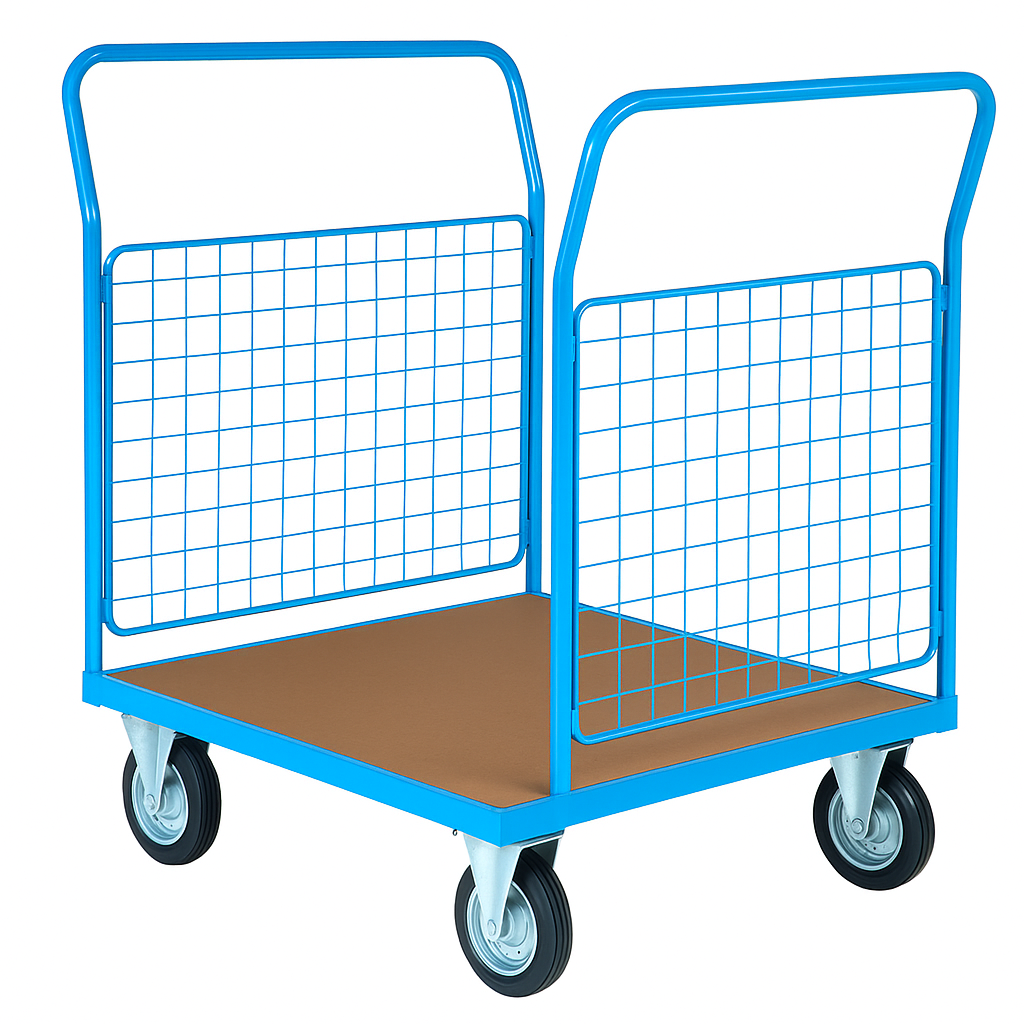
Heavy Duty Platform Trolley UK 2026: Expert Industrial Cart Guide

Heavy duty platform trolleys UK have become essential equipment for warehouses, distribution centres, and manufacturing facilities across England, Scotland, Wales, and Northern Ireland in 2026. As material handling demands intensify and workplace safety regulations tighten, selecting the right industrial platform trolley can dramatically improve operational efficiency whilst reducing manual handling injuries. This comprehensive guide examines everything UK facilities managers, warehouse operators, and procurement professionals need to know about heavy duty platform trolleys, with particular focus on 500kg capacity models that deliver professional-grade performance. Whether you're equipping a new warehouse in Manchester, upgrading material handling equipment in Glasgow, or standardising transport solutions across multiple UK sites, understanding the critical specifications, safety features, and total cost implications ensures you invest in equipment that serves your facility for years to come.
Why Heavy Duty Platform Trolleys Matter for UK Facilities in 2026
The landscape of UK material handling has evolved significantly, with 2026 bringing heightened emphasis on workplace safety compliance, operational efficiency, and equipment longevity. Heavy duty platform trolleys represent a critical investment that directly impacts productivity metrics, staff wellbeing, and bottom-line costs across industrial operations throughout the United Kingdom.
Modern UK warehouses face unprecedented pressure to process higher volumes with leaner teams, making efficient material transport absolutely essential. A quality 500kg platform trolley enables a single operator to move loads that would otherwise require multiple trips or additional personnel, directly translating to labour cost savings and faster throughput.
Health and Safety Executive (HSE) statistics consistently show manual handling injuries account for over 20% of workplace incidents across UK industrial sectors. Implementing proper material handling equipment like heavy duty platform trolleys reduces these risks substantially, protecting your workforce whilst demonstrating compliance with current UK workplace safety legislation.
The financial implications extend beyond immediate productivity gains. Premium platform trolleys built with robust steel construction and industrial-grade components deliver 10+ years of reliable service, whereas budget alternatives typically require replacement within 18-24 months. This lifecycle cost differential makes professional equipment a sound financial decision for UK facilities planning long-term operational excellence.
Heavy Duty Platform Trolley Comparison: UK Market Analysis 2026
Understanding how different platform trolley options compare helps UK procurement teams make informed decisions. This detailed comparison examines key specifications across market segments available to UK buyers in 2026:
| Feature | Premium 500kg Platform Trolley | Standard Commercial Models | Budget Alternatives |
|---|---|---|---|
| Load Capacity | 500kg heavy-duty rating | 250-350kg typical | 150-200kg maximum |
| Frame Construction | Premium steel with powder coat finish | Standard gauge steel | Lightweight alloy/thin gauge |
| Side Panel Design | 2 mesh sides with visibility & containment | Solid sides or no containment | No side protection |
| Castor Quality | Industrial-grade precision bearings | Standard commercial castors | Basic plastic wheels |
| Expected Lifespan | 10+ years under heavy use | 3-5 years moderate use | 1-2 years light use |
| UK Warranty Coverage | Comprehensive manufacturer warranty | Limited warranty terms | Minimal or no warranty |
| Typical UK Price Range | £350-£550 | £180-£280 | £80-£150 |
The data clearly demonstrates that whilst premium heavy duty platform trolleys command higher initial investment, the superior load capacity, extended lifespan, and reduced replacement frequency deliver substantially better total cost of ownership for UK facilities operating in demanding industrial environments.
How to Choose the Right Platform Trolley for Your UK Facility
Selecting appropriate material handling equipment requires careful assessment of your specific operational requirements, facility characteristics, and long-term business objectives. Follow this systematic evaluation framework to identify the optimal platform trolley solution for your UK operation:
Assess Your Maximum Load Requirements: Calculate the heaviest loads your team regularly transports. Include safety margin – if typical loads reach 350-400kg, specify a 500kg capacity trolley to ensure safe operation and extended component life. Underspecified equipment fails prematurely and creates safety hazards.
Evaluate Your Floor Surfaces: Examine the flooring throughout your facility's material transport routes. Smooth concrete warehouse floors suit standard industrial castors, whilst uneven surfaces, expansion joints, or outdoor areas may require larger diameter wheels or pneumatic options for reliable performance.
Consider Load Containment Needs: Determine whether your typical cargo requires side containment. Boxed goods, loose items, or materials prone to shifting benefit significantly from mesh side panels that prevent load displacement whilst maintaining operator visibility through busy UK warehouse environments.
Analyse Traffic Patterns and Space Constraints: Map your facility's material flow routes, identifying narrow aisles, tight corners, and congested areas. Platform trolley manoeuvrability becomes critical in confined spaces common to older UK warehouse buildings and multi-level facilities.
Calculate Total Cost of Ownership: Look beyond purchase price to evaluate lifecycle costs including maintenance requirements, replacement frequency, and productivity impact. A premium platform trolley costing £450 that serves 10 years outperforms a £150 budget model requiring replacement every 18 months.
Verify UK Safety Compliance: Ensure any platform trolley under consideration meets current UK workplace equipment standards and supports your Health & Safety obligations. Non-compliant equipment exposes your organisation to regulatory penalties and liability risks.
Review Supplier Support and Parts Availability: Confirm that replacement components, technical support, and warranty service are readily accessible within the UK. Equipment from overseas suppliers without UK representation can leave you stranded when maintenance issues arise.
Step-by-Step Platform Trolley Deployment Guide for UK Warehouses
Proper implementation ensures your new material handling equipment delivers maximum value from day one. Follow this proven deployment methodology used successfully across UK industrial facilities:
Step 1 - Pre-Delivery Preparation: Designate storage locations for platform trolleys when not in use. Clear pathways and identify any floor obstacles that might impede trolley movement. Brief your team about the incoming equipment and planned deployment timeline.
Step 2 - Receipt and Inspection: Upon delivery, immediately inspect the platform trolley for any transit damage. Verify frame integrity, check all welds and joints, confirm mesh side panels are securely attached, and test each castor for smooth rotation and swivel action.
Step 3 - Initial Function Testing: Before introducing the trolley into your workflow, conduct controlled testing with moderate loads (100-150kg) across your facility's floor surfaces. Verify smooth rolling, responsive steering, and stable load carrying through typical transport routes.
Step 4 - Operator Training and Familiarisation: Brief all personnel who will use the equipment on proper loading techniques, capacity limits, safe handling practices, and basic maintenance checks. Emphasise even weight distribution and maintaining clear sightlines when moving loaded trolleys.
Step 5 - Phased Integration: Introduce the new platform trolley into one operational area initially, allowing operators to develop familiarity before expanding deployment across your entire facility. Monitor performance and gather user feedback during this integration phase.
Step 6 - Performance Monitoring: Track key metrics including loads moved per shift, operator feedback, any handling incidents, and equipment condition during the first month of operation. Use this data to optimise deployment and identify any additional training needs.
Step 7 - Maintenance Schedule Establishment: Implement regular inspection and maintenance protocols from the outset. Daily visual checks, weekly cleaning, monthly castor inspection, and quarterly lubrication ensure your heavy duty platform trolley delivers reliable long-term performance across your UK facility.
Cost Analysis: Platform Trolley Investment for UK Facilities
Understanding the complete financial picture helps UK procurement teams justify equipment investments and select solutions that deliver optimal value. This comprehensive cost analysis examines both immediate and long-term financial implications:
Initial Purchase Investment: Premium 500kg platform trolleys with mesh sides typically range from £350-£550 across the UK market in 2026, with pricing variations reflecting build quality, component specifications, and supplier positioning. This represents the baseline capital expenditure for professional-grade equipment.
Delivery and Logistics Costs: Most UK suppliers include delivery within mainland Britain, though remote Scottish Highlands, Northern Ireland, and offshore locations may incur additional charges ranging from £25-£75. Confirm delivery terms during procurement to avoid unexpected costs.
Productivity Gains and Labour Savings: A single operator with a 500kg platform trolley can move loads requiring 3-4 trips with manual handling or lighter equipment. At average UK warehouse labour rates of £12-£15 per hour, the time savings typically recover equipment costs within 3-6 months of deployment.
Maintenance and Operating Costs: Quality platform trolleys require minimal ongoing expenditure – approximately £15-£25 annually for cleaning supplies and lubricants, with occasional castor replacement (£40-£60 per set) every 3-5 years depending on usage intensity and floor conditions.
Replacement Cycle Economics: Premium equipment serving 10+ years versus budget alternatives requiring replacement every 18-24 months creates dramatic lifecycle cost differences. Over a 10-year period, a £450 premium trolley costs £45 annually, whilst budget £150 models replaced five times total £750 (£75 annually) plus additional procurement and disposal costs.
Risk Mitigation Value: Preventing even a single manual handling injury delivers substantial financial benefit. HSE data indicates workplace injuries cost UK businesses an average of £8,000-£15,000 when accounting for lost productivity, investigation time, potential claims, and regulatory consequences.
Total Cost of Ownership Calculation: For a typical UK warehouse operating a premium 500kg platform trolley over 10 years: £450 purchase + £200 maintenance + £100 castor replacement = £750 total, or £75 annually. Compare this to budget alternatives at £750+ purchase costs alone over the same period, before accounting for productivity losses during equipment failures.
Common Platform Trolley Mistakes UK Facilities Make
Learning from widespread errors helps UK warehouse managers avoid costly missteps when specifying and deploying material handling equipment. These frequent mistakes compromise safety, waste budget, and reduce operational efficiency:
Underspecifying Load Capacity: Selecting trolleys with insufficient capacity for actual operational loads represents the most common and dangerous error. Equipment operated beyond rated capacity fails prematurely, creates safety hazards, and may void warranty coverage. Always specify capacity exceeding your maximum anticipated loads by 20-30% safety margin.
Prioritising Purchase Price Over Lifecycle Value: Focusing exclusively on initial cost whilst ignoring replacement frequency, maintenance requirements, and productivity impact leads to higher total expenditure. Budget equipment requiring replacement every 18 months costs substantially more over 5-10 years than premium alternatives with extended service life.
Neglecting Floor Surface Compatibility: Deploying platform trolleys with inappropriate castors for your facility's flooring creates operational frustration and accelerated wear. Smooth warehouse floors, rough concrete, expansion joints, and outdoor surfaces each require specific wheel specifications for optimal performance.
Ignoring Operator Ergonomics: Overlooking handle positioning, push/pull force requirements, and operator comfort leads to fatigue, reduced productivity, and potential repetitive strain injuries. Ergonomic design features directly impact workforce wellbeing and operational efficiency across UK facilities.
Inadequate Maintenance Protocols: Failing to implement regular inspection and maintenance schedules allows minor issues to escalate into major failures. Simple practices like weekly cleaning, monthly castor checks, and quarterly lubrication extend equipment life dramatically whilst preventing unexpected downtime.
Overlooking UK Compliance Requirements: Deploying equipment that doesn't meet UK workplace safety standards exposes organisations to regulatory penalties, insurance complications, and liability risks. Always verify compliance with current Health & Safety Executive guidelines before procurement.
Insufficient Operator Training: Assuming platform trolley operation requires no instruction leads to improper loading, unsafe handling practices, and equipment damage. Brief training on capacity limits, load distribution, and safe operation practices prevents incidents and extends equipment life.
Poor Storage Practices: Leaving platform trolleys exposed to weather, storing in damp environments, or stacking heavy items on top accelerates corrosion and structural damage. Designated dry storage areas protect your investment and ensure equipment remains ready for deployment.
Expert Recommendations for UK Warehouse Equipment 2026
Drawing on extensive experience across UK industrial sectors, these professional recommendations guide facilities managers toward optimal material handling solutions for 2026 and beyond:
Invest in Proven Quality: Premium platform trolleys from established UK suppliers deliver superior long-term value compared to imported budget alternatives. The combination of robust construction, quality components, and accessible UK support justifies the initial investment through extended service life and reliable performance.
Standardise Equipment Across Facilities: Organisations operating multiple UK sites benefit significantly from standardising on specific platform trolley models. This approach simplifies training, streamlines maintenance, enables parts inventory consolidation, and allows equipment transfer between locations as operational needs evolve.
Prioritise Mesh Side Designs: Platform trolleys with mesh side panels offer optimal balance between load containment and operator visibility. The open mesh design prevents cargo shift whilst allowing operators to see through the trolley when navigating busy warehouse environments – a critical safety feature in UK facilities with high traffic density.
Specify Industrial-Grade Castors: Castor quality dramatically impacts operational performance and equipment longevity. Industrial-grade precision bearing castors roll smoothly under heavy loads, resist wear, and maintain responsive steering throughout extended service life. This component warrants particular attention during specification.
Implement Preventive Maintenance: Establish formal inspection and maintenance schedules from initial deployment. Regular attention prevents minor issues from escalating, extends equipment life, and ensures your platform trolleys remain reliably available when needed across your UK operation.
Document Equipment Performance: Track key metrics including loads moved, operator feedback, maintenance requirements, and any incidents. This data informs future procurement decisions, identifies training needs, and demonstrates equipment ROI to senior management.
Plan for Growth: When equipping new facilities or expanding operations, specify equipment capacity that accommodates anticipated growth rather than current minimum requirements. The modest incremental cost of higher-capacity trolleys provides valuable operational flexibility as your UK business scales.
Platform Trolley Maintenance Tips for Maximum UK Service Life
Proper maintenance practices ensure your material handling equipment delivers reliable performance throughout its design life. Implement these proven protocols across your UK facility:
Daily Pre-Shift Inspection: Conduct quick visual assessment before each shift. Check for obvious damage, verify all castors rotate freely, ensure mesh sides remain securely attached, and confirm the platform surface is clear of debris. This 60-second check prevents minor issues from disrupting operations.
Weekly Cleaning Protocol: Remove accumulated dust, dirt, and residue from platform surfaces and mesh sides using damp cloth and mild detergent. Pay particular attention to castor wheels where debris accumulation impedes smooth rolling. Dry thoroughly to prevent moisture-related corrosion in UK's damp climate.
Monthly Castor Examination: Inspect each wheel for wear patterns, cracks, or damage. Check swivel bearings for smooth rotation without binding or excessive play. Remove any wrapped materials from wheel axles – plastic strapping and packaging tape commonly accumulate here. Verify all mounting bolts remain tight and secure.
Quarterly Lubrication Service: Apply appropriate lubricant to castor swivel bearings and wheel axles to maintain smooth operation and prevent premature wear. Use food-safe products in catering and food processing environments. Avoid over-lubrication which attracts dirt and debris.
Semi-Annual Load Testing: Periodically verify your platform trolley handles rated loads smoothly and safely. This practice identifies developing issues before they cause operational failures and confirms equipment remains suitable for your facility's material handling demands.
Annual Comprehensive Inspection: Conduct detailed structural assessment including all welds, joints, and frame integrity. Examine mesh panel attachments, handle mounting, and overall structural condition. Address any identified issues promptly to prevent escalation. Document inspection findings for maintenance records.
Immediate Issue Response: Never defer repairs or continue operating damaged equipment. Addressing problems immediately prevents minor issues from causing major failures, protects operator safety, and typically costs substantially less than emergency repairs or equipment replacement.
Proper Storage Practices: When not in use, store platform trolleys in designated dry areas away from extreme temperatures, moisture, and corrosive environments. Avoid outdoor storage where UK weather accelerates deterioration. Never stack heavy items on stored trolleys which can deform frames and damage components.
UK Industry Applications for Heavy Duty Platform Trolleys
Understanding sector-specific applications helps UK organisations identify how platform trolleys enhance operations across diverse industrial environments:
Warehouse and Distribution Centres: Move palletised goods, boxed inventory, and bulk materials efficiently between storage zones, picking areas, and loading docks across facilities throughout England, Scotland, Wales, and Northern Ireland. Platform trolleys streamline order fulfilment, reduce picking times, and enable single-operator handling of consolidated loads.
Manufacturing and Production Facilities: Transport raw materials, work-in-progress items, finished components, and tooling between production stations, assembly lines, and quality control areas. The 500kg capacity accommodates heavy machinery parts, bulk material containers, and consolidated production batches common in UK manufacturing environments.
Healthcare and Laboratory Settings: Move medical equipment, supplies, laboratory instruments, and bulk consumables through hospital corridors, research facilities, and NHS trust properties. The smooth-rolling castors and stable platform design suit sensitive equipment transport whilst mesh sides prevent items from falling during movement.
Retail Operations and Stockrooms: Streamline stock replenishment, manage deliveries, and organise inventory movement in retail environments from independent shops to major chain store distribution operations. Platform trolleys enable efficient back-of-house operations that keep sales floors properly stocked throughout trading hours.
Educational Institutions: Transport books, equipment, furniture, catering supplies, and maintenance materials across school campuses, university facilities, and college buildings. The versatile platform design accommodates the diverse cargo types common in UK educational settings.
Hospitality and Catering: Handle bulk food deliveries, kitchen equipment, linen supplies, and event materials in hotels, restaurants, conference centres, and catering facilities across the UK. Food-safe construction and easy-clean surfaces suit the hygiene requirements of hospitality environments.
Facilities Management and Maintenance: Carry tools, equipment, cleaning supplies, and maintenance materials throughout commercial buildings, industrial estates, and multi-site operations. Platform trolleys enable maintenance teams to transport everything needed for jobs in single trips, improving efficiency and reducing travel time.
Frequently Asked Questions About Platform Trolleys UK
What load capacity do I need for typical UK warehouse operations?
Most UK warehouses benefit from 500kg capacity platform trolleys which handle the majority of material handling tasks including palletised goods, bulk containers, and consolidated loads. This capacity provides operational flexibility whilst maintaining manageable equipment size for navigation through standard warehouse aisles and doorways.
Are mesh side panels better than solid sides for UK facilities?
Mesh sides offer superior visibility allowing operators to see through the trolley when navigating busy environments – a critical safety advantage in UK warehouses with high traffic density. The open design provides effective load containment whilst reducing overall weight compared to solid panels, and the mesh construction doesn't trap moisture in damp UK conditions.
How long should a quality platform trolley last in UK industrial use?
Premium platform trolleys with robust steel construction and industrial-grade components typically deliver 10+ years of reliable service under heavy daily use in demanding UK warehouse environments. Proper maintenance extends this lifespan further, whilst budget alternatives often require replacement within 18-24 months.
What maintenance does a platform trolley require?
Minimal maintenance keeps platform trolleys operating reliably: daily visual inspection, weekly cleaning, monthly castor checks, and quarterly lubrication. This straightforward protocol requires no specialised skills or tools, yet dramatically extends equipment life and prevents unexpected failures across your UK facility.
Can platform trolleys be used outdoors in UK weather?
Whilst primarily designed for indoor use, powder-coated steel platform trolleys withstand occasional outdoor deployment in UK weather conditions. For regular outdoor use, store equipment under cover when not in use to maximise lifespan and prevent accelerated deterioration from moisture exposure.
Are replacement parts available for platform trolleys in the UK?
Reputable UK suppliers maintain comprehensive spare parts inventory including replacement castors, wheels, and wear components. This parts availability ensures your equipment remains operational with minimal downtime, unlike imported alternatives where component sourcing can take weeks or months.
Do platform trolleys meet UK workplace safety regulations?
Quality platform trolleys from established UK suppliers are designed to comply with relevant Health & Safety Executive standards for manual handling equipment. Always verify compliance documentation during procurement to ensure equipment supports your regulatory obligations and protects your workforce.
What's the difference between commercial and industrial-grade castors?
Industrial-grade castors feature precision bearings, reinforced construction, and materials engineered for heavy loads and continuous use. They roll smoothly under maximum capacity, resist wear, and maintain performance throughout extended service life. Commercial castors use lighter construction suitable for occasional use with moderate loads but fail prematurely under demanding UK warehouse conditions.
Conclusion: Investing in Quality Platform Trolleys for UK Operations
Heavy duty platform trolleys represent essential infrastructure for UK warehouses, distribution centres, manufacturing facilities, and industrial operations in 2026. The right equipment choice delivers immediate productivity gains, reduces workplace injury risks, and provides reliable service throughout extended operational life.
As this comprehensive guide demonstrates, premium 500kg platform trolleys with mesh sides offer superior value compared to budget alternatives when evaluated on total cost of ownership, safety performance, and operational reliability. The combination of robust steel construction, industrial-grade components, and thoughtful design features justifies the initial investment through years of dependable service across demanding UK industrial environments.
For facilities managers, warehouse operators, and procurement professionals across England, Scotland, Wales, and Northern Ireland, selecting quality material handling equipment from established UK suppliers ensures you receive not just superior products, but comprehensive support, readily available parts, and expertise that understands your operational challenges.
Don't compromise your facility's efficiency, your team's safety, or your organisation's bottom line with inadequate equipment. Invest in professional-grade heavy duty platform trolleys engineered for the demands of UK industrial operations and backed by suppliers committed to your long-term success.
Ready to transform your material handling efficiency? Explore our premium Heavy Duty Platform Trolley with 2 Mesh Sides – 500kg Capacity and experience the Price Cart UK difference where professional quality meets exceptional value for UK facilities.