
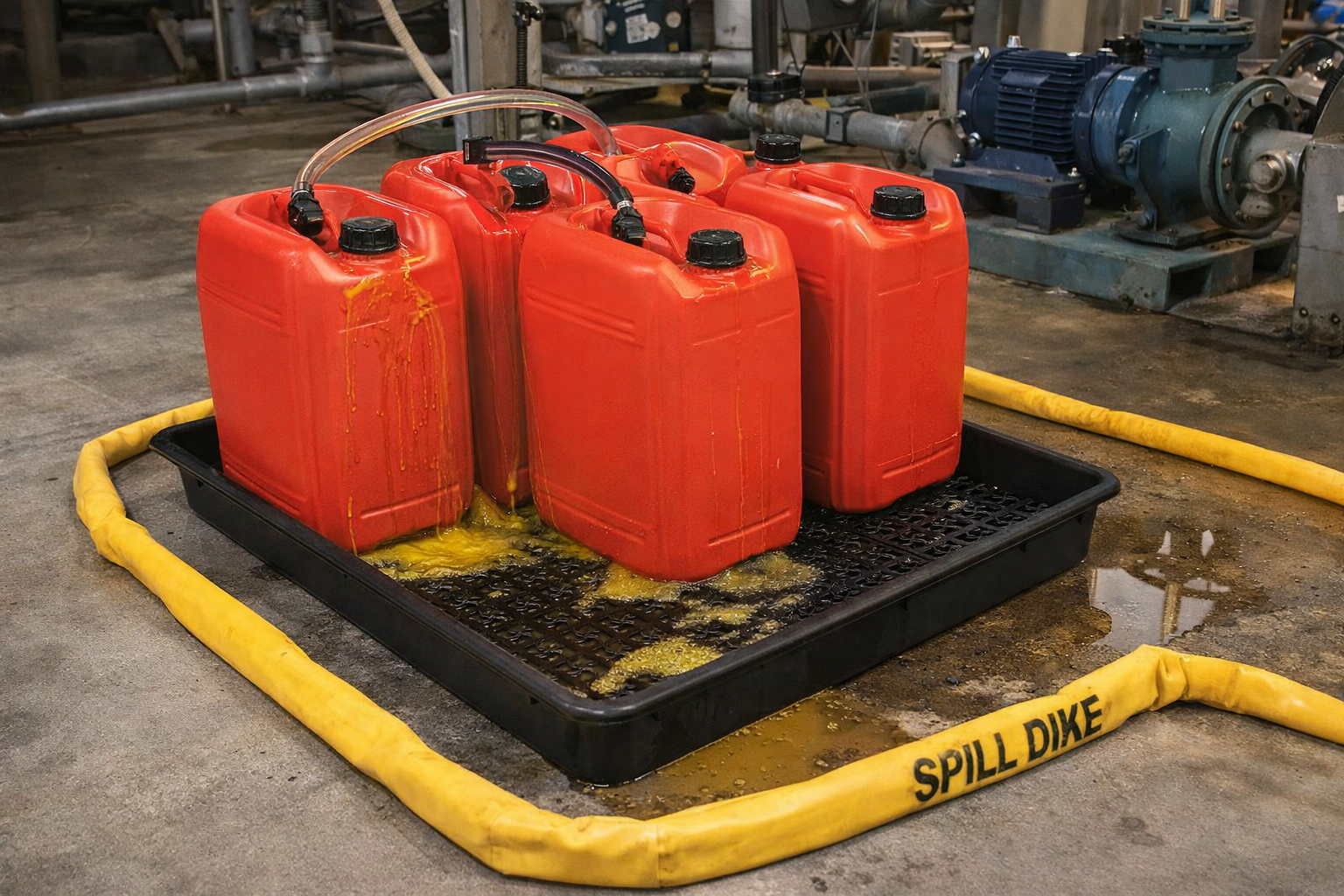
Spill Containment Tray UK 2026: Expert Guide to Professional Bund Pallets

Spill containment trays UK have become essential safety equipment for facilities across England, Scotland, Wales, and Northern Ireland in 2026, as environmental regulations tighten and workplace safety standards evolve. Whether you're managing a healthcare estate, educational institution, industrial facility, or commercial workshop, selecting the right professional spill containment solution protects your operation from costly environmental incidents, regulatory penalties, and reputational damage. This comprehensive guide examines everything UK facility managers need to know about bund pallets, from regulatory compliance and material specifications to installation best practices and long-term maintenance strategies, ensuring you make informed decisions that safeguard both your facility and the environment.
As we navigate 2026's increasingly stringent environmental protection landscape, UK facilities face mounting pressure to demonstrate robust spill prevention measures. The Control of Pollution (Oil Storage) Regulations and COSHH requirements demand more than basic containment—they require professional-grade systems engineered for reliability, durability, and complete regulatory compliance. This expert resource provides the definitive framework for understanding, selecting, and implementing spill containment solutions that meet today's demanding standards while delivering exceptional long-term value.
Why Spill Containment Trays Matter for UK Facilities in 2026
The regulatory and operational landscape surrounding hazardous liquid storage has transformed dramatically in recent years. UK facilities now face comprehensive environmental protection requirements that extend far beyond basic spill prevention. Professional spill containment trays serve as your first line of defense against environmental contamination, regulatory non-compliance, and the substantial financial consequences that follow spill incidents.
In 2026, the average cost of an environmental spill incident in the UK exceeds £45,000 when factoring in cleanup expenses, regulatory fines, operational downtime, and reputational damage. For healthcare facilities, educational institutions, and commercial properties across England, Scotland, Wales, and Northern Ireland, these incidents can trigger immediate regulatory scrutiny, insurance complications, and long-term operational restrictions. Proper containment systems eliminate these risks entirely, providing continuous protection that pays for itself many times over.
Beyond regulatory compliance, modern UK facilities recognize that environmental responsibility directly impacts stakeholder confidence, procurement decisions, and competitive positioning. Clients, inspectors, and partners increasingly evaluate facilities based on visible safety measures and documented environmental practices. Professional bund pallets demonstrate your commitment to best practices while protecting the communities and ecosystems surrounding your operations.
Key Regulatory Drivers in 2026
- Enhanced Control of Pollution Regulations: Stricter enforcement and expanded scope covering more substance types and storage scenarios across the UK
- Updated COSHH Guidelines: Comprehensive requirements for chemical storage, handling, and containment in workplace environments
- Environmental Agency Oversight: Increased inspection frequency and more rigorous compliance verification for facilities storing hazardous liquids
- Insurance Requirements: Many UK insurers now mandate documented spill prevention measures as policy conditions for facilities handling fuels and chemicals
- Duty of Care Obligations: Expanded legal responsibilities for facility managers regarding environmental protection and waste management
Spill Containment Tray Comparison: What Sets Professional Solutions Apart
Not all spill containment systems deliver equivalent protection, durability, or regulatory compliance. Understanding the critical differences between professional-grade bund pallets and standard market alternatives helps UK facility managers make informed investment decisions that protect operations long-term.
| Feature | Professional Bund Pallets | Standard Market Alternatives | Budget Options |
|---|---|---|---|
| Material Quality | Premium UV-stabilized polyethylene with chemical resistance certification | Basic plastic prone to UV degradation and chemical breakdown | Recycled materials with inconsistent performance characteristics |
| Construction Method | Seamless welded design eliminating leak points | Bolted or glued seams creating potential failure zones | Single-piece molding with thin walls and flex points |
| Load Capacity | Heavy-duty reinforced base supporting 200kg+ distributed loads | Lightweight construction with 50-100kg limits | Minimal structural support, prone to sagging |
| UK Compliance | Exceeds 110% containment requirement with documentation | May meet minimum standards without verification | Often fails to meet regulatory capacity requirements |
| Expected Lifespan | 10+ years with proper maintenance and care | 3-5 years before replacement needed | 1-2 years, frequent replacement required |
The comparison reveals why UK facilities increasingly specify professional-grade containment systems. While initial investment may appear higher, the total cost of ownership over a decade strongly favors premium spill containment solutions that deliver reliable, long-term performance without frequent replacement cycles.
How to Choose the Right Spill Containment Tray for Your UK Facility
Selecting appropriate containment systems requires careful evaluation of your facility's specific requirements, operational constraints, and regulatory obligations. This systematic approach ensures you invest in solutions that deliver optimal protection and value.
Step 1: Calculate Required Containment Capacity
UK regulations mandate containment capacity of at least 110% of your largest stored container, or 25% of total stored volume—whichever is greater. For example, storing four 200-liter drums requires minimum containment of 220 liters (110% of largest container) or 200 liters (25% of 800-liter total), meaning 220 liters is your minimum requirement. Always add safety margin beyond minimum requirements to accommodate operational realities like rainwater accumulation or multiple simultaneous containers.
Step 2: Assess Chemical Compatibility Requirements
Different containment materials offer varying resistance to specific chemicals, fuels, and aggressive substances. Premium polyethylene bund pallets resist diesel, petrol, heating oil, hydraulic fluids, motor oils, mild acids, and alkalis—covering most common industrial applications across England, Scotland, Wales, and Northern Ireland. For specialized chemicals or aggressive substances, verify compatibility with technical specifications or consult with containment specialists before purchase.
Step 3: Evaluate Environmental Exposure Conditions
Indoor and outdoor installations demand different material specifications and construction features. Outdoor containment systems in the UK require UV-stabilized construction to withstand prolonged sun exposure, temperature extremes from -20°C to +40°C, and moisture resistance for year-round weather conditions. Indoor installations may prioritize different features like low-profile access or compact footprints for space-constrained environments.
Step 4: Consider Operational Workflow Requirements
How frequently do staff access stored containers? What handling equipment is available? Low-profile designs facilitate manual container placement without heavy lifting, reducing workplace injury risk. Facilities using forklifts or pallet jacks may prioritize different access configurations. Consider your team's daily workflows when specifying containment features.
Step 5: Plan for Future Expansion Needs
Many UK facilities underestimate future storage requirements, leading to costly retrofits or inadequate containment coverage. Modular containment systems allow capacity expansion as operations grow. Consider purchasing slightly larger capacity than current needs to accommodate business growth without requiring complete system replacement.
Step-by-Step Installation Guide for Spill Containment Systems
Proper installation ensures your bund pallet system delivers optimal performance and regulatory compliance from day one. Follow this comprehensive installation protocol for professional results.
Phase 1: Site Preparation and Assessment
- Select Installation Location: Choose level, stable surfaces away from drains, watercourses, and environmentally sensitive areas. Ensure adequate clearance for container access, spill response, and emergency equipment deployment.
- Verify Surface Stability: Inspect the installation area for structural integrity. Outdoor installations benefit from concrete pads or compacted gravel bases preventing ground settlement over time.
- Clear Installation Zone: Remove debris, sharp objects, and contaminants that could damage containment tray bases or compromise structural integrity.
- Measure and Mark: Use precise measurements to position containment systems optimally within available space, accounting for access pathways and safety clearances.
Phase 2: Containment System Positioning
- Position Primary Tray: Place the spill containment tray in the designated location, ensuring it's perfectly level using a quality spirit level. Even minor slopes can cause liquid pooling or uneven weight distribution.
- Install Optional Components: Add grating, platforms, or accessories according to manufacturer specifications, ensuring secure placement and even weight distribution across the base.
- Configure Multiple Units: When using multiple trays, arrange them with adequate spacing for safe access, emergency response, and workflow efficiency. Consider container handling patterns and equipment requirements.
Phase 3: Container Placement and Final Verification
- Verify Container Integrity: Inspect all containers for damage, secure closures, and proper labeling before placement within the containment system.
- Distribute Weight Evenly: Place containers carefully, distributing weight across the base to prevent stress concentration or structural flexing. Avoid exceeding specified load capacities.
- Install Safety Signage: Label containment areas clearly with appropriate hazard warnings, emergency contact information, and substance identification as required by UK regulations.
- Conduct Final Inspection: Verify installation stability, levelness, proper containment capacity (110% of largest container), and compliance with all applicable UK environmental and safety regulations.
Cost Analysis: Investment vs. Risk for UK Facilities
Understanding the true cost of spill containment requires examining both direct investment and avoided risk exposure. This comprehensive analysis reveals why professional-grade systems deliver exceptional value for UK facilities in 2026.
Direct Investment Costs
- Professional Spill Containment Trays: £130-£450 depending on capacity, features, and construction specifications
- Installation Materials: £50-£150 for bases, leveling materials, and mounting hardware
- Safety Signage and Labeling: £25-£75 for compliant hazard warnings and identification
- Initial Inspection and Documentation: £100-£200 for professional verification and compliance records
- Total Initial Investment: £305-£875 for complete professional installation
Avoided Risk Exposure
- Environmental Cleanup Costs: £15,000-£75,000+ for soil remediation, water treatment, and waste disposal following spill incidents
- Regulatory Fines and Penalties: £5,000-£50,000+ for environmental violations across England, Scotland, Wales, and Northern Ireland
- Operational Downtime: £2,000-£10,000+ per day for facility closures during cleanup and investigation
- Insurance Premium Increases: 15-40% annual increases following environmental incidents
- Reputational Damage: Difficult to quantify but potentially devastating for client relationships and procurement opportunities
- Legal Liability Exposure: Unlimited potential costs for third-party claims and environmental damage litigation
The analysis demonstrates that even a single prevented spill incident justifies decades of containment system investment. For UK facilities storing hazardous liquids, professional spill containment represents essential risk management rather than discretionary spending.
Common Mistakes to Avoid with Spill Containment Systems
UK facility managers frequently encounter preventable issues that compromise containment effectiveness and regulatory compliance. Avoiding these common pitfalls ensures your investment delivers optimal long-term protection.
Mistake 1: Undersizing Containment Capacity
Many facilities calculate minimum regulatory requirements without accounting for operational realities. Rainwater accumulation, multiple simultaneous containers, and expansion needs quickly overwhelm undersized systems. Always specify capacity 20-30% above minimum requirements to maintain compliance under real-world conditions.
Mistake 2: Neglecting Chemical Compatibility Verification
Assuming all containment materials resist all chemicals leads to premature failure and potential environmental releases. Verify specific chemical compatibility before storing aggressive substances, particularly concentrated acids, alkalis, or specialty industrial chemicals not covered by standard polyethylene resistance profiles.
Mistake 3: Improper Installation on Unstable Surfaces
Installing containment systems on uneven, unstable, or deteriorating surfaces causes structural stress, liquid pooling, and premature failure. Invest in proper base preparation—the foundation determines long-term system performance and reliability.
Mistake 4: Ignoring Regular Inspection and Maintenance
Containment systems require ongoing inspection and maintenance to ensure continued effectiveness. Weekly visual checks, monthly detailed inspections, and prompt spill cleanup prevent small issues from becoming major failures. Establish documented inspection schedules and assign clear responsibility for maintenance tasks.
Mistake 5: Choosing Price Over Quality
Budget containment options may appear attractive initially but deliver poor long-term value through frequent replacement, compliance failures, and inadequate protection. Professional-grade systems from established UK suppliers provide documented performance, comprehensive support, and decade-long service life that budget alternatives cannot match.
Mistake 6: Failing to Document Compliance
UK regulations require documented evidence of proper containment capacity, installation procedures, and ongoing maintenance. Maintain comprehensive records including purchase documentation, installation photos, inspection logs, and spill response procedures. This documentation proves invaluable during regulatory inspections and insurance claims.
Expert Recommendations for UK Facility Managers
Drawing on extensive experience with spill containment implementations across England, Scotland, Wales, and Northern Ireland, these expert recommendations help facility managers optimize their environmental protection strategies in 2026.
Prioritize Professional-Grade Construction
Specify seamless welded construction over bolted or glued assemblies. Welded designs eliminate potential leak points that compromise containment integrity over time. The modest additional investment delivers substantially improved reliability and longevity.
Implement Comprehensive Inspection Protocols
Establish weekly visual inspections covering structural integrity, contamination buildup, and proper container placement. Monthly detailed inspections should verify chemical resistance performance, drainage function, and compliance with capacity requirements. Document all inspections with dated records and photographic evidence.
Plan for Multi-Location Inventory Management
Facilities with multiple storage locations benefit from standardized containment systems that simplify training, maintenance, and replacement part inventory. Consistent specifications across your operation reduce complexity and ensure uniform protection standards.
Invest in Staff Training and Awareness
Even the best containment systems fail without proper operational practices. Train staff on correct container placement, spill response procedures, and inspection requirements. Regular refresher training ensures consistent compliance as team members change.
Establish Relationships with UK Containment Specialists
Partner with established UK suppliers offering technical support, compliance guidance, and ongoing consultation. Suppliers like Price Cart UK provide expert assistance that extends far beyond product supply, helping you navigate regulatory changes and optimize containment strategies as your operation evolves.
Maintenance Tips for Long-Term Spill Containment Performance
Proper maintenance extends containment system lifespan while ensuring continuous regulatory compliance and environmental protection. Follow these professional maintenance protocols for optimal long-term performance.
Weekly Maintenance Tasks
- Visual Inspection: Check for cracks, damage, contamination buildup, or structural changes. Look for signs of chemical attack, UV degradation, or physical impact damage.
- Drainage Verification: Ensure proper drainage and remove accumulated rainwater or condensation to maintain full containment capacity.
- Container Security Check: Verify all stored containers remain properly sealed, stable, and correctly positioned within the containment area.
- Signage Condition: Confirm hazard warnings and identification labels remain legible and properly positioned.
Monthly Maintenance Tasks
- Detailed Structural Inspection: Examine welded seams, corners, and high-stress areas for early signs of wear or degradation.
- Chemical Resistance Assessment: Evaluate surfaces for discoloration, softening, or other indicators of chemical attack requiring intervention.
- Load Distribution Review: Verify weight remains evenly distributed and within specified capacity limits.
- Documentation Update: Record inspection findings, maintenance actions, and any concerns requiring follow-up in your compliance documentation system.
Annual Maintenance Tasks
- Comprehensive Professional Inspection: Consider third-party verification of containment integrity, capacity compliance, and regulatory conformance.
- UV Exposure Assessment: For outdoor installations, evaluate UV-exposed surfaces for degradation requiring protective measures or replacement planning.
- Capacity Verification: Confirm containment capacity still meets or exceeds 110% requirement as storage configurations change.
- Emergency Response Drill: Test spill response procedures and verify staff familiarity with containment system operation and cleanup protocols.
Cleaning and Decontamination Procedures
Clean spills immediately using appropriate absorbent materials compatible with the spilled substance. Wash containment surfaces with mild detergent and water, avoiding abrasive cleaners that damage protective coatings. For chemical contamination, use compatible cleaning agents and dispose of waste according to UK hazardous waste regulations. Never use high-pressure washing that could damage seams or structural components.
Applications Across UK Industries and Sectors
Professional spill containment solutions serve diverse applications across England, Scotland, Wales, and Northern Ireland. Understanding sector-specific requirements helps facility managers optimize their containment strategies.
Healthcare Facilities and Hospitals
Healthcare estates require compliant storage for cleaning chemicals, disinfectants, medical waste fluids, and maintenance supplies. Containment systems must accommodate frequent access, support infection control protocols, and maintain professional appearance in patient-facing areas. Low-profile designs reduce manual handling risks for healthcare staff while ensuring full regulatory compliance.
Educational Institutions
Schools, colleges, and universities across the UK store science laboratory chemicals, maintenance supplies, and grounds-keeping equipment fuels. Containment systems must balance robust protection with accessibility for varied staff skill levels. Clear labeling and intuitive design support safe operation by diverse personnel including teachers, maintenance staff, and contractors.
Industrial and Manufacturing Operations
Production facilities handle hydraulic oils, lubricants, process chemicals, and machinery maintenance fluids. Heavy-duty containment systems must support high-capacity storage, frequent access cycles, and exposure to aggressive industrial substances. Reinforced construction and premium chemical resistance ensure reliable performance in demanding manufacturing environments.
Commercial Workshops and Vehicle Maintenance
Automotive repair facilities, fleet depots, and commercial garages require containment for oil changes, fuel storage, and automotive fluid handling. Containment systems must accommodate varied container sizes, support frequent workflow access, and maintain professional appearance for customer-facing operations.
Agricultural and Rural Operations
Farms across England, Scotland, Wales, and Northern Ireland store pesticides, herbicides, diesel, and agricultural chemicals requiring environmental protection. Outdoor-rated containment systems must withstand rural exposure conditions while providing reliable protection for sensitive agricultural environments and water sources.
Frequently Asked Questions About Spill Containment Trays UK
What size spill containment tray do I need for UK regulatory compliance in 2026?
UK regulations require containment capacity of at least 110% of your largest stored container, or 25% of total stored volume—whichever is greater. For example, storing a 200-liter drum requires minimum 220-liter containment capacity. We recommend adding 20-30% safety margin beyond minimum requirements to accommodate rainwater accumulation and operational flexibility. Contact containment specialists for capacity calculations specific to your storage configuration.
Can professional bund pallets withstand outdoor conditions across the UK?
Yes, premium spill containment trays feature UV-stabilized polyethylene construction specifically engineered for outdoor use throughout England, Scotland, Wales, and Northern Ireland. They resist temperature extremes from -20°C to +40°C, prolonged sun exposure, rainfall, and moisture without degrading or losing containment integrity. UV stabilization prevents the brittleness and cracking that affects non-stabilized materials exposed to UK weather conditions.
What chemicals and fuels are compatible with polyethylene containment systems?
Premium polyethylene bund pallets resist diesel, petrol, heating oil, hydraulic fluids, motor oils, mild acids, alkalis, and most common industrial chemicals used across UK facilities. They provide excellent protection for typical workshop, maintenance, and industrial storage applications. For concentrated acids, aggressive alkalis, or specialty chemicals, verify specific compatibility with technical specifications or consult containment specialists before use.
How often should I inspect and maintain spill containment equipment?
Implement weekly visual inspections checking for damage, contamination, and proper drainage. Conduct monthly detailed inspections verifying structural integrity and chemical resistance performance. Annual professional inspections provide third-party verification of continued compliance and performance. Clean spills immediately and document all inspections in your compliance records. Regular maintenance extends system lifespan while ensuring continuous regulatory compliance.
Are spill containment trays suitable for healthcare and educational facilities?
Absolutely. Professional containment solutions are ideal for hospitals, care homes, schools, colleges, and universities throughout the UK. They provide compliant storage for cleaning chemicals, laboratory reagents, maintenance supplies, and other hazardous liquids commonly used in these environments. Low-profile designs reduce manual handling risks while maintaining professional appearance appropriate for institutional settings.
What's the expected lifespan of professional-grade spill containment systems?
With proper maintenance and appropriate use, premium bund pallets typically deliver 10+ years of reliable service. UV-stabilized construction and chemical-resistant materials ensure long-term performance that far exceeds budget alternatives requiring replacement every 2-3 years. The extended lifespan delivers superior total cost of ownership despite higher initial investment.
Do you provide nationwide UK delivery for spill containment equipment?
Yes, established UK suppliers provide comprehensive delivery coverage to England, Scotland, Wales, and Northern Ireland. Bulk orders for contractors and facilities managers receive dedicated shipping support including coordinated delivery scheduling and logistics coordination. Contact suppliers for delivery timescales and options specific to your location and order requirements.
How do spill containment requirements differ between indoor and outdoor installations?
Outdoor installations require UV-stabilized materials, weather-resistant construction, and drainage provisions for rainwater management. Indoor installations may prioritize compact footprints, low-profile access, and aesthetic considerations for customer-facing areas. Both applications demand the same 110% containment capacity and chemical compatibility, but environmental exposure determines specific material and construction specifications.
Conclusion: Protecting UK Facilities with Professional Spill Containment
As environmental regulations intensify and workplace safety standards evolve throughout 2026, UK facilities across England, Scotland, Wales, and Northern Ireland require robust, reliable spill containment solutions that deliver comprehensive protection and regulatory compliance. Professional-grade bund pallets represent essential risk management infrastructure—not discretionary spending—for any operation storing fuels, chemicals, or hazardous liquids.
The investment in quality containment systems pays dividends through avoided environmental incidents, regulatory compliance, insurance benefits, and stakeholder confidence. By following the expert guidance in this comprehensive resource, facility managers can select, install, and maintain spill containment solutions that protect operations for decades while demonstrating commitment to environmental responsibility and workplace safety.
Don't risk costly environmental incidents, regulatory penalties, or reputational damage. Invest in proven professional containment systems that deliver the leak-proof protection, chemical resistance, and durability your UK facility demands. Explore professional spill containment trays from Price Cart UK today and experience the difference that premium quality, expert support, and reliable performance deliver for facilities throughout England, Scotland, Wales, and Northern Ireland.
Contact our UK-based technical team for capacity calculations, chemical compatibility guidance, or bulk order pricing. We're here to help you implement compliant, effective spill containment solutions tailored to your facility's unique requirements—protecting your operation, your community, and the environment for years to come.