
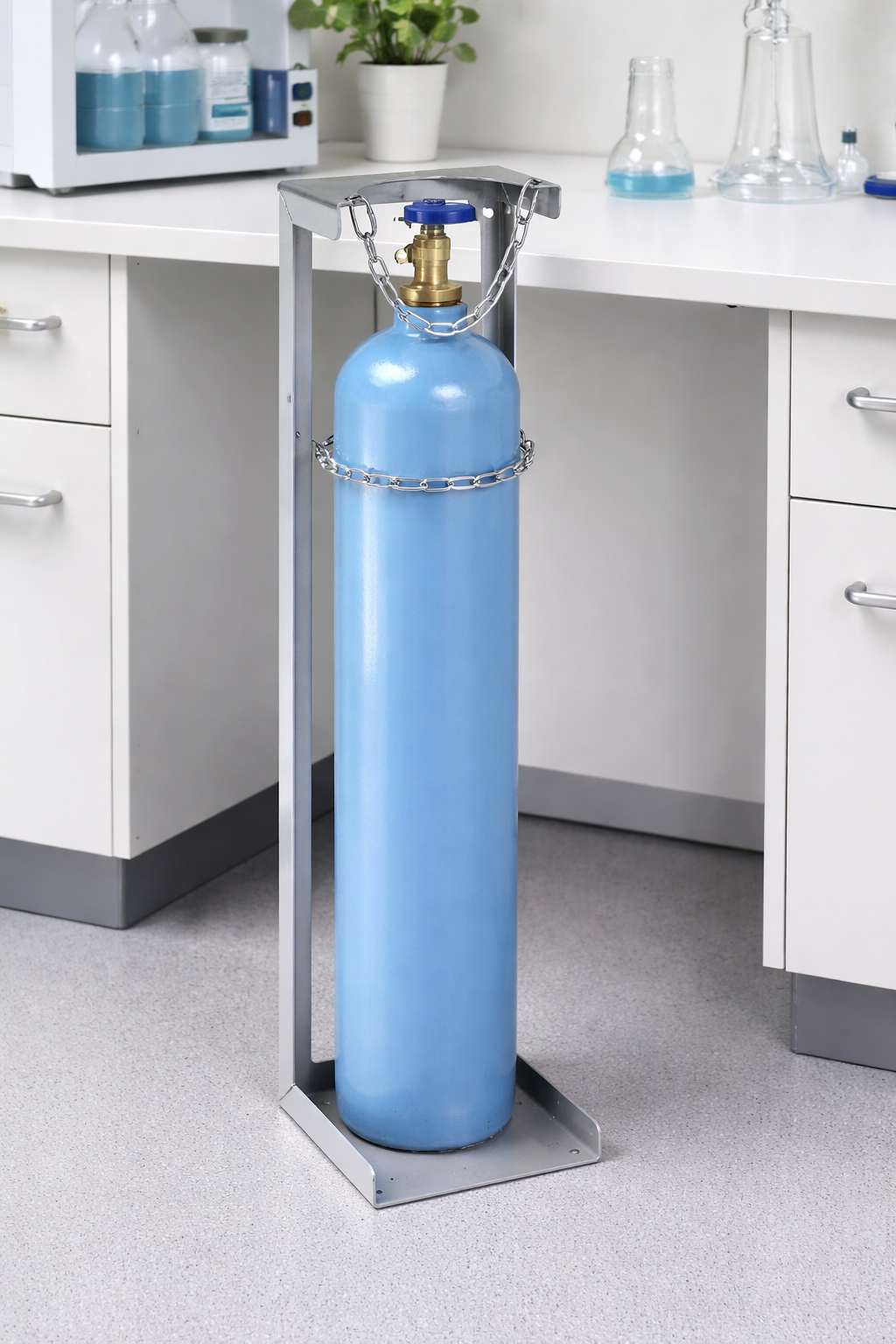
Fire Extinguisher Stand UK 2026: Expert Guide to Professional Floor Holders

Fire extinguisher stands UK facilities require in 2026 must meet stringent safety regulations whilst providing decades of reliable service. As fire safety compliance becomes increasingly critical across England, Scotland, Wales, and Northern Ireland, facilities managers face the challenge of selecting professional-grade equipment that balances regulatory requirements with long-term durability. This comprehensive guide examines everything you need to know about fire extinguisher stands, from compliance standards to installation best practices, helping you make informed decisions that protect lives, property, and your organisation's regulatory standing.
Whether you're equipping a healthcare facility in Manchester, an educational institution in Edinburgh, a commercial property in Cardiff, or an industrial site in Belfast, understanding the critical differences between professional-grade and standard fire extinguisher holders can mean the difference between decades of reliable service and costly replacements. In 2026, UK facilities demand more than basic compliance – they require fire safety solutions engineered for the rigours of high-traffic environments, extreme weather conditions, and evolving regulatory frameworks.
Why Fire Extinguisher Stands Matter for UK Facilities in 2026
Fire safety compliance in the UK has evolved significantly, with 2026 regulations emphasising not just the presence of fire extinguishers but their proper positioning, accessibility, and security. A professional fire extinguisher stand UK facilities install serves multiple critical functions beyond simple storage.
Regulatory compliance forms the foundation of fire safety equipment selection. UK fire safety regulations mandate that extinguishers remain visible, accessible within 30 metres travel distance, and positioned at appropriate heights. Floor standing holders ensure compliance with these requirements whilst preventing common violations such as floor-level placement, obstructed access, or inadequate visibility. Facilities across England, Scotland, Wales, and Northern Ireland face substantial penalties for non-compliance, making professional-grade stands a regulatory necessity rather than an optional upgrade.
Security and theft prevention have become increasingly important considerations. The integrated retaining chain system prevents unauthorised removal whilst allowing instant emergency access – a critical balance that protects both your fire safety investment and ensures equipment availability during emergencies. Healthcare facilities, educational institutions, and public venues particularly benefit from this security feature, as it deters tampering whilst maintaining compliance with accessibility requirements.
Long-term cost efficiency represents another compelling advantage. Whilst lightweight alternatives may offer lower initial costs, their typical 3-5 year lifespan results in frequent replacements, installation disruption, and cumulative expenses that far exceed the investment in professional-grade equipment. Heavy-duty steel construction delivers 20+ years of reliable service, reducing total cost of ownership whilst ensuring continuous compliance across your facility's operational lifetime.
Understanding Fire Extinguisher Stand Types and Applications
The UK market offers various fire extinguisher stand configurations, each designed for specific applications and environments. Understanding these distinctions helps facilities managers select appropriate solutions for their unique requirements.
Floor standing holders represent the most versatile and widely deployed option across UK facilities. These freestanding units provide stable, visible positioning without wall mounting requirements, making them ideal for open areas, warehouses, loading bays, and locations where wall installation proves impractical. The heavy-duty steel fire extinguisher stand exemplifies this category, offering reinforced base plates and anti-slip pads that ensure stability even in high-traffic environments.
Wall-mounted brackets suit corridors, stairwells, and areas where floor space remains limited. Whilst these save floor space, they require suitable wall structures and may prove less visible than floor standing alternatives. Many UK facilities combine both approaches, using wall brackets in corridors and floor stands in open areas.
Mobile trolley systems serve specialised applications where fire extinguishers require frequent repositioning, such as construction sites, event venues, or large industrial facilities. These typically accommodate larger extinguisher sizes and provide wheels for easy transport.
Weather-resistant outdoor stands address the unique challenges of external positioning. Premium powder-coated finishes withstand UK weather conditions, from Scottish rainfall to coastal salt exposure, ensuring reliable performance in loading bays, external storage areas, and outdoor facilities across England, Scotland, Wales, and Northern Ireland.
Comprehensive Comparison: Professional vs Standard Fire Extinguisher Stands
Selecting between professional-grade and standard fire extinguisher stands requires understanding the substantial differences in construction, performance, and long-term value. This detailed comparison helps facilities managers make informed investment decisions.
| Feature | Professional Heavy-Duty Stand | Standard Budget Stand | Economy Plastic Stand |
|---|---|---|---|
| Construction Material | Premium heavy-duty steel with reinforced base | Lightweight steel, minimal reinforcement | Plastic composite, limited durability |
| Retaining Chain System | Integrated security chain included | Often sold separately or basic chain | No security features |
| Corrosion Resistance | Professional powder-coated finish | Basic paint, prone to chipping | Plastic degrades with UV exposure |
| Base Stability | Reinforced plate with anti-slip pads | Standard base, moderate stability | Lightweight, prone to tipping |
| Weather Resistance | Indoor/outdoor rated for UK climates | Indoor use only | Indoor use, degrades outdoors |
| Expected Lifespan | 20+ years professional use | 5-8 years before replacement | 2-3 years typical lifespan |
| Compliance Documentation | Included with every unit | Not typically provided | Not provided |
| Total Cost (10 years) | Single purchase investment | 2-3 replacement cycles | 4-5 replacement cycles |
The comparison clearly demonstrates that professional-grade stands like the heavy-duty steel fire extinguisher stand deliver superior long-term value despite higher initial investment. Facilities managers responsible for multi-site operations across the UK particularly benefit from standardising on professional-grade equipment that eliminates frequent replacement cycles and ensures consistent compliance.
How to Choose the Right Fire Extinguisher Stand for Your UK Facility
Selecting appropriate fire safety equipment requires systematic evaluation of your facility's unique requirements, operational environment, and regulatory obligations. This structured approach ensures optimal equipment selection.
Assess your facility type and traffic patterns. Healthcare facilities, educational institutions, and commercial properties experience different usage patterns that influence equipment selection. High-traffic environments demand reinforced construction and superior stability, whilst lower-traffic areas may accommodate lighter-duty options. Consider daily foot traffic, potential for accidental impacts, and whether the location experiences vehicle traffic or heavy equipment movement.
Evaluate environmental conditions. UK facilities face diverse environmental challenges from coastal salt exposure in Brighton to industrial pollution in Birmingham. Indoor-only locations may accept basic finishes, whilst outdoor or semi-outdoor positions require weather-resistant powder coating. Temperature fluctuations, moisture exposure, and UV radiation all impact long-term performance across England, Scotland, Wales, and Northern Ireland.
Determine extinguisher compatibility requirements. UK facilities typically deploy multiple extinguisher types – powder, CO2, foam, and water – in various sizes. Universal compatibility eliminates the complexity of matching specific stands to specific extinguishers, simplifying procurement and ensuring flexibility as your fire safety strategy evolves. Verify that your chosen stand accommodates all standard UK extinguisher sizes from 2kg CO2 units to 9kg powder extinguishers.
Consider security and compliance needs. Facilities serving vulnerable populations, public venues, or high-risk environments require integrated security features. Retaining chains prevent unauthorised removal whilst maintaining emergency accessibility – a critical balance for compliance. Review your fire safety audit history to identify recurring issues that appropriate equipment selection might address.
Calculate total cost of ownership. Initial purchase price represents only one component of true equipment cost. Factor in installation labour, replacement frequency, compliance documentation, and operational disruption during replacements. Professional-grade stands typically deliver 3-4 times the lifespan of budget alternatives, dramatically reducing total cost over a facility's operational lifetime.
Verify supplier credentials and support. UK fire safety regulations require proper documentation, compliance certification, and ongoing support. Select suppliers with demonstrated expertise in UK fire safety requirements, nationwide distribution capabilities, and responsive technical support for multi-site deployments.
Step-by-Step Installation Guide for Fire Extinguisher Stands
Proper installation ensures optimal performance, regulatory compliance, and long-term reliability. This comprehensive guide walks facilities managers through professional installation procedures.
Step 1: Conduct site assessment and regulatory review. Before installation, verify compliance with UK fire safety regulations regarding positioning, travel distances, and visibility requirements. Identify optimal locations within 30 metres of fire risk areas, ensuring clear sightlines and unobstructed access. Consult your facility's fire safety plan and coordinate with local fire safety officers if required. Document your site assessment for compliance records.
Step 2: Prepare installation area and gather tools. Clear the installation area of obstructions and verify floor surface integrity. Concrete floors require masonry drill bits and appropriate wall plugs, whilst other surfaces may need specialised fixings. Gather required tools including power drill, spirit level, measuring tape, spanner set, and marking pencil. Ensure adequate lighting for precise installation work.
Step 3: Position stand and mark fixing points. Place your fire extinguisher stand at the chosen location, using a spirit level to ensure vertical alignment. Mark fixing holes through the pre-drilled base plate, double-checking measurements before drilling. Verify that the positioned stand doesn't create trip hazards or obstruct emergency exits – a common compliance violation across UK facilities.
Step 4: Drill pilot holes and install fixings. Using appropriate drill bit size for your floor type, create pilot holes at marked positions. For concrete floors, drill to sufficient depth for wall plugs, typically 50-60mm. Insert wall plugs flush with floor surface, then position the stand and insert fixings. Tighten evenly in a cross-pattern to ensure uniform pressure distribution and optimal stability.
Step 5: Install fire extinguisher and adjust chain. Place your fire extinguisher into the stand, ensuring it sits securely on the base. Adjust the retaining chain to appropriate length – tight enough to prevent unauthorised removal but loose enough for instant emergency access. Test the chain mechanism several times to verify smooth operation. The extinguisher should lift out with deliberate upward motion but resist casual removal.
Step 6: Conduct final inspection and documentation. Verify stand stability by applying moderate lateral pressure – there should be no movement or flexing. Check that all fixings are tight and the extinguisher sits level. Ensure visibility from multiple approach angles and verify compliance with signage requirements. Document installation location, date, and installer details for fire safety records and compliance audits. Photograph the installation for facility management records.
Step 7: Schedule follow-up inspection. Plan a 30-day follow-up inspection to verify fixing integrity after initial settling. This proactive approach identifies any adjustment requirements before they compromise safety or compliance, particularly important in high-vibration environments or areas with temperature fluctuations common across UK facilities.
Cost Analysis: Investment vs Long-Term Value
Understanding the true cost of fire extinguisher stands requires examining total cost of ownership rather than initial purchase price alone. This analysis reveals the substantial long-term savings professional-grade equipment delivers.
Initial investment comparison. Budget fire extinguisher stands typically cost £25-45, standard steel stands range £50-85, whilst professional heavy-duty stands like the heavy-duty steel fire extinguisher stand UK facilities trust represent £95-150 investments. This initial price differential often drives purchasing decisions, yet fails to account for lifecycle costs that dramatically alter the value equation.
Replacement frequency and lifecycle costs. Budget stands typically require replacement every 2-3 years due to corrosion, structural failure, or compliance issues. Standard stands last 5-8 years before replacement becomes necessary. Professional-grade heavy-duty steel construction delivers 20+ years of reliable service. Over a 20-year facility lifecycle, budget options require 6-10 replacement cycles, standard options need 2-4 replacements, whilst professional stands require zero replacements – a dramatic difference in total expenditure.
Installation and labour costs. Each replacement cycle incurs installation labour, typically 30-45 minutes per unit at £25-40 per hour for facilities maintenance staff. Multiply this across multiple replacement cycles and dozens of stands across UK facilities, and labour costs quickly exceed equipment savings. Professional-grade stands eliminate these recurring labour expenses through superior longevity.
Compliance and audit costs. Failed fire safety audits result in remediation costs, potential fines, and operational disruption. Budget equipment increases audit failure risk through premature deterioration, inadequate security features, or non-compliant positioning. Professional-grade stands include compliance documentation and maintain regulatory standards throughout their extended lifespan, reducing audit risk and associated costs across England, Scotland, Wales, and Northern Ireland facilities.
Operational disruption and productivity impact. Replacing fire safety equipment during business hours disrupts operations, requires area cordoning, and may necessitate temporary fire watch procedures. These hidden costs compound with each replacement cycle, particularly in 24/7 facilities like healthcare institutions or manufacturing plants. Single-installation professional-grade equipment eliminates these recurring disruptions.
Total cost of ownership calculation. A typical UK facility with 20 fire extinguisher positions demonstrates the dramatic cost difference. Budget stands (£35 each, 8 replacements over 20 years) total £5,600 plus £4,800 installation labour = £10,400. Professional stands (£120 each, zero replacements) total £2,400 plus £600 initial installation = £3,000. The professional-grade approach saves £7,400 whilst delivering superior performance, compliance, and reliability.
Common Mistakes When Selecting Fire Extinguisher Stands
Facilities managers across the UK frequently encounter preventable issues stemming from equipment selection errors. Understanding these common mistakes helps avoid costly compliance failures and premature replacement.
Prioritising initial cost over lifecycle value. The most prevalent mistake involves selecting equipment based solely on purchase price without considering replacement frequency, installation labour, and compliance risk. This short-term thinking results in substantially higher total costs and recurring operational disruption. Facilities managers should calculate 10-20 year total cost of ownership rather than focusing exclusively on initial expenditure.
Ignoring environmental compatibility. Installing indoor-rated stands in semi-outdoor locations like loading bays or covered external areas accelerates corrosion and structural failure. UK weather conditions – from Scottish rainfall to coastal salt exposure – demand weather-resistant finishes for any position exposed to moisture, temperature fluctuations, or UV radiation. Verify environmental ratings before specifying equipment for each location.
Overlooking security requirements. Facilities serving public populations, educational institutions, or high-risk environments require integrated security features to prevent unauthorised removal. Stands lacking retaining chains or security mechanisms expose facilities to theft, tampering, and compliance violations. The integrated chain system on professional stands addresses this requirement without compromising emergency accessibility.
Selecting incompatible stand sizes. UK facilities typically deploy multiple extinguisher types and sizes across different risk areas. Purchasing stands compatible with only specific extinguisher sizes creates procurement complexity and limits operational flexibility. Universal compatibility eliminates these constraints, allowing facilities to adjust fire safety strategies without replacing stands.
Neglecting compliance documentation. Fire safety audits require documentation proving equipment meets UK regulatory standards. Budget suppliers rarely provide compliance certification, creating audit vulnerabilities and potential remediation costs. Professional suppliers include comprehensive documentation supporting regulatory compliance across England, Scotland, Wales, and Northern Ireland.
Underestimating stability requirements. High-traffic environments demand reinforced base plates and anti-slip features that prevent tipping from accidental impacts. Lightweight stands pose safety hazards in busy corridors, healthcare facilities, or educational institutions where accidental contact occurs regularly. The reinforced construction of professional stands eliminates this risk through superior stability engineering.
Failing to plan for multi-site standardisation. Organisations operating multiple UK facilities benefit enormously from equipment standardisation – simplified procurement, consistent compliance, streamlined maintenance, and bulk purchasing advantages. Mixing various stand types across locations increases complexity and total cost. Establish standardised specifications early to maximise these benefits.
Expert Recommendations for UK Facilities Managers
Drawing on extensive experience across healthcare, educational, commercial, and industrial facilities throughout the UK, these expert recommendations help facilities managers optimise fire safety equipment selection and deployment.
Standardise on professional-grade equipment from initial deployment. Whilst budget constraints tempt facilities toward lower-cost alternatives, the lifecycle cost analysis overwhelmingly favours professional-grade stands. Organisations should prioritise quality over quantity, potentially deploying fewer professional stands initially and expanding coverage as budget allows, rather than installing numerous budget units requiring frequent replacement.
Conduct comprehensive site surveys before procurement. Map all required fire extinguisher positions according to UK regulations, noting environmental conditions, traffic patterns, and specific compliance requirements for each location. This systematic approach ensures appropriate equipment specification and prevents costly mismatches between stand capabilities and location demands across England, Scotland, Wales, and Northern Ireland facilities.
Establish preventive maintenance schedules. Even professional-grade equipment benefits from regular inspection and maintenance. Implement quarterly visual inspections checking stand stability, chain integrity, and finish condition. Coordinate these inspections with fire extinguisher servicing to maximise efficiency and ensure comprehensive fire safety compliance.
Document everything for compliance audits. Maintain detailed records of equipment specifications, installation dates, inspection schedules, and maintenance activities. This documentation proves invaluable during fire safety audits and demonstrates your organisation's commitment to regulatory compliance. Digital documentation systems with photographic evidence provide particularly robust audit support.
Leverage bulk purchasing for multi-site deployments. Organisations operating multiple UK facilities should negotiate bulk pricing and establish preferred supplier relationships. This approach delivers cost savings, ensures consistent equipment quality, and simplifies procurement processes. The heavy-duty steel fire extinguisher stand offers excellent bulk-order support for facilities managers rolling out standardised fire safety solutions.
Plan for future regulatory changes. UK fire safety regulations continue evolving, with 2026 seeing enhanced emphasis on accessibility, security, and documentation. Selecting equipment that exceeds current minimum standards provides buffer against future regulatory changes, avoiding premature obsolescence and costly upgrades. Professional-grade stands typically incorporate features that anticipate regulatory evolution.
Prioritise supplier expertise and support. Fire safety equipment suppliers should demonstrate deep knowledge of UK regulations, provide responsive technical support, and offer nationwide distribution capabilities. Suppliers like Price Cart UK specialising in professional safety equipment bring valuable expertise to specification decisions, compliance questions, and multi-site deployment planning.
Maintenance and Care for Long-Term Performance
Professional-grade fire extinguisher stands deliver decades of reliable service when properly maintained. These systematic maintenance procedures ensure optimal performance and regulatory compliance throughout equipment lifespan.
Monthly visual inspections. Conduct brief monthly inspections checking stand stability, retaining chain integrity, and powder-coated finish condition. Verify the fire extinguisher remains properly secured and accessible. Look for signs of corrosion, structural damage, or loose fixings. Document inspection results for compliance records, noting any issues requiring remediation. This proactive approach identifies problems before they compromise safety or compliance.
Quarterly deep cleaning procedures. Every three months, perform thorough cleaning using mild detergent and water to remove dust, debris, and environmental contaminants. Pay particular attention to chain mechanisms, ensuring smooth operation. Dry all surfaces thoroughly to maintain corrosion resistance – particularly important in coastal UK locations or industrial environments with airborne contaminants. Clean stands maintain professional appearance whilst preventing premature deterioration.
Semi-annual chain maintenance. Inspect retaining chains every six months for wear, corrosion, or mechanical issues. Test chain operation by removing and replacing the fire extinguisher several times, verifying smooth movement without binding or excessive resistance. Apply light lubricant to chain links if movement becomes stiff, ensuring continued smooth operation during emergency access. Replace chains showing significant wear or damage to maintain security and compliance.
Annual compliance verification. Coordinate stand inspection with annual fire extinguisher servicing to maximise efficiency. Verify stand positioning still complies with UK regulations regarding travel distances, visibility, and accessibility. Check that compliance documentation remains current and accessible for audits. Document stand condition in fire safety records, supporting regulatory compliance across England, Scotland, Wales, and Northern Ireland facilities.
Quarterly fixing tightness checks. Verify fixing tightness every three months, particularly in high-vibration environments or areas experiencing temperature fluctuations. Re-tighten fixings if any movement is detected, ensuring continued stability and safety. This simple maintenance task prevents progressive loosening that could compromise stand stability or create safety hazards in busy UK facilities.
Environmental monitoring for outdoor installations. Stands positioned in outdoor or semi-outdoor locations require enhanced monitoring for weather-related deterioration. Inspect powder-coated finishes for chips, scratches, or corrosion, addressing any damage promptly to prevent progressive deterioration. UK weather conditions demand vigilant maintenance to ensure continued weather resistance and professional appearance.
Frequently Asked Questions About Fire Extinguisher Stands UK
What fire extinguisher sizes are compatible with professional floor stands?
Professional heavy-duty stands offer universal compatibility with all standard UK fire extinguisher sizes, including 2kg CO2, 5kg CO2, 6kg powder, and 9kg powder variants. The adjustable retaining chain system adapts to different extinguisher diameters, ensuring secure fit across your entire facility. This universal compatibility eliminates procurement complexity and provides operational flexibility as your fire safety strategy evolves across England, Scotland, Wales, and Northern Ireland locations.
Are fire extinguisher stands suitable for outdoor use in UK weather conditions?
Professional-grade stands with powder-coated finishes provide excellent weather resistance against rain, moisture, temperature fluctuations, and UV exposure common throughout the UK. The corrosion-resistant construction ensures reliable performance in both indoor corridors and outdoor loading bays, from Scottish rainfall to coastal salt exposure. However, verify specific environmental ratings before outdoor deployment, as budget stands typically lack adequate weather protection for external positioning.
Do fire extinguisher stands meet UK fire safety regulations and compliance standards?
Professional floor standing holders are designed to meet and exceed UK fire safety regulatory requirements, including positioning height, accessibility, visibility, and security standards. Quality suppliers provide compliance documentation supporting fire safety audits and regulatory inspections. The elevated positioning ensures extinguishers remain at regulation height whilst the integrated security features prevent unauthorised removal – both critical compliance requirements across UK facilities.
How difficult is fire extinguisher stand installation for facilities managers?
Installation proves straightforward for competent facilities managers or maintenance personnel with basic tools. Professional stands include pre-drilled mounting holes and all necessary fixings, with typical installations completing within 15-20 minutes per unit. The process requires standard tools including power drill, spirit level, and spanner set. Detailed installation instructions ensure proper positioning and fixing for optimal stability and compliance.
Can retaining chains be adjusted for different security requirements?
Yes, integrated retaining chains feature adjustable length accommodating different extinguisher sizes and security needs. The chain prevents unauthorised removal whilst allowing instant access during emergencies – the critical balance UK commercial facilities require. Adjustment typically involves simple chain link repositioning without tools, allowing facilities managers to optimise security levels for specific locations and risk profiles.
What is the expected lifespan of professional fire extinguisher stands?
With proper maintenance, professional-grade heavy-duty steel stands deliver 20+ years of reliable service in UK facilities. The premium construction and corrosion-resistant finish far exceed lightweight alternatives typically requiring replacement every 3-5 years. This extended lifespan dramatically reduces total cost of ownership whilst ensuring continuous compliance throughout your facility's operational lifetime across England, Scotland, Wales, and Northern Ireland.
Are professional stands stable enough for high-traffic areas?
Absolutely. Reinforced base plates with anti-slip pads ensure rock-solid stability even in the busiest UK healthcare facilities, educational institutions, and commercial environments. The heavy-duty construction prevents tipping and accidental displacement from routine impacts during daily operations. This superior stability proves essential in corridors, reception areas, and other high-traffic locations where accidental contact occurs regularly.
What maintenance do fire extinguisher stands require?
Professional stands require minimal maintenance – monthly visual inspections, quarterly cleaning, semi-annual chain checks, and annual compliance verification. This straightforward maintenance schedule ensures decades of reliable performance whilst supporting regulatory compliance. The powder-coated finish resists corrosion and wear, reducing maintenance requirements compared to painted or uncoated alternatives common in budget equipment.
Secure Your Fire Safety Compliance with Professional Equipment
Fire safety compliance in 2026 demands more than minimum regulatory adherence – it requires professional-grade equipment engineered for decades of reliable service across the demanding environments UK facilities present. From healthcare institutions in London to manufacturing plants in Glasgow, educational facilities in Cardiff to commercial properties in Belfast, the right fire extinguisher stand protects lives, property, and your organisation's regulatory standing.
The comprehensive analysis presented in this guide demonstrates that professional-grade stands deliver superior long-term value through extended lifespan, reduced replacement frequency, lower total cost of ownership, and enhanced compliance support. Whilst budget alternatives tempt with lower initial costs, the lifecycle cost analysis overwhelmingly favours quality equipment that eliminates recurring replacement cycles and operational disruption.
Facilities managers responsible for fire safety across England, Scotland, Wales, and Northern Ireland should prioritise equipment selection that balances regulatory compliance, operational durability, and long-term value. The heavy-duty steel fire extinguisher stand exemplifies this approach, combining premium construction, integrated security features, weather-resistant finishes, and universal compatibility in a professional-grade solution engineered for UK facilities.
Don't compromise on fire safety equipment that protects your people, property, and regulatory compliance. Invest in professional-grade stands that deliver decades of reliable service, eliminate recurring replacement costs, and ensure continuous compliance with evolving UK fire safety regulations. Your facility deserves fire safety solutions engineered for excellence – explore professional options today and secure your fire safety compliance for years to come.
Ready to upgrade your facility's fire safety equipment? Visit the heavy-duty steel fire extinguisher stand product page to learn more about professional-grade solutions trusted by UK facilities managers nationwide. With fast UK delivery, bulk-order support, and expert guidance, Price Cart UK helps you implement fire safety solutions that protect lives whilst ensuring regulatory compliance across all your facilities.