
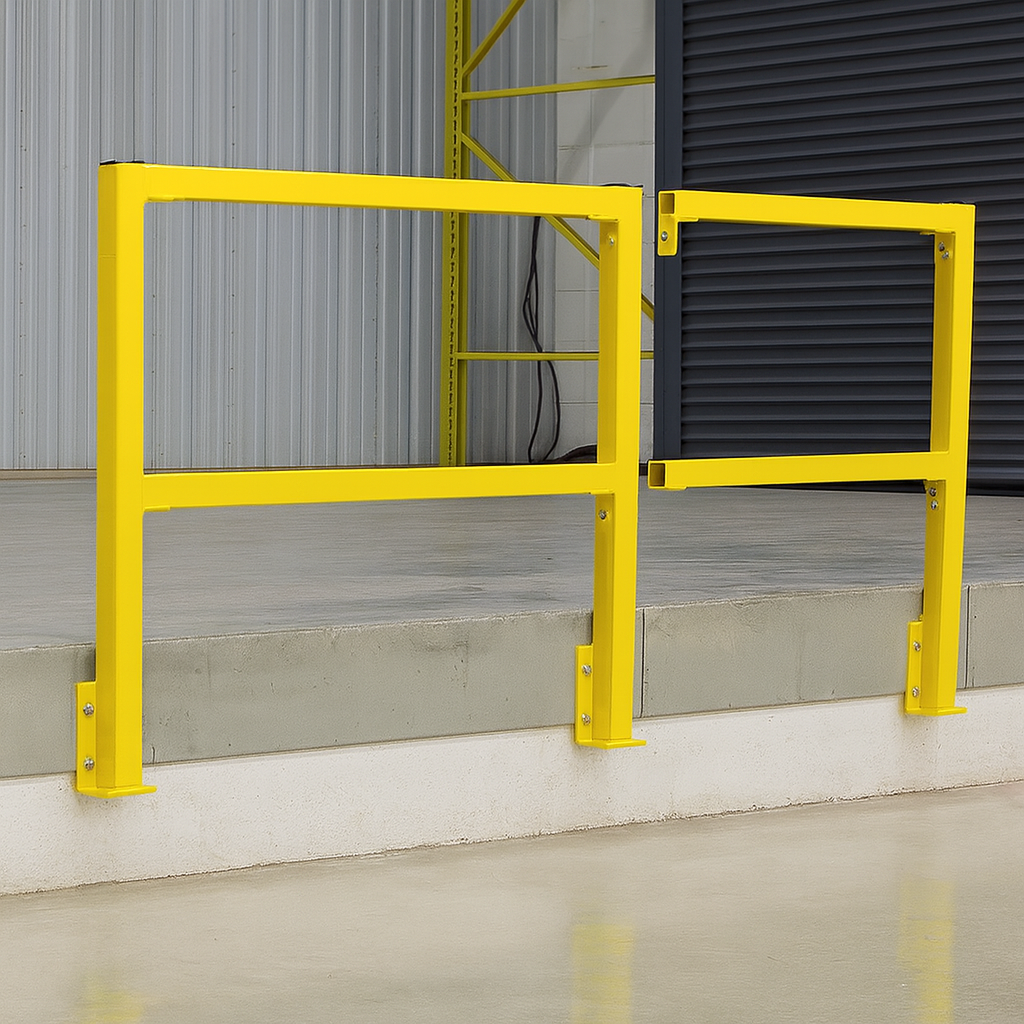
Steel Safety Barriers UK 2026: Expert Guide to Industrial Guardrail Protection

Steel safety barriers UK installations have become the cornerstone of workplace protection in 2026, with facilities managers across England, Scotland, Wales, and Northern Ireland prioritising robust guardrail systems that meet evolving HSE standards. As industrial safety regulations tighten and workplace accident costs soar, investing in professional-grade heavy-duty steel safety barriers represents not just regulatory compliance, but a strategic commitment to protecting your workforce and assets. This comprehensive 2026 guide examines everything UK facilities need to know about selecting, installing, and maintaining industrial guardrail protection systems that deliver decades of reliable service whilst safeguarding against the £15+ billion annual cost of workplace injuries across British industry.
Why Steel Safety Barriers Matter for UK Facilities in 2026
The landscape of workplace safety in the UK has transformed dramatically, with 2026 marking a pivotal year for industrial protection standards. Steel safety barriers UK installations now face stricter compliance requirements following updated HSE guidance and increased enforcement activity across England, Scotland, Wales, and Northern Ireland.
Facilities without adequate guardrail protection face substantial risks including prosecution under the Health and Safety at Work Act, insurance premium increases averaging 40-60% following incidents, and potential unlimited fines for serious breaches. Beyond regulatory concerns, workplace accidents cost UK businesses an average of £8,500 per incident in 2026, with serious machinery-related injuries exceeding £45,000 when accounting for lost productivity, investigation costs, and reputational damage.
Modern industrial steel safety barriers deliver multi-layered protection by creating physical boundaries between pedestrians and moving machinery, preventing vehicle encroachment into restricted zones, protecting valuable equipment from impact damage, and establishing clear visual warnings through high-visibility finishes. For UK facilities operating forklifts, pallet trucks, or heavy machinery, professional guardrail systems have evolved from optional extras to essential infrastructure that directly impacts operational continuity and safety culture.
Comprehensive Comparison: Choosing the Right Safety Barrier System
Not all steel safety barriers UK suppliers offer equivalent protection levels. Understanding the critical differences between premium, standard, and budget options ensures your investment delivers genuine long-term value rather than false economy.
| Feature | Premium Heavy-Duty Barriers | Standard Barriers | Budget Options |
|---|---|---|---|
| Steel Construction | Premium structural steel, reinforced joints | Standard gauge steel | Thin gauge, minimal reinforcement |
| Impact Resistance | Heavy machinery rated (forklift impacts) | Light vehicle impacts only | Pedestrian contact only |
| Coating System | Professional powder coat + galvanization | Basic paint finish | Spray paint, no corrosion protection |
| UK Compliance | Full HSE compliance, certified | Basic standards met | Non-certified, compliance uncertain |
| Service Life | 20+ years with minimal maintenance | 8-12 years | 3-5 years before replacement |
| Modular Expansion | Fully expandable system | Limited compatibility | Fixed configuration only |
The premium heavy-duty steel safety barrier clearly outperforms alternatives across every critical metric, delivering superior protection that justifies the investment through extended service life and reduced total cost of ownership.
How to Choose Steel Safety Barriers for Your UK Facility
Selecting appropriate guardrail protection requires systematic evaluation of your facility's specific requirements, risk profile, and operational environment across England, Scotland, Wales, or Northern Ireland.
Key selection criteria include:
- Impact risk assessment: Evaluate vehicle types, speeds, and traffic density in protected areas. Forklift environments demand heavy-duty construction whilst pedestrian-only zones may accept lighter specifications.
- Environmental conditions: Outdoor installations across the UK require galvanized steel with professional powder coating to withstand coastal salt spray, industrial chemicals, or temperature extremes from Scottish winters to humid Welsh facilities.
- Height requirements: UK regulations typically mandate 1000-1200mm heights depending on application. Verify your specific requirements with HSE guidance relevant to your industry sector.
- Modular flexibility: Future-proof your investment by selecting expandable systems that accommodate facility layout changes, operational growth, or equipment relocations without complete replacement.
- Compliance documentation: Ensure suppliers provide certification demonstrating compliance with British safety standards, impact testing results, and installation specifications for regulatory audits.
- Installation requirements: Assess floor substrate suitability, fixing methods, and installation complexity. Professional systems with pre-drilled components reduce labour costs and installation time.
- Maintenance accessibility: Consider long-term upkeep requirements including coating durability, replacement part availability, and inspection accessibility for ongoing compliance.
Step-by-Step Installation Guide for Steel Safety Barriers UK
Professional installation ensures your guardrail system delivers optimal protection whilst meeting regulatory requirements across your UK facility.
Step 1 – Comprehensive Site Assessment: Conduct detailed facility mapping identifying high-risk zones, vehicle routes, pedestrian pathways, and machinery locations. Measure areas precisely and create scaled layout plans showing barrier positions, access points, and clearance requirements. Document floor substrate type, condition, and load-bearing capacity.
Step 2 – Regulatory Compliance Review: Verify barrier specifications meet HSE requirements for your industry sector and application. Confirm height standards, impact resistance ratings, and visibility requirements. Obtain necessary approvals for floor fixings, particularly in leased facilities or buildings with structural considerations.
Step 3 – Surface Preparation: Ensure concrete floors are fully cured, level, and free from cracks, contamination, or surface defects. Clean mounting areas thoroughly removing oils, dust, and debris. Mark barrier positions using chalk lines or marking paint, verifying alignment and spacing against manufacturer specifications.
Step 4 – Base Plate Installation: Position base plates according to system design, using spirit levels to ensure horizontal alignment. Mark fixing positions accurately, then drill holes to specified depth using appropriate masonry bits. Install chemical anchors or mechanical fixings rated for expected impact loads, following manufacturer torque specifications.
Step 5 – Barrier Assembly: Attach upright posts to secured base plates, tightening all fixings to specified torque values. Install horizontal rails, intermediate supports, and any corner or end sections according to system configuration. Verify all connections are secure and components are properly aligned.
Step 6 – Quality Verification: Conduct comprehensive inspection confirming barriers are plumb, level, and meet specified heights. Test stability by applying moderate lateral pressure. Document installation with photographs, fixing specifications, and compliance certification for safety records and future audits.
Cost Analysis: Investment and Long-Term Value
Understanding the complete financial picture of steel safety barriers UK installations enables informed decision-making that balances upfront investment against long-term operational value.
Initial investment considerations for 2026:
- Barrier systems: Premium heavy-duty steel safety barriers typically range £300-450 per linear metre for complete systems including posts, rails, and fixings. The professional guardrail system offers initial units at £362 with extension units at £304, providing excellent value for modular installations.
- Installation costs: Professional installation averages £80-120 per linear metre across the UK, varying by facility complexity, floor conditions, and access constraints. DIY installation by competent maintenance teams can reduce costs by 60-70%.
- Ancillary expenses: Budget for fixings, specialist drilling equipment hire, floor repairs if needed, and potential production downtime during installation.
Long-term value calculations:
- Accident prevention savings: Each prevented workplace injury saves an average £8,500 in direct costs, with serious incidents exceeding £45,000. A single prevented accident often justifies the entire barrier investment.
- Insurance benefits: Demonstrable safety improvements can reduce liability insurance premiums by 15-25% annually, creating ongoing savings throughout England, Scotland, Wales, and Northern Ireland.
- Equipment protection: Preventing machinery damage from vehicle impacts protects assets worth thousands to hundreds of thousands of pounds, avoiding production disruption and repair costs.
- Maintenance costs: Premium systems require minimal upkeep averaging £50-100 annually per 10-metre section, whilst budget alternatives often need replacement within 3-5 years.
- Regulatory compliance: Avoiding HSE enforcement action, improvement notices, or prosecution saves substantial legal costs and protects business reputation.
Common Mistakes When Specifying Safety Barriers
UK facilities frequently encounter preventable issues when selecting and installing guardrail protection systems. Avoiding these pitfalls ensures optimal performance and compliance.
Critical errors to avoid:
- Underspecifying impact resistance: Selecting pedestrian-rated barriers for forklift environments leads to rapid failure and continued risk exposure. Always specify systems rated for actual vehicle types and speeds in your facility.
- Ignoring environmental factors: Installing indoor-rated systems outdoors across the UK results in premature corrosion and structural failure. Specify galvanized steel with professional powder coating for any outdoor or harsh environment applications.
- Inadequate fixing specifications: Using incorrect anchor types or insufficient fixing density compromises barrier integrity. Follow manufacturer specifications precisely and verify floor substrate suitability before installation.
- Neglecting future expansion: Fixed systems that cannot accommodate facility changes require complete replacement when layouts evolve. Invest in modular systems offering long-term flexibility.
- Prioritising initial cost over total cost: Budget barriers requiring replacement every 3-5 years cost significantly more over 20 years than premium systems with 20+ year service lives.
- Insufficient height specifications: Barriers below regulatory minimums fail compliance audits. Verify HSE requirements for your specific application before specifying heights.
- Poor visibility planning: Inadequate high-visibility finishes reduce warning effectiveness. Specify professional safety yellow powder coating for maximum visual impact.
Expert Recommendations for UK Industrial Facilities
Drawing on extensive experience across England, Scotland, Wales, and Northern Ireland, industry experts consistently recommend specific approaches for optimal steel safety barriers UK installations in 2026.
Professional best practices include:
- Conduct comprehensive risk assessments: Map all vehicle routes, pedestrian pathways, and high-risk zones before specifying barrier locations. Involve operations teams, health and safety officers, and floor staff in planning to capture practical insights.
- Specify modular systems: Invest in expandable configurations that accommodate future facility changes without complete replacement. The flexibility justifies marginally higher initial costs through extended utility.
- Prioritise compliance documentation: Select suppliers providing comprehensive certification, testing results, and installation specifications. Documentation proves invaluable during HSE audits and insurance reviews.
- Plan for maintenance access: Design barrier layouts allowing easy inspection, cleaning, and repair access. Barriers blocking maintenance access often deteriorate through neglect.
- Implement regular inspection schedules: Establish weekly visual checks, monthly detailed inspections, and annual professional assessments. Documented inspection records demonstrate ongoing compliance commitment.
- Train staff on barrier purpose: Ensure all personnel understand barrier functions, respect protected zones, and report damage immediately. Safety culture reinforces physical protection measures.
- Consider whole-life costs: Evaluate 20-year total cost of ownership including installation, maintenance, and replacement rather than focusing solely on initial purchase price.
Maintenance and Inspection Best Practices
Systematic maintenance ensures your steel safety barriers UK installation continues delivering reliable protection whilst maintaining regulatory compliance throughout its service life.
Recommended maintenance schedule:
- Weekly visual inspections: Check for visible damage, impact marks, loose fixings, coating deterioration, or structural deformation. Look for rust spots, paint chips, or signs of vehicle contact. Document findings and address issues promptly.
- Monthly detailed examinations: Inspect all bolted connections, tightening as necessary to manufacturer specifications. Examine base plate fixings for movement, floor damage, or anchor deterioration. Verify barriers remain plumb, level, and properly aligned.
- Quarterly deep cleaning: Remove accumulated dirt, grease, oil, and debris using mild detergent and water. Avoid abrasive cleaners or wire brushes that damage powder coating. Rinse thoroughly and allow complete drying.
- Annual professional assessments: Conduct comprehensive structural evaluations including load testing where appropriate. Document condition, photograph any deterioration, and schedule repairs or component replacements as needed for continued compliance.
- Immediate damage response: Address impact damage, coating breaches, or structural deformation immediately. Replace damaged sections promptly to maintain continuous protection and prevent progressive deterioration.
- Touch-up and corrosion prevention: Apply compatible touch-up paint to minor coating damage within 48 hours to prevent corrosion initiation. Monitor touch-up areas for effectiveness and schedule professional refinishing if deterioration continues.
Frequently Asked Questions About Steel Safety Barriers UK
What are the legal requirements for safety barriers in UK workplaces in 2026?
UK safety barriers must comply with the Health and Safety at Work Act 1974, Workplace (Health, Safety and Welfare) Regulations 1992, and industry-specific HSE guidance. Minimum heights typically range from 1000-1200mm depending on application and risk assessment. Barriers must withstand expected impact loads, provide adequate visibility, and be maintained in serviceable condition. The professional steel safety barrier system meets all current UK regulatory requirements across England, Scotland, Wales, and Northern Ireland.
How do I determine the correct impact rating for my facility?
Impact rating selection depends on vehicle types, speeds, and traffic density in protected areas. Forklift environments require heavy machinery-rated barriers capable of withstanding impacts from 2-5 tonne vehicles at operational speeds. Pedestrian-only areas may accept lighter specifications. Conduct risk assessments documenting vehicle types, typical speeds, and traffic patterns, then specify barriers rated for worst-case scenarios rather than average conditions.
Can steel safety barriers be installed on uneven or damaged floors?
Barriers require level, structurally sound mounting surfaces for proper installation and performance. Uneven floors may need levelling compounds or shimming to achieve proper alignment. Damaged concrete should be repaired before installation to ensure adequate fixing strength. Consult structural engineers for floors with significant defects, loading limitations, or unknown substrate conditions common in older UK industrial facilities.
What maintenance is required for outdoor barrier installations across the UK?
Outdoor steel safety barriers UK installations require galvanized steel construction with professional powder coating to withstand British weather conditions. Maintenance includes quarterly cleaning to remove salt, dirt, and pollutants, annual coating inspections identifying damage or deterioration, immediate touch-up of coating breaches, and five-year professional refinishing in harsh coastal or industrial environments. Premium systems with proper maintenance deliver 20+ years outdoor service across England, Scotland, Wales, and Northern Ireland.
How quickly can safety barriers be installed in an operational facility?
Installation timeframes vary by system complexity, facility size, and floor conditions. Typical modular sections can be installed by two competent persons at 8-12 linear metres per day. Large installations may require phased approaches minimizing operational disruption. Pre-drilled systems with chemical anchors offer fastest installation, whilst custom configurations or difficult floor substrates extend timelines. Plan installations during low-activity periods or scheduled shutdowns where possible.
Are there grants or funding available for safety barrier installations in 2026?
Some UK regions offer workplace safety improvement grants through local enterprise partnerships, sector-specific schemes, or HSE initiatives. Scotland, Wales, and Northern Ireland maintain distinct funding programmes supporting safety infrastructure investments. Contact your regional business support organization, industry trade association, or HSE office for current funding opportunities. Many facilities also leverage capital allowances and tax relief for qualifying safety equipment investments.
What happens if a barrier is damaged by vehicle impact?
Impact damage requires immediate assessment and response. Minor cosmetic damage may need only touch-up painting, whilst structural deformation demands immediate section replacement. Document all impacts with photographs, incident reports, and damage assessments. Investigate root causes including driver training needs, visibility improvements, or layout modifications preventing recurrence. Premium modular systems allow rapid section replacement minimizing downtime and maintaining continuous protection.
Can existing barrier systems be expanded or reconfigured?
Modular barrier systems support easy expansion and reconfiguration as facility needs evolve. Additional sections integrate seamlessly with existing installations when using compatible systems from the same manufacturer. Non-modular or budget barriers often lack expansion capability, requiring complete replacement for layout changes. This flexibility makes modular systems like the professional heavy-duty steel safety barrier ideal for growing or evolving UK facilities.
Conclusion: Protecting Your UK Facility in 2026 and Beyond
Steel safety barriers UK installations represent critical infrastructure protecting workforces, equipment, and business continuity across England, Scotland, Wales, and Northern Ireland. As regulatory requirements intensify and workplace safety costs escalate in 2026, investing in professional-grade guardrail systems delivers measurable returns through accident prevention, insurance savings, and regulatory compliance.
The evidence overwhelmingly supports specifying premium heavy-duty systems over budget alternatives. Superior construction, extended service life, modular flexibility, and comprehensive compliance documentation justify initial investment through decades of reliable protection and reduced total cost of ownership.
Don't compromise on workplace safety with inadequate protection that exposes your facility to preventable risks, regulatory action, and financial losses. The professional steel safety barrier system delivers the robust, compliant, and durable protection your UK facility deserves.
Take action today to enhance your facility's safety standards. Invest in proven guardrail protection that safeguards your workforce, protects valuable assets, and demonstrates your commitment to professional safety excellence. Join hundreds of UK facilities that trust premium steel safety barriers for industrial protection that exceeds expectations and delivers lasting value.
Explore our heavy-duty steel safety barrier system now and secure the professional protection your facility needs for 2026 and beyond.